Feast Of St Blaise: What Is Free During Dubrovnik's Festival
The Feast of St Blaise on 3 February is Dubrovnik's own festival day, and its public parts, the banner raising, the procession and the saint's church, cost nothing to watch or enter. This guide sets out exactly what is free, what still charges, what closes, and which free GuruWalk walks tell the story.
In Short
The Feast of St Blaise falls on 3 February. The banner raising, the procession through the Old Town and entry to St Blaise church are free. Dubrovnik Museums close completely on the feast day, the City Walls ticket in early February is EUR 20 adult and EUR 5 for children 7 to 18, and no Dubrovnik Pass is on sale in winter. Free English-language walking tours on GuruWalk run from Pile Gate, Ploče Gate, Orlando's Column and the Amerling Fountain.
The Feast of St Blaise is the one date on the calendar when Dubrovnik celebrates itself. Every 3 February the city marks its patron saint with a banner raising and a procession, and the parts a visitor can actually experience from the street cost nothing. This guide is part of the Free Things To Do In Dubrovnik collection and covers only the free side of the festival, plus the honest picture of what still charges in early February.
It sits alongside the wider Dubrovnik in winter guide, which covers the season around the feast, and if a free walk is how you want to meet the Old Town first, the question of how much to tip on a free walking tour has its own answer.
Quick Facts
| Question | Answer |
|---|---|
| When is the Feast of St Blaise? | 3 February each year |
| Is the procession free to watch? | Yes, the banner raising, procession and church are free |
| Is St Blaise church free to enter? | Open for sightseeing outside services, no fee |
| Do museums close on the feast day? | Yes, Dubrovnik Museums are closed on the Feast of St Blaise |
| City Walls ticket in early February | EUR 20 adult, EUR 5 child 7 to 18, children under 7 free |
| Is the Dubrovnik Pass on sale in winter? | No, no winter pass is on sale |
| Free walks that explain the story | English-language free walks on GuruWalk, pay what you want |
Who Was St Blaise And Why Is He Dubrovnik's Patron?
St Blaise is the patron saint of Dubrovnik, honoured every 3 February with a city festival that has been marked for centuries, and his story is woven through the Old Town's churches and squares. The feast day itself, with its banner raising, procession and open church, is the largest free dated event in Dubrovnik's winter calendar. Understanding who the saint is explains why an entire city stops for a day.
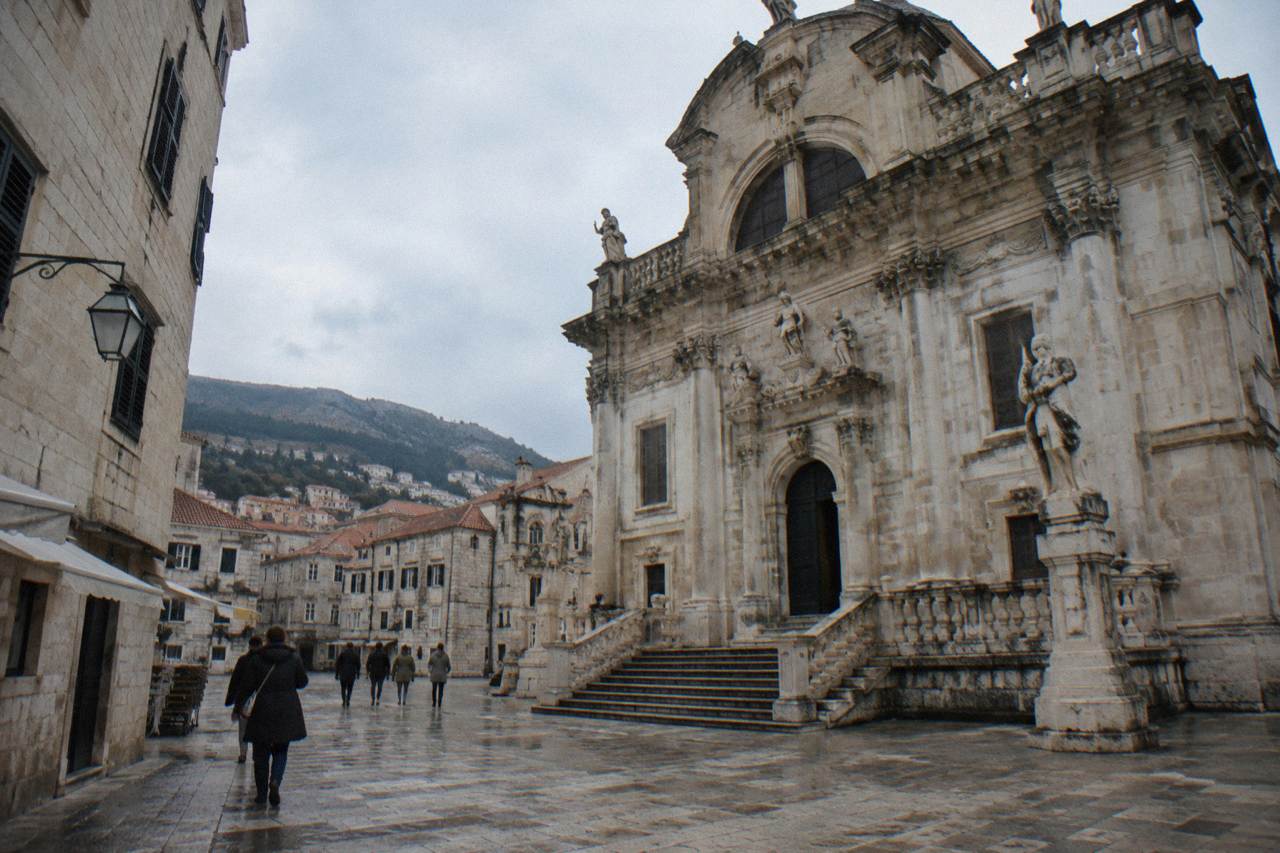
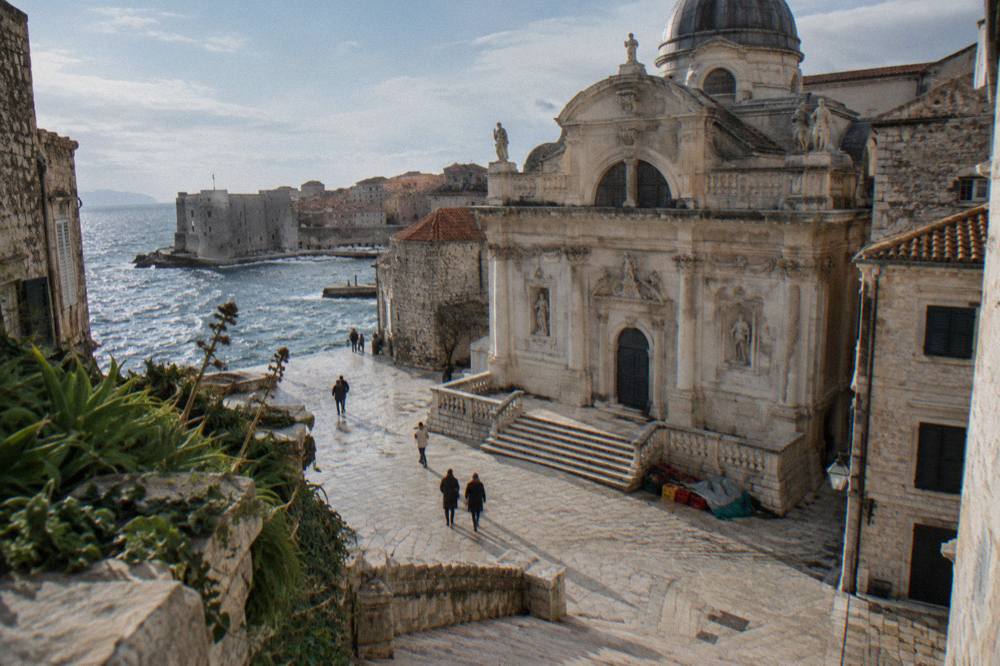
The saint at the centre of the festival is a physician and bishop from the early Christian era whose cult took hold in this part of the Adriatic. In Dubrovnik his image is everywhere a visitor looks: on the city's coins and seals historically, on the altar of the baroque church that carries his name on Luža Square, and in the hands of statues that watch over the main street. The annual feast on 3 February is the day all of that devotion concentrates into a single public celebration.
The festival's free public parts are what matter to a visitor on a budget. The banner raising opens the festivities, the procession moves through the Old Town, and the church of St Blaise itself is open for sightseeing outside services with no fee. None of these carries a ticket, a wristband or a viewing charge. The city's own information channels carry the programme each year, and the City of Dubrovnik's official site publishes the civic calendar the feast sits inside.
What the feast is not is a generic winter festival. It is a religious and civic holiday rooted in the city's identity, and the reason the museums shut and the tone of the Old Town changes for a day. Visitors who arrive expecting a market or a fireworks display miss the point: the procession is the event, and the procession is free to stand and watch. That combination, a major civic occasion with no entry cost anywhere in it, is rare enough in a city whose headline attractions are among the most expensive in the region.
The timing is also the quiet part of the year. Early February sits deep in the winter season, when the City Walls ticket has dropped to its lower winter price, the cable car is closed until spring, and the crowds of summer are absent. The feast gives that quiet month one loud, colourful, free day. For anyone planning the wider season, the sections below set out what happens on the morning itself, where to stand, what stays free during the festival days, and what closes.
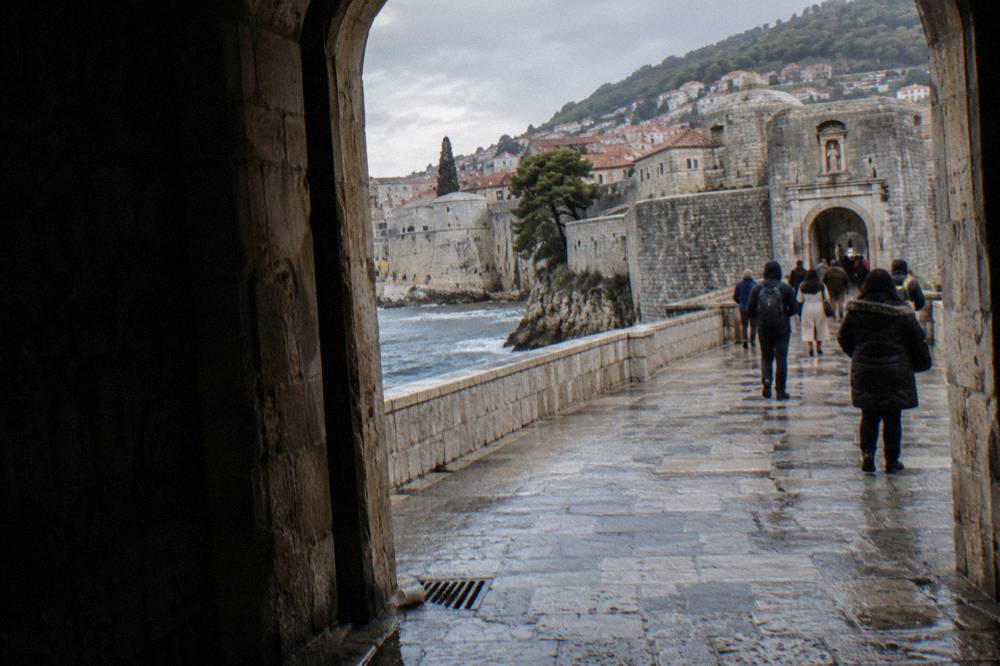
What Happens On The Morning Of 3 February?
The morning of 3 February runs from the banner raising through the procession, and both are free public events watched from the street. There is no ticket, no barrier charge and no viewing area to buy into. The procession is the centrepiece, moving through the Old Town past Luža Square, and the saint's church is open around the festival with no entry fee outside services.
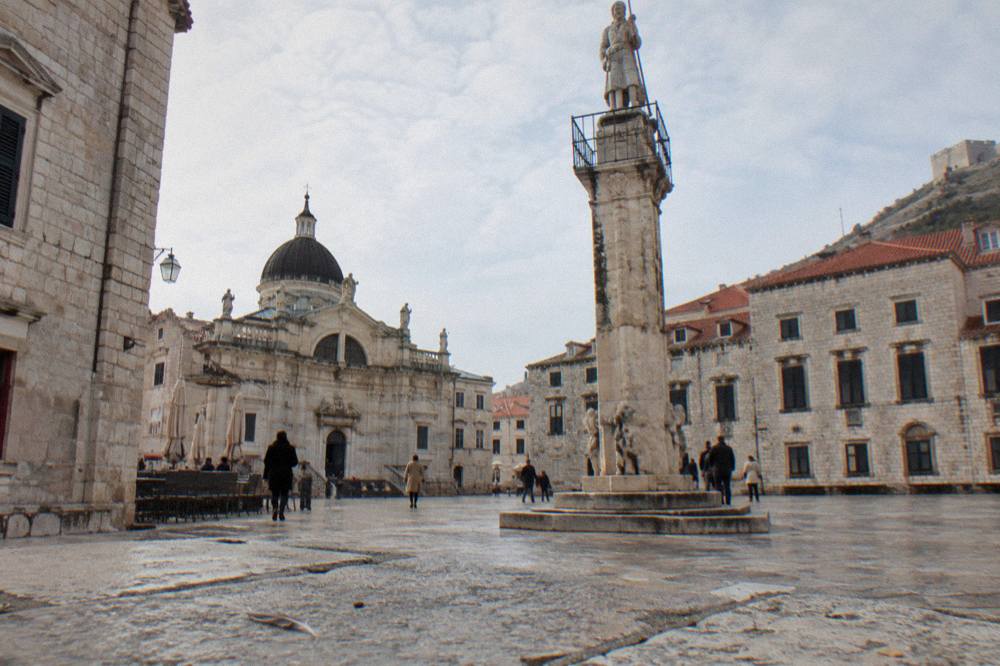
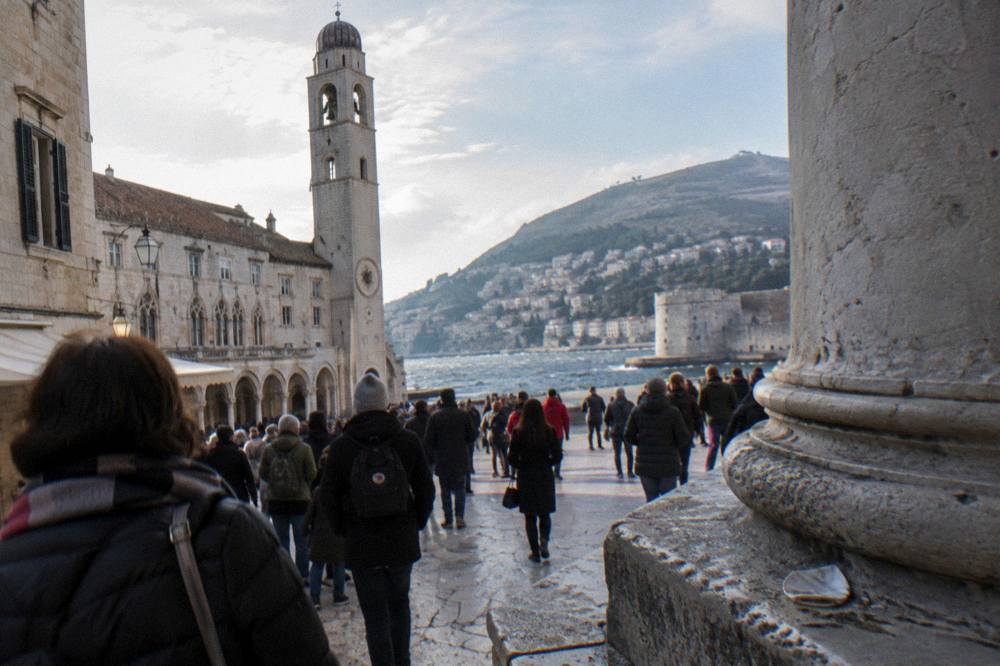
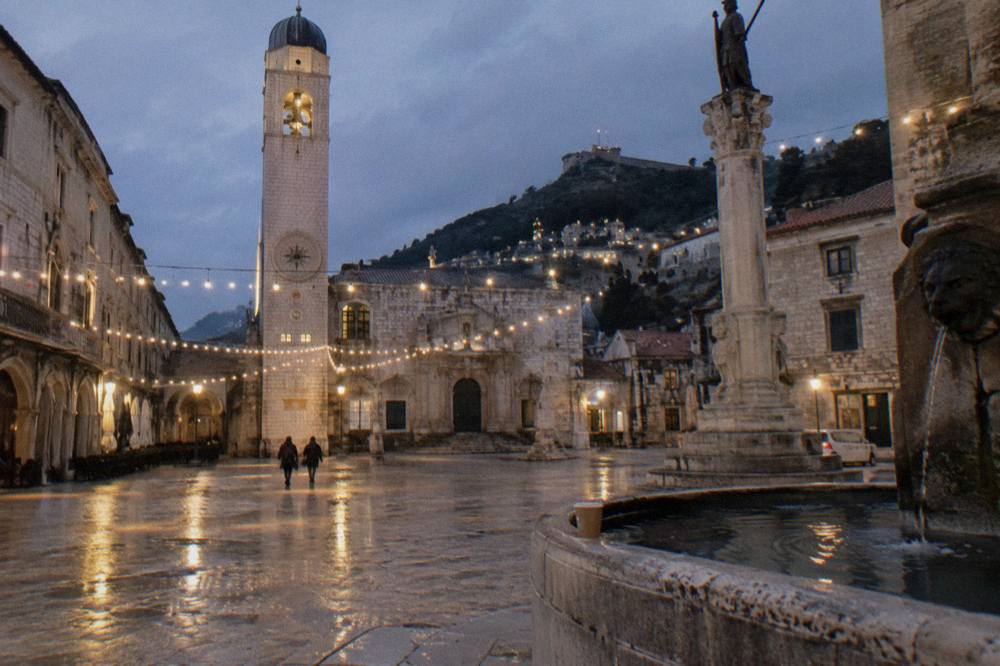
The day opens with the raising of the banner, the traditional signal that the festival has begun. From there the city moves into the procession, the part most visitors come for: a formal parade of clergy, civic representatives, banner groups and musicians that processes through the streets of the Old Town. Luža Square, the open space beside the Bell Tower, the Sponza Palace exterior and St Blaise church, is the natural heart of it, and all of these spaces are free to enter or see at any time of year.
Because the procession uses public streets, watching it costs nothing by definition. Stradun, the main limestone street, is free to walk, Pile Gate and Ploče Gate at either end are free to pass through, and the Onofrio fountains are free to see. On 3 February those same free spaces become the viewing points for the festival. A visitor with a warm coat and a spot on Stradun or Luža Square sees the procession without spending anything.
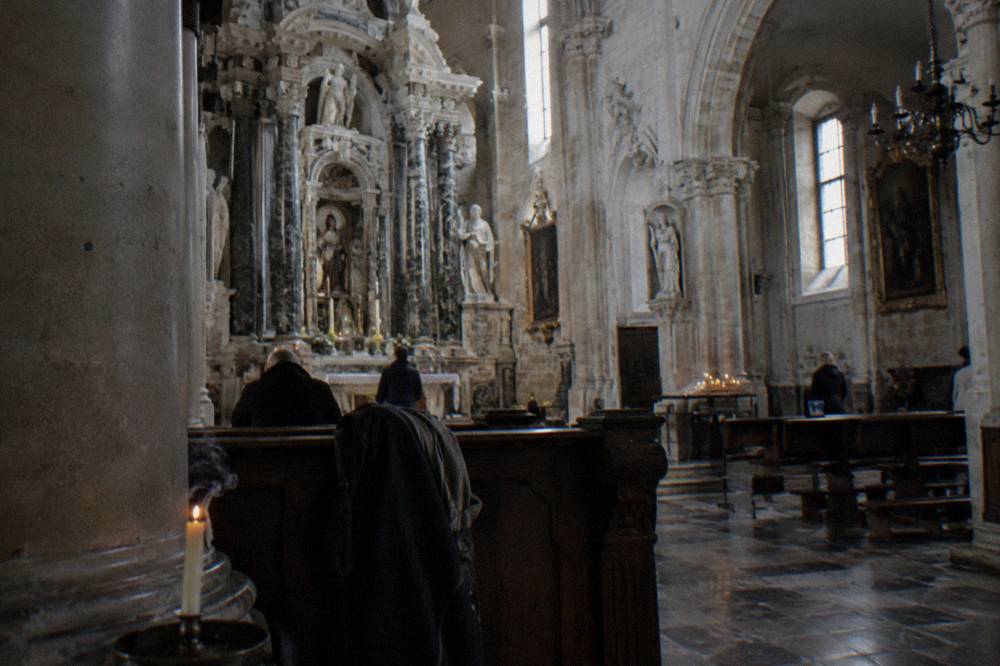
The religious core of the day is equally open. St Blaise church is open for sightseeing outside services with no fee, and the feast day services themselves are acts of worship rather than ticketed performances. The Dubrovnik Cathedral, a short distance away on the same side of the Old Town, is free to enter the church outside Mass according to visitor guides, though its Treasury is a separate ticketed room whose price is not published here. Entering the nave and standing in the square outside both cost nothing.
For visitors who want the story behind what they are watching, a free walking tour the day before or the afternoon after adds context that the procession itself does not narrate. The History and Culture, 2 Hours walk, free and pay what you want on GuruWalk, meets at Pile Gate and runs in English for 2 hours, rated 4.91 out of 5 across 837 GuruWalk reviews. Walking the same stones with a guide the day before the feast turns the procession from spectacle into a story.
All the walks above are free, pay what you want, reserved on GuruWalk, and each meets at a real landmark inside or at the edge of the Old Town: Pile Gate, Nautika Restaurant or Orlando's Column. Checking a walk's own page for its meeting point and duration before the feast morning is the practical step, since festival crowds change how the streets feel even when nothing about the walk's price changes, which is nothing at all.
Where Do You Stand To Watch The Procession?
The procession passes through the Old Town's free public spaces, so the viewing question is simply which free street or square suits you. Stradun, Luža Square, Orlando's Column and the approaches from Pile Gate and Ploče Gate are all free to stand in, and the saint's church fronts directly onto Luža Square. No paid viewing area exists for the feast.
Luža Square is the natural anchor. It is the open civic space at the eastern end of Stradun, ringed by the Bell Tower exterior, the Sponza Palace exterior and St Blaise church itself, and it is free to enter at any time. On festival days it fills with residents and visitors standing to watch the ceremonies unfold around the church doors. Because the square is a public open space rather than a venue, there is nothing to book and nothing to pay.
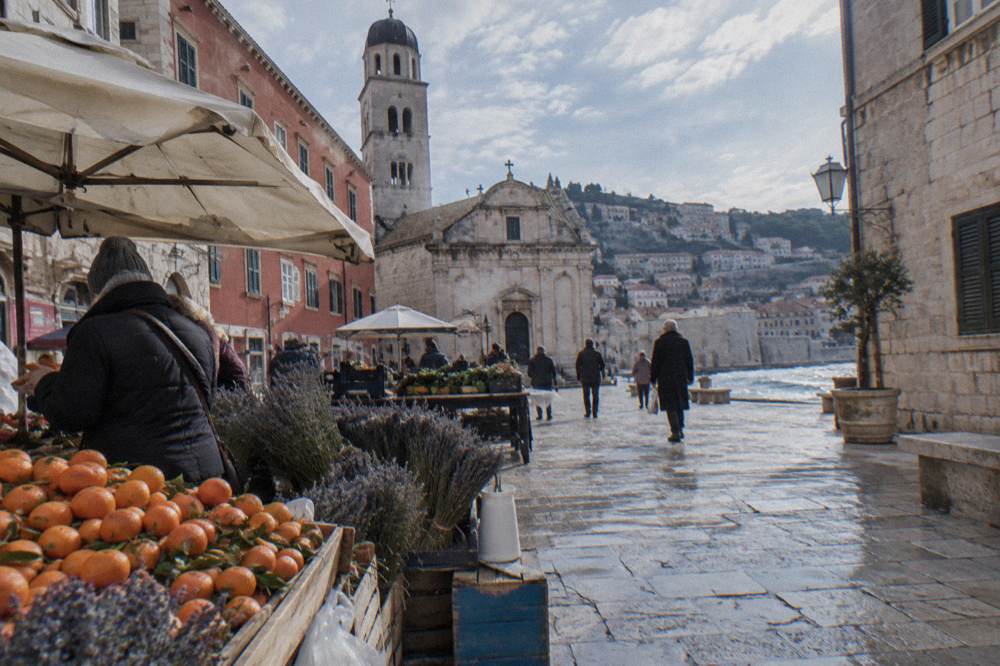
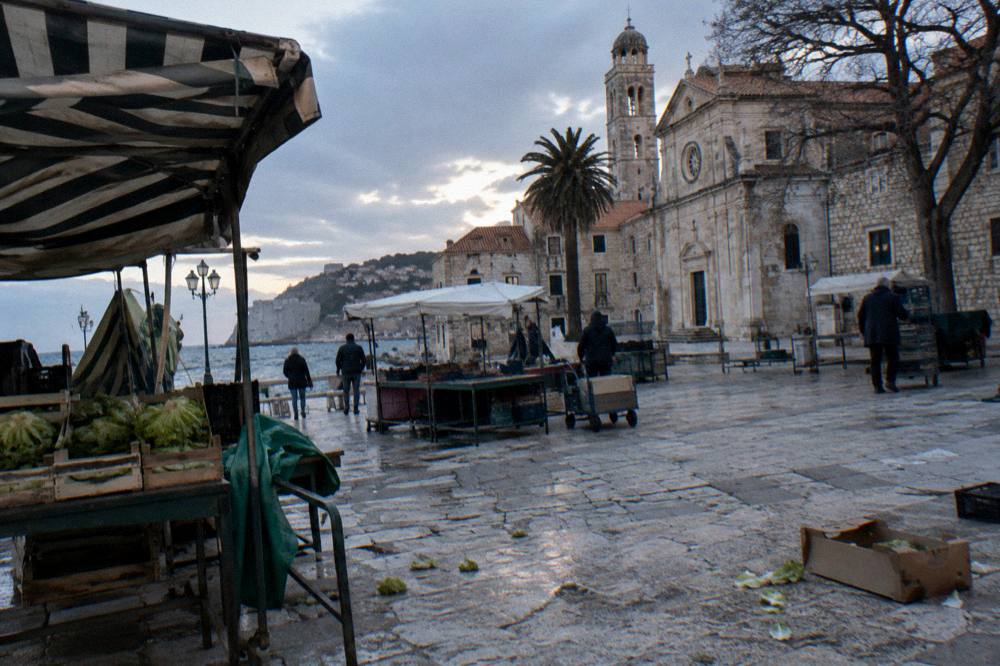
Stradun is the other main option. The city's main street runs from Pile Gate in the west to Luža Square in the east, all of it free to walk, and the procession's route through the Old Town gives the street its biggest day of the winter. Standing anywhere along its length gives a view of the parade as it passes. The side streets and the smaller squares branching off it, including Gundulić Square with its morning produce market, are also free to enter, though market purchases are paid.
The gates frame the experience at either end. Pile Gate, where a cluster of the free walking tours meet, and Ploče Gate at the eastern edge are both free to pass through, and both open onto the procession's territory. Visitors staying outside the walls can walk in through either gate on the morning without any charge. The Old Port and the Kase breakwater beyond Ploče Gate are free to see as well, if a quieter stretch of the morning is wanted after the parade has passed.
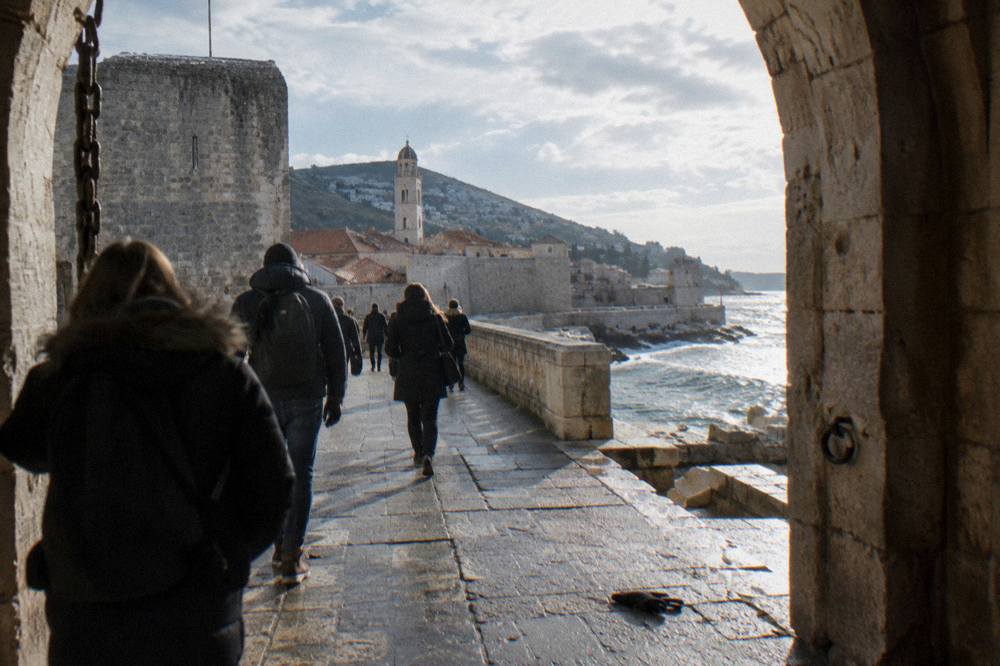
A practical note on the day itself: Dubrovnik runs a free live visitor counter for the Old Town, with six counters updated every 15 minutes and an acceptable-capacity threshold published on the site. Checking it before heading in gives a real-time sense of how full the streets are on the feast morning. The counter is free to use and requires nothing beyond a browser.
The evening before the feast is also part of the tradition, and the banner raising is likewise a free public moment. Both days sit inside the wider winter season covered in the Dubrovnik in winter free guide, which lists the other free dates around the feast, including the Night of Museums on the last Friday of January.
What Is Free During The Festival Days?
The free list during the festival days is long: the banner raising, the procession, St Blaise church, the Cathedral nave outside Mass, and every public street, gate, square and fountain in the Old Town. The paid list does not disappear: the City Walls ticket, the museums, Fort Lovrijenac and the Franciscan cloister all still charge. The feast makes nothing that normally costs money free.
| Place | Free Or Ticketed | What Is Free | What You Still Pay For |
|---|---|---|---|
| Feast of St Blaise (3 February) | Free | Banner raising, procession, musketeers, throat blessing and the church are free (guide quoting the festivity programme). UNESCO intangible heritage festivity. | Nothing. There is no ticket to buy here. |
Start with what the festival adds for nothing. The banner raising and the procession are the two additions, and they are the reason to time a visit to early February. Around them sits the permanent free layer of the Old Town: Stradun, Luža Square, Orlando's Column, the Onofrio fountains, Pile Gate, Ploče Gate, Gundulić Square and its morning produce market (browsing free, purchases paid), the Old Port, the Jesuit staircase and Gradac Park, which reopened on 16 September 2026 after its first full renovation since 1898. All of these are free to enter or see, feast day or any day.
The churches split into free and paid parts, and the split does not change for the festival. St Blaise church is open for sightseeing outside services with no fee. The Dubrovnik Cathedral is free to enter the church outside Mass per visitor guides, while its Treasury is a separate ticketed room. The Franciscan church is free to enter as a working parish church, but the cloister and the Old Pharmacy cost EUR 8, with winter hours of 9:00 to 14:00 and Sunday closures from 1 November to 1 April. The Jesuit church, the Dominican Monastery, the Synagogue Museum and the Sponza Palace interior are not published as free or paid here, and only their exteriors are described.
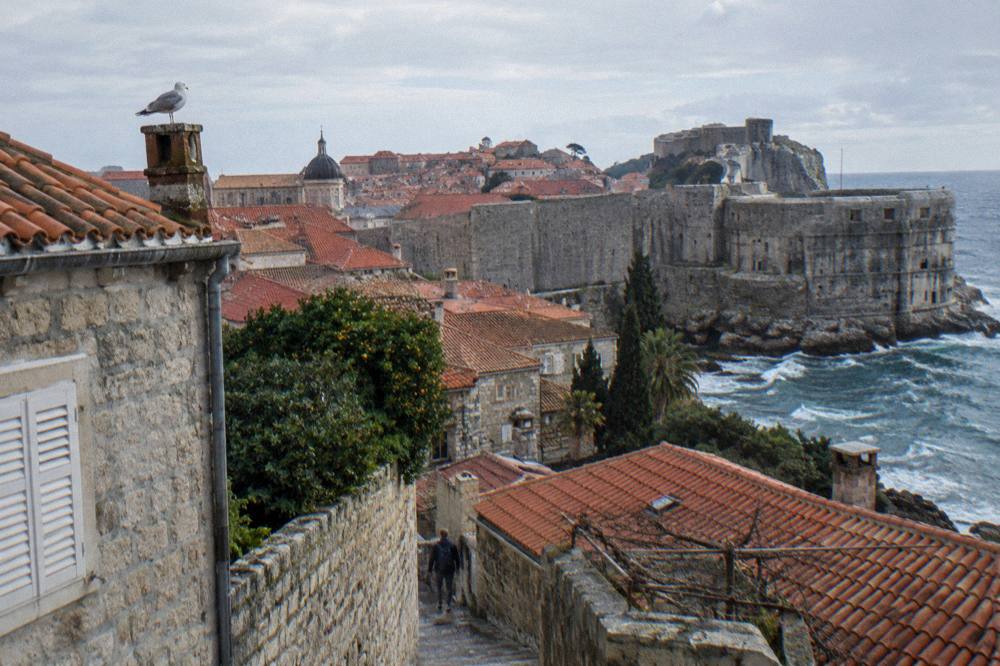
What still charges in early February is the same as what charges all winter, at winter prices. The City Walls and Fort Lovrijenac remain one ticket, adult EUR 20 and child 7 to 18 EUR 5 from 1 December through January and February, with children under 7 not paying; nothing about the walls circuit is free, and 2027 prices are not on sale. The cable car is closed December to March, and Fort Imperial at the summit of Srđ is a paid museum, while the Srđ zig-zag trail itself is free. Lokrum is EUR 30 including the return boat, charged even to those who arrive by their own boat.
| Attraction or activity | Cost during the festival days |
|---|---|
| Banner raising and procession | Free to watch |
| St Blaise church | Free outside services |
| Cathedral nave | Free to enter outside Mass |
| Franciscan cloister and Old Pharmacy | EUR 8, winter 9:00 to 14:00, closed Sundays to 1 April |
| City Walls and Fort Lovrijenac, one ticket | EUR 20 adult, EUR 5 child 7 to 18, under 7 free |
| Rector's Palace and other Dubrovnik Museums | Paid, and closed on the Feast of St Blaise |
| Free walking tours on GuruWalk | Free, pay what you want |
The museums deserve their own line in any free-versus-paid table, because the feast day is the one day they are neither free nor paid: they are shut. Dubrovnik Museums close on Christmas, New Year and the Feast of St Blaise, so the Rector's Palace at EUR 15, the Maritime Museum at EUR 10, the Ethnographic Museum at EUR 8 and Revelin at EUR 5 are simply unavailable on 3 February itself. The Dubrovnik Museums site carries the winter schedule in full.
The one genuinely free museum moment of the season sits a few days earlier: the Night of Museums on the last Friday of January, 18:00 to 1:00, when about 15 participating museums open free of charge. It is the only free museum evening of the year, and pairing it with the feast makes late January and early February the densest free-culture stretch in Dubrovnik's calendar. Beyond it, free museum entry applies only to children under 7, Dubrovnik-Neretva County residents, ICOM and HMD members and university students from October to June.
What Closes Or Changes In Early February?
The big closures in early February are the Feast of St Blaise itself, when all Dubrovnik Museums shut, the cable car, closed December to March, the Western Outer Wall, closed December to February, and War Photo Limited, closed November to March. The museums also run winter hours with a different closing day each week. The walls stay open at the winter ticket price of EUR 20.
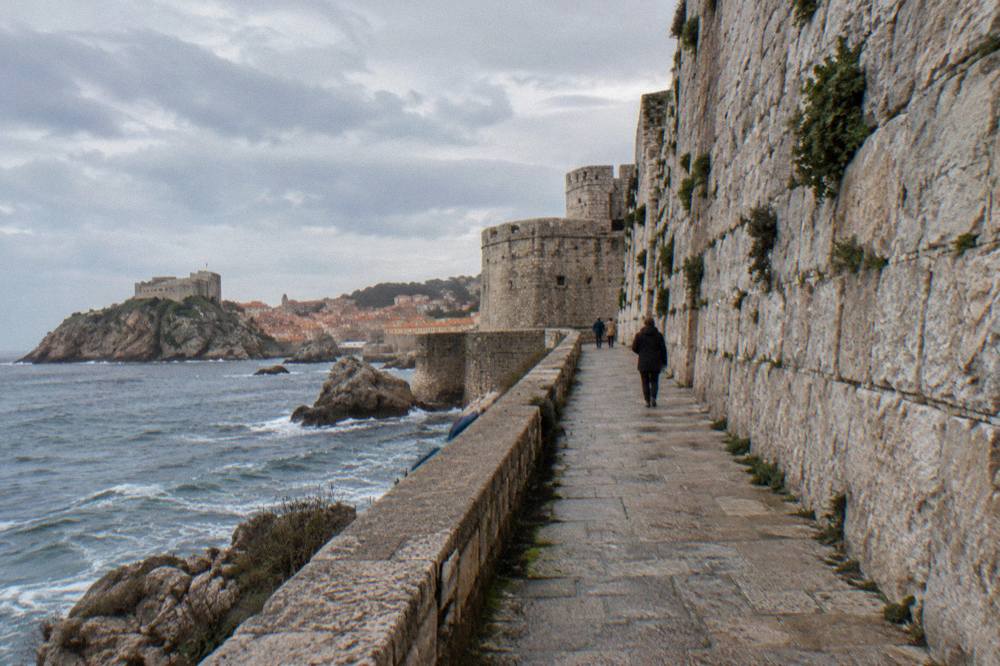
The feast day closure is the one that catches visitors out. Every Dubrovnik Museums site, Rector's Palace, Maritime, Ethnographic and Revelin, closes on 3 February along with Christmas and New Year, and all run reduced hours on 24 and 31 December, 9:00 to 12:00. In the winter schedule from 1 November to 31 March they open 9:00 to 16:00 but close on different weekdays: Rector's Palace on Monday, the Ethnographic Museum on Tuesday, the Maritime Museum and Revelin on Wednesday. Card payment only at the ticket offices.
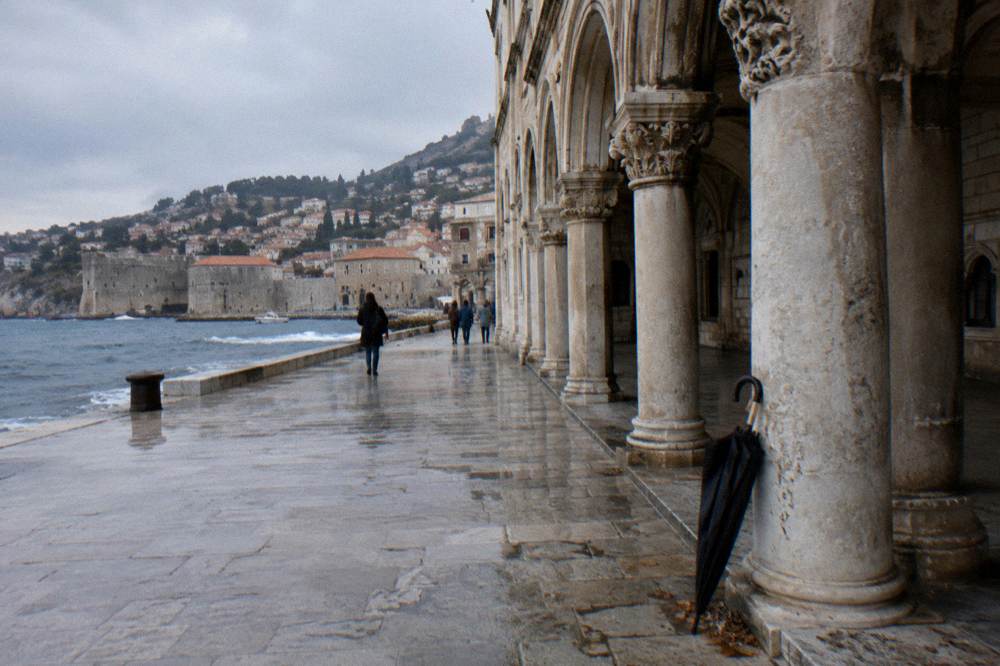
The outdoor paid layer thins out too. The cable car, EUR 30 return or EUR 17 one way in season, is closed December to March, so the free Srđ zig-zag trail is the only way up the hill in February. The Western Outer Wall is closed December to February. War Photo Limited is closed November to March and reopens in April. None of these closures is a loss to a free-things itinerary except in planning terms: they simply narrow the options to the free core of the Old Town, which is exactly where the feast happens.
| What | Status in early February |
|---|---|
| Dubrovnik Museums | Winter hours 9:00 to 16:00, closed on the Feast of St Blaise, each closes one weekday |
| City Walls and Fort Lovrijenac | Open, EUR 20 adult / EUR 5 child 7 to 18, one tour, no re-entry |
| Western Outer Wall | Closed December to February |
| Cable car to Srđ | Closed December to March |
| Srđ zig-zag trail | Free |
| War Photo Limited | Closed November to March |
| Beaches (Banje, Sveti Jakov, Danče, Bellevue) | Free to swim and lie on the public strips |
Two pricing traps change shape in winter and both matter to a February visitor. The City Walls ticket drops to EUR 20 adult from 1 December, half the EUR 40 main-season price, so a feast-week visit is the cheapest time of year to walk the circuit. The Dubrovnik Pass, which bundles the walls, ten sights and buses at EUR 40 for one day in main season, has no winter version on sale, so there is no pass arithmetic to do around the feast. The question of whether the wall ticket is cheaper in December has a full answer of its own.
The Old Town's own rules also apply on festival days. The City's public-order decision bans wheeled transport carts without soft inflated tyres in the pedestrian zones, which include the whole Old Town and the Lapad promenade; the text never uses the word suitcase. The same decision forbids walking in swimwear in the Old Town, riding bicycles or e-scooters, and climbing the city walls. None of this stops the procession, but it is why the streets stay clear for it.
Which Free Walks Explain The Saint's Story?
The free walks that fit the feast are the Old Town history walks and the local-stories walks, all on GuruWalk, all free with pay what you want, and all in English except where a walk's listing states Spanish. They meet at real landmarks: Pile Gate, Ploče Gate, Orlando's Column, Nautika Restaurant, the Amerling Fountain and Onofrio's Fountain. None has a price, and each states its own duration on its page.
The history family is where the saint's city belongs. The Pearl of the Adriatic Walk meets at Pile Gate, runs 1 hour 45 minutes in English, and carries 4.92 out of 5 across 5,844 GuruWalk reviews, the largest review pool among the 13 free walking tours on GuruWalk. The Old City Since 2018 walk meets at Nautika Restaurant and runs 2 hours, rated 4.98 out of 5 across 1,302 GuruWalk reviews. The Ancient Old City walk, also from Pile Gate and 1 hour 45 minutes, holds 4.85 out of 5 across 2,294 reviews. Each walk's own listing describes what it covers.
The local-stories family takes a different angle on the same streets. The Free Spirit Local Stories Walk meets at Orlando's Column on Luža Square, the very square the feast centres on, and runs 1 hour 45 minutes in English at 4.94 out of 5 across 2,029 GuruWalk reviews. Walk With Baka meets at the Amerling Fountain for 1 hour 30 minutes, 4.93 out of 5 across 75 reviews, and Mario's History Walk, also from the Amerling Fountain, runs 1 hour 15 minutes at 4.83 out of 5 across 29 reviews. The Hidden Places walk meets at Onofrio's Fountain and has no reviews yet, a fact to state plainly rather than dress up.
Two Spanish-language walks exist on the same platform: the Spanish Essentials walk from Ploče Gate, 4.89 out of 5 across 4,477 GuruWalk reviews, and the Spanish Local Guide walk from Pile Gate, 4.92 out of 5 across 485 reviews. Both run in Spanish, which is stated here for exactly that reason: an English-speaking reader browsing for a feast-week walk should know the language before reserving. Naming them is not a recommendation for this page's reader.
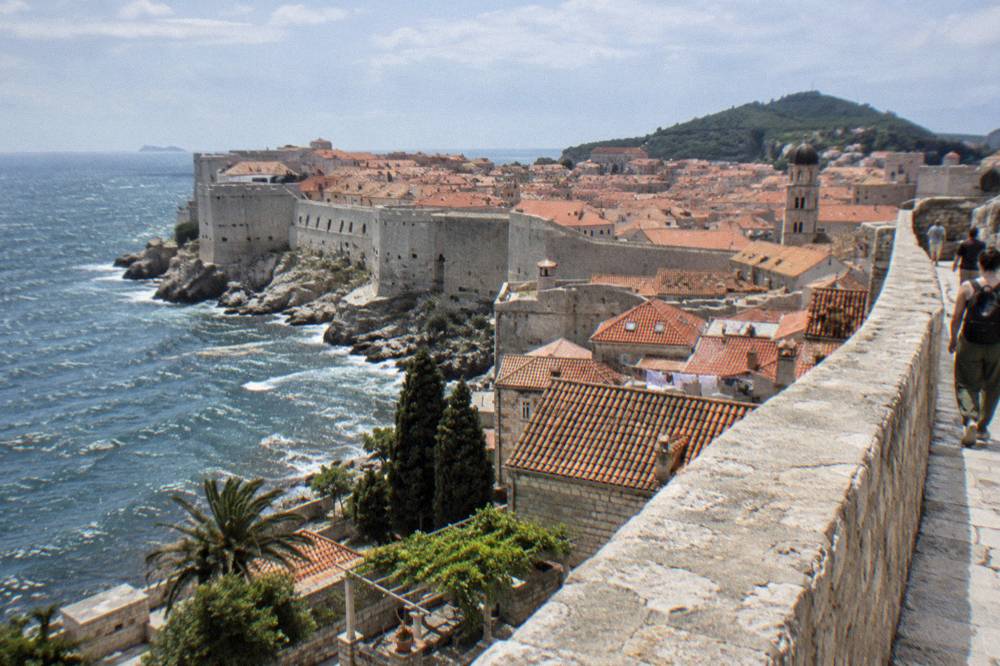
The City Walls category needs one honest note. The walk titled Walk The Walls Of Dubrovnik is a free GuruWalk walk meeting at Ploče Gate, 1 hour 15 minutes, rated 5 out of 5 across 55 GuruWalk reviews. It does not include the walls circuit, and the walls ticket is not waived for it: the EUR 20 February ticket and the free walk are separate things that happen to share a subject. The History Plus Game of Thrones Combo from the Amerling Fountain, 2 hours at 4.92 out of 5 across 781 reviews, mixes Old Town history with the television theme named in its title.
Mistakes That Trip People Up At The Feast Of St Blaise
The avoidable mistakes are treating the feast as a free pass to everything, expecting museums on 3 February, budgeting EUR 40 for walls that cost EUR 20, and assuming festival events beyond the listed ones are free. The banner raising, procession and church are free; nearly everything else keeps its winter price or its winter closure. Checking each item against the lists above prevents all of it.
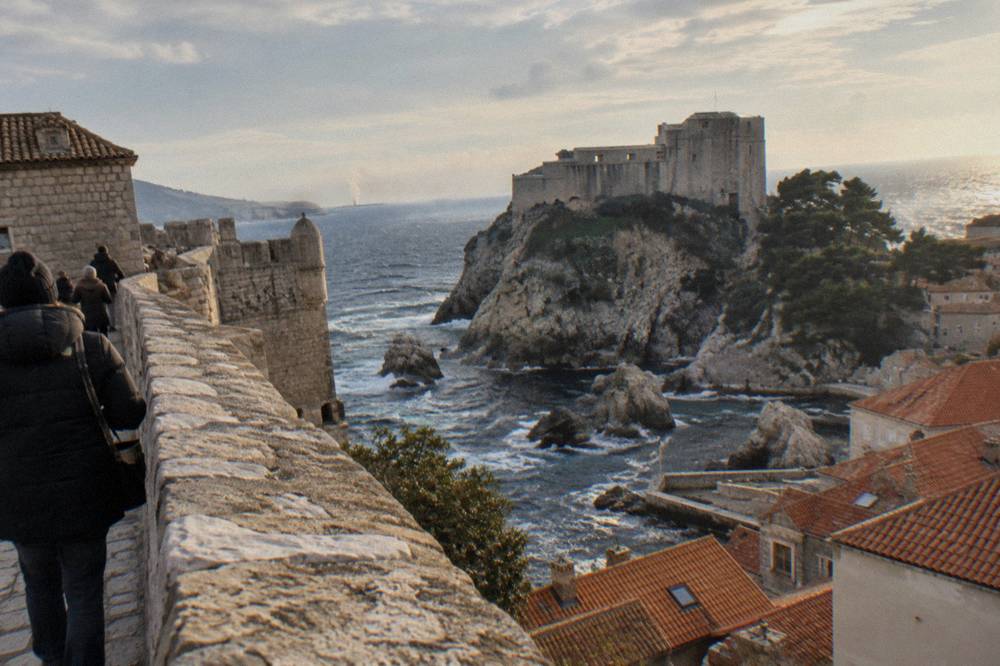
The first mistake is merging the feast with a general free day. The festival makes the procession and the church free, and nothing else. The walls still charge EUR 20, Lovrijenac is part of that same single ticket and never a free add-on, the Franciscan cloister still costs EUR 8, and Lokrum is still EUR 30 including the boat. A visitor who plans the day around "everything is free for the festival" meets a ticket booth at every turn.
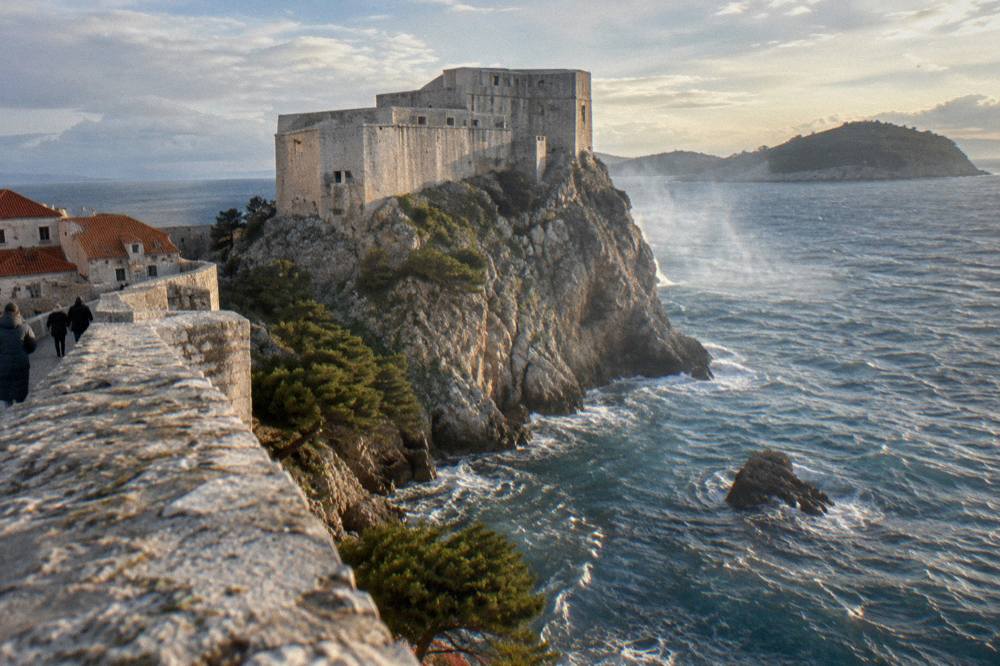
The second mistake is museum planning. Dubrovnik Museums close on the feast day, and each closes a different weekday through winter besides. A visitor who saves the Rector's Palace for the afternoon of 3 February finds it shut, and one who plans the Ethnographic Museum for a Tuesday finds the same. The Night of Museums in late January is the free alternative, and the only one.
The third is walls arithmetic. Budgeting the main-season EUR 40 in February overpays by half: the winter ticket is EUR 20 adult, EUR 5 for a child 7 to 18, free under 7, one tour, no re-entry. Assuming a Dubrovnik Pass helps is also wrong, since no winter pass is on sale. And expecting the Western Outer Wall as part of a February visit fails, because it closes December to February.
The fourth is transport-cart confusion. Reports of a suitcase ban in Dubrovnik are wider than the City's actual decision, which bans wheeled transport carts without soft inflated tyres in the pedestrian zones and never names suitcases. Travelling light is sensible during festival crowds; repeating a fine figure that the City's text does not state is not.
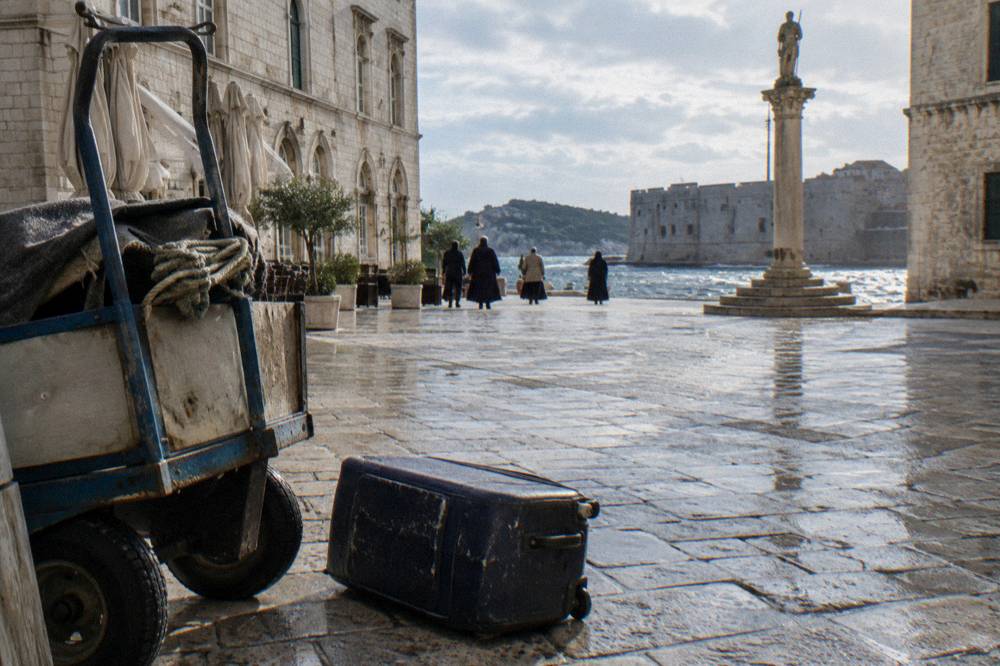
The fifth is calling conditionally free things free. Banje Beach is public and swimming is free, but its sunbeds are EUR 30, umbrellas EUR 10 and towels EUR 5 from the club. The Buža cliff bars are reached through a public gap in the walls, but the seating is for paying customers. Saying so plainly keeps the free list honest.
Common Questions About The Feast Of St Blaise
Is The Feast Of St Blaise Free To Watch?
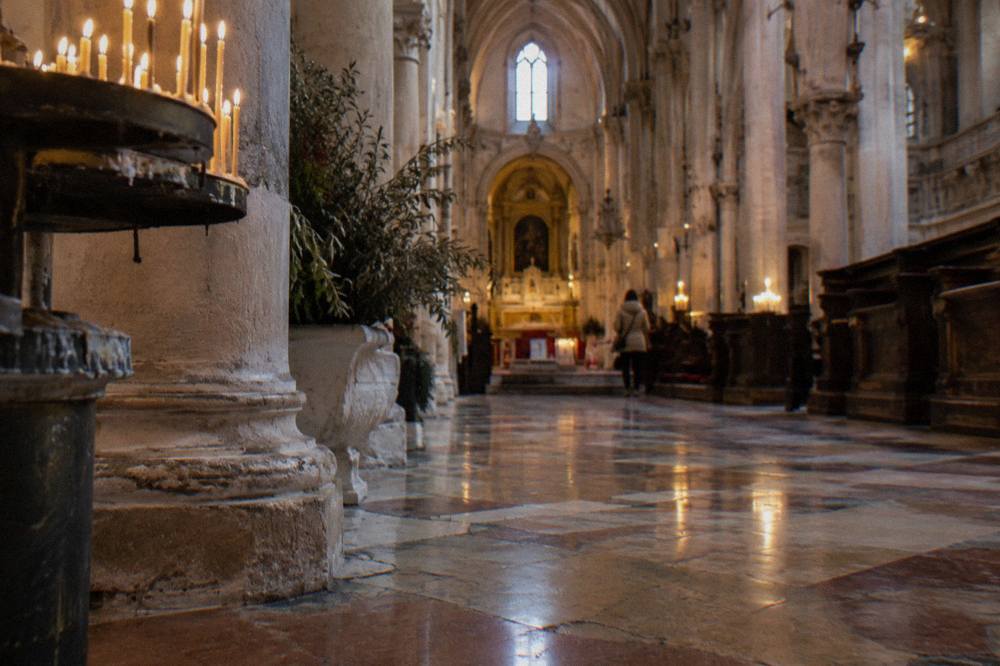
Yes. The banner raising, the procession through the Old Town and entry to St Blaise church outside services cost nothing. The public squares and streets the procession uses, Stradun, Luža Square and the gates, are free open spaces all year. No ticket or viewing charge exists for any part of the festival.
What Date Is The Feast Of St Blaise?
The feast falls on 3 February every year. The Night of Museums, a separate free event, falls on the last Friday of January, which puts the two free highlights of Dubrovnik's winter within about a week of each other in most years.
Are Museums Open On 3 February?
No. Dubrovnik Museums, including the Rector's Palace, Maritime Museum, Ethnographic Museum and Revelin, close on the Feast of St Blaise, along with Christmas and New Year. They also run winter hours of 9:00 to 16:00 with a different closing weekday each, so check the day of the week for any museum visit around the feast.
How Much Is The City Walls Ticket During The Feast?
EUR 20 for an adult and EUR 5 for a child aged 7 to 18 from 1 December through January and February, with children under 7 not paying. The ticket covers the walls circuit and Fort Lovrijenac as one ticket, allows one tour with no re-entry, and nothing about the walls is free. Prices for 2027 are not on sale yet.
Can You Go Inside St Blaise Church For Free?
Yes, St Blaise church is open for sightseeing outside services with no fee. The Dubrovnik Cathedral nearby is likewise free to enter the church outside Mass per visitor guides, though its Treasury is a separate ticketed room. The Franciscan church is free to enter while its cloister and Old Pharmacy cost EUR 8.
Do Free Walking Tours Run During The Festival?
Every walk on this site's list of walks is free, pay what you want and reserved on GuruWalk, meeting at landmarks such as Pile Gate, Ploče Gate, Orlando's Column, Nautika Restaurant, the Amerling Fountain and Onofrio's Fountain. Durations range from 1 hour 15 minutes to 2 hours. Check each walk's own page for its meeting point and reserve ahead of the feast morning.