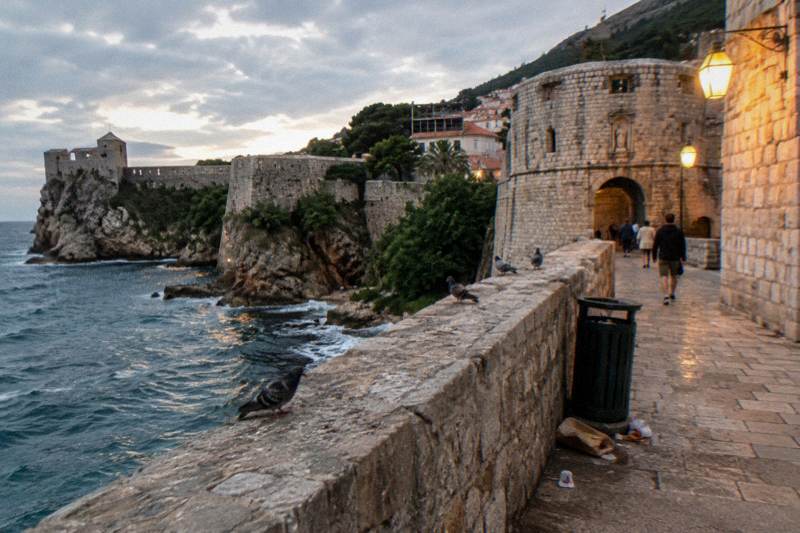
How Do You Get To Lokrum Island Without A Tour?
How to reach Lokrum Island on your own: the boat from the Old Port, the EUR 30 reserve and boat ticket, winter crossings, and what is free to see before you board.
In Short
No tour is needed. Lokrum is reached by boat from Dubrovnik's Old Port, and the crossing is bundled into the reserve's own ticket: EUR 30 per person including entry and the return official boat. The same EUR 30 applies even if you arrive by your own boat, because the charge is for the reserve itself, not the ride. A reduced EUR 5 rate is shown for children aged 7 to 18. No winter timetable is published, so the crossing is something to plan around the main season.
This question sits inside the Lokrum Island guide, which covers the island's sights, swimming spots and opening regime in full. This post owns one narrow question: the logistics of getting there without paying anyone to walk you around.
Quick Facts
| Question | Answer |
|---|---|
| Do you need a tour to visit Lokrum? | No. The reserve ticket and boat are sold independently of any guide |
| What does it cost? | EUR 30 per person, covering entry and the return official boat |
| Arriving by private boat? | Still EUR 30; the charge is for the reserve, not the crossing |
| Child rate | EUR 5 is shown for ages 7 to 18 |
| Where does the boat leave from? | The Old Port in the Old Town |
| Winter crossings | No winter timetable is published; plan around the main season |
| Free things at the departure point | The Old Port, the Kase breakwater and the Old Town itself |
How Do You Get To Lokrum Island Without A Tour?
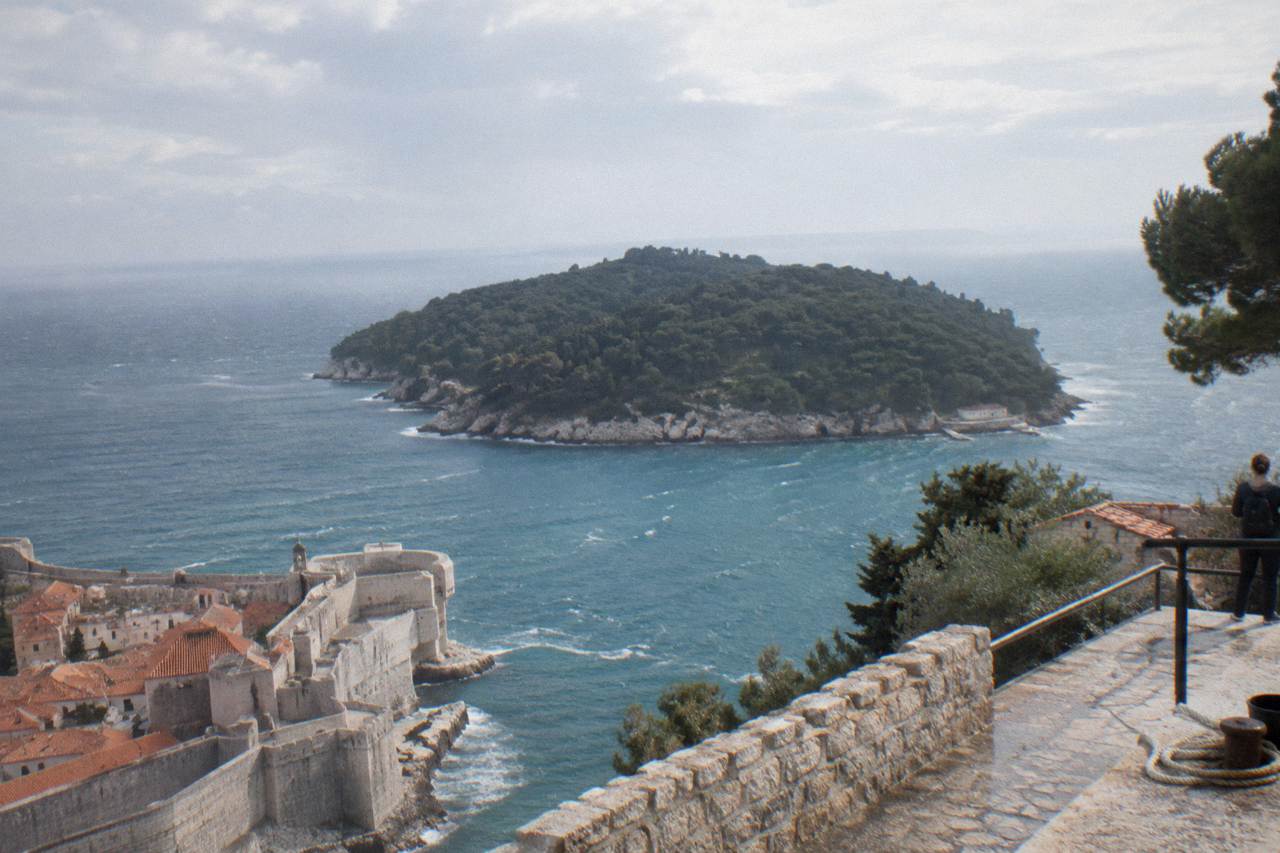
You buy the reserve's own ticket and take the official boat from the Old Port, with no guide, group or booking platform in between. The ticket is EUR 30 per person and it includes both the island entry and the return crossing, so there is nothing left for a tour operator to bundle. The island sits just offshore of Dubrovnik, and the boat handles the entire journey. Independent travel here is not a workaround; it is the default arrangement.
The mechanism is unusually simple once it is laid out plainly. Lokrum is a protected reserve, and the EUR 30 charge is the reserve's own admission price. The return official boat is folded into that same price, which is why there is no separate ferry fare to shop around for. Whether you are crossing alone, as a couple or with a family, the transaction is one ticket per person at the departure point.
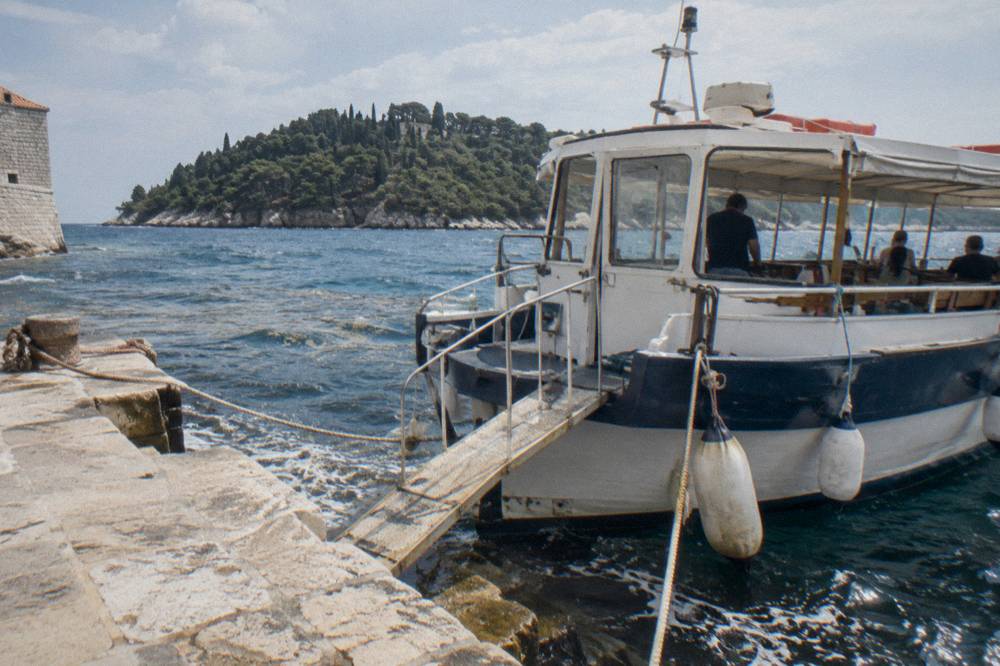
The detail that surprises people is the private-boat rule. If you arrive on your own boat, you still pay the same EUR 30, because the fee attaches to setting foot on the reserve rather than to the seat on the vessel. This closes the obvious loophole of hiring a kayak or a water taxi and expecting to skip the island charge. The rocks, the gardens and the swimming coves are all inside the paid perimeter, so the island is never a free swim in the way some visitors assume.
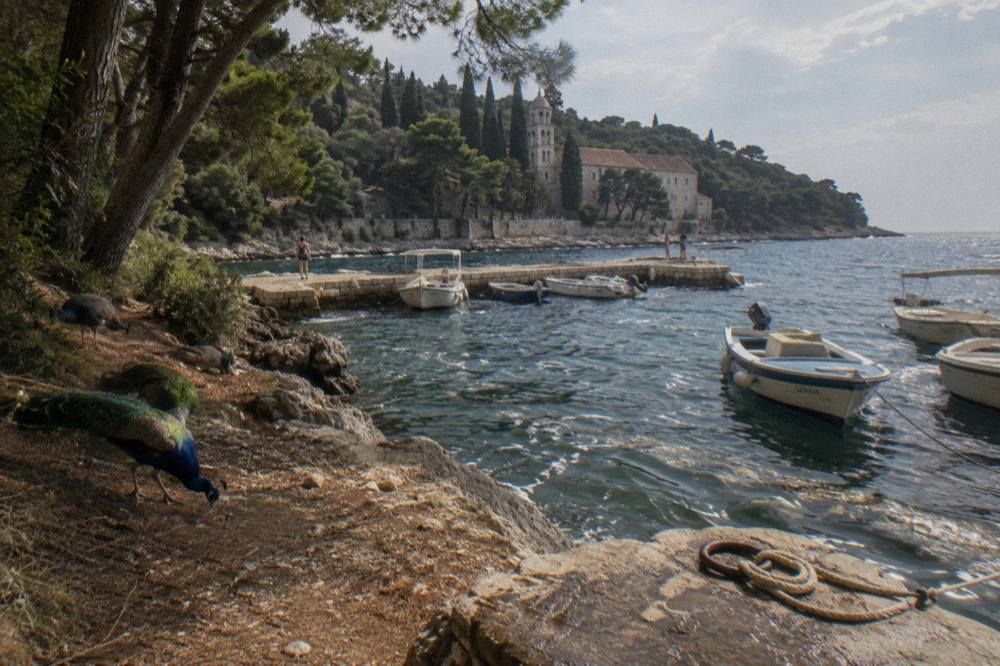
None of this requires a guided excursion. Tour packages that include Lokrum exist, but everything they contain, the crossing and the entry, is already purchasable directly. The island's paths, botanical planting and old monastery grounds are explorable at your own pace once you are through the gate. For orientation before you cross, many travellers take a free, pay what you want walking tour of the Old Town first; the Old City Since 2018, 2 Hours walk on GuruWalk, rated 4.98 out of 5 across 1,302 GuruWalk reviews and meeting at Nautika Restaurant, is one such option, and it is worth reading about whether the Dubrovnik Pass changes any of this if you are carrying multiple paid sights.
The reserve also appears on the city's official visitor information at visitdubrovnik.hr, which carries the seasonal announcements that matter for boat operations.
If your day pairs the island with other self-guided wandering, a free walk can anchor the Old Town side of it. The walks below run on GuruWalk and are free, pay what you want.
Where Does The Ferry Leave From?
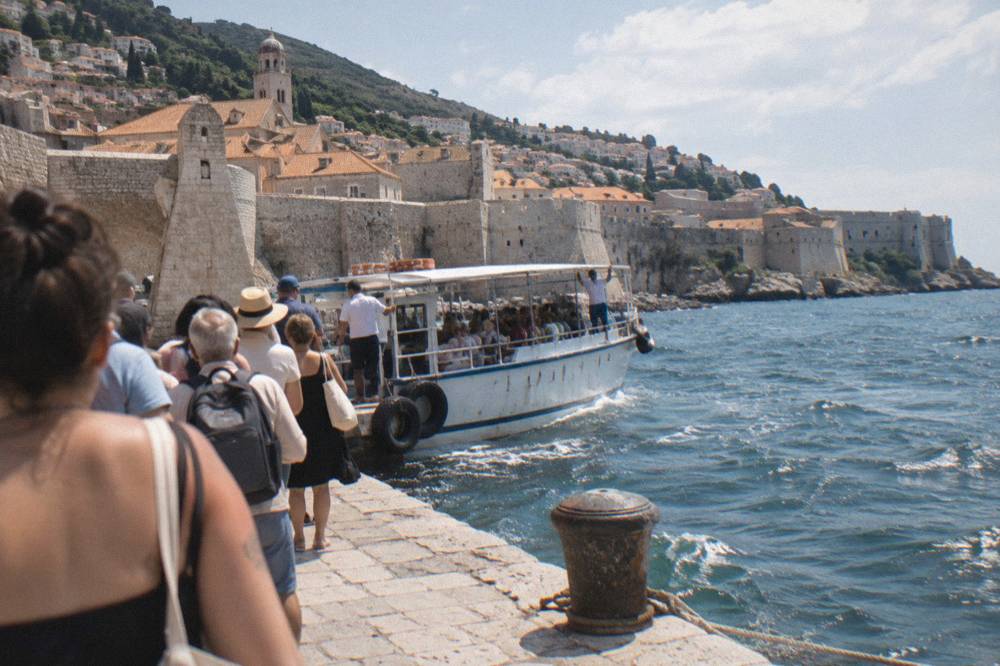
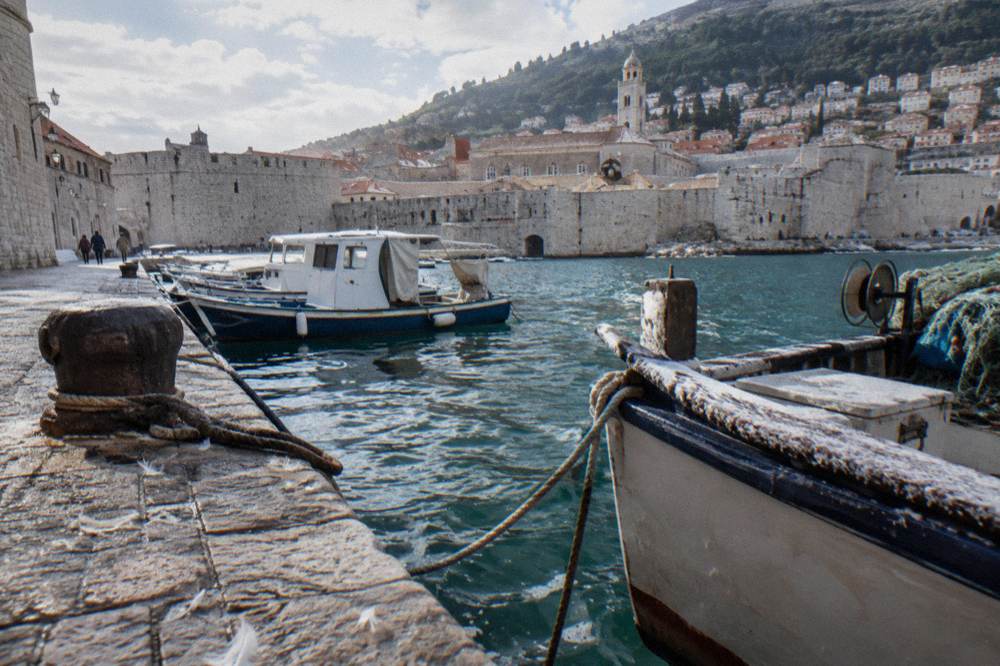
The boats to Lokrum leave from the Old Port, the historic harbour on the eastern side of the Old Town inside the walls. The Old Port is free to enter and walk around, and the Kase breakwater beside it is free to see, so the departure point itself is a worthwhile stop before you board. There is no second departure terminal and no bus connection involved; the crossing begins where the Old Town meets the water.
The Old Port is the working heart of the walled city's seafront. Fishing boats, excursion vessels and the Lokrum boats share the basin, and the quays are public space. Arriving early enough to walk the length of the harbour costs nothing and puts the whole boarding situation in perspective: the boats are visible, the ticketing is at the departure point, and the island itself can be seen offshore, which removes any mystery about the crossing ahead.
The Kase breakwater, the long stone arm that shelters the harbour, is one of the free sights catalogued in the city's records. From along its length you can look back at the walls and out toward Lokrum without paying anything, which makes the pre-boarding wait genuinely pleasant rather than dead time. The breakwater and the port together form the last free ground you stand on before the EUR 30 reserve regime begins on the water.
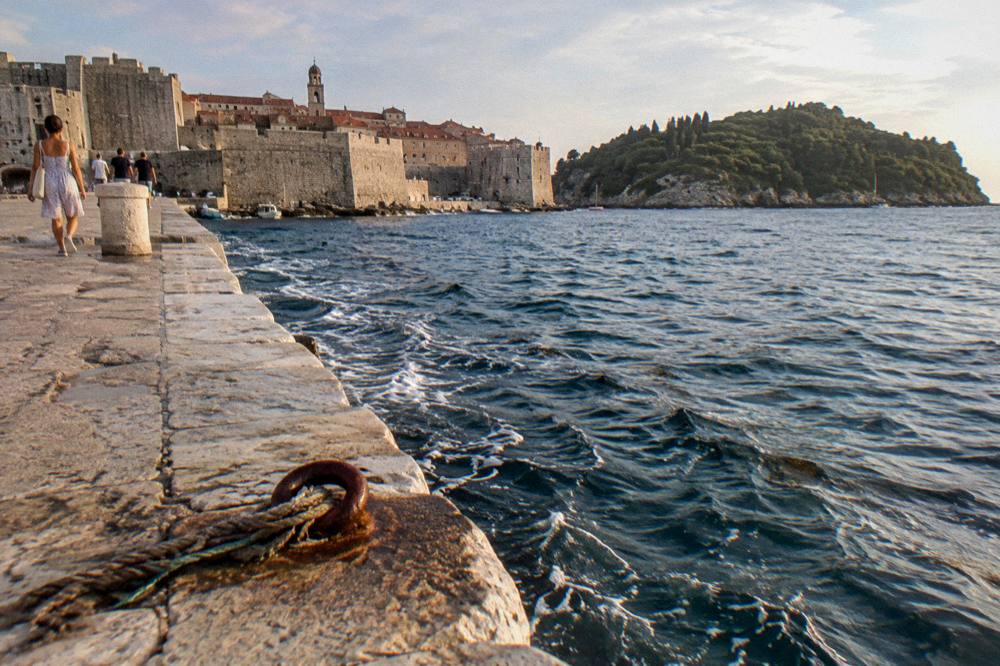
Getting to the Old Port on foot is straightforward because it sits inside the pedestrian Old Town. There is no vehicular access to the harbour itself, and the pedestrian layout means your approach is on foot through the historic streets, past Luža Square and the free exteriors of Sponza Palace and the Bell Tower. Nothing in this leg costs money, which is worth appreciating before a day that includes a EUR 30 island ticket.
Before committing the day, it helps to have the Old Town's geography settled in your head. Old City Since 2018, 2 Hours is a free, pay what you want walk on GuruWalk, rated 4.98 out of 5 across 1,302 GuruWalk reviews, meeting at Nautika Restaurant, and its Old Town orientation is exactly the kind of preparation that makes an independent Lokrum day run smoothly.
With the layout settled, the remaining question about the crossing is what the ticket actually buys.
Does The Island Charge A Reserve Fee?
Yes, and the fee is the whole cost structure: EUR 30 per person, which bundles the reserve entry and the return official boat into a single ticket. There is no ferry-only fare and no entry-only price, because the two are sold as one. Children aged 7 to 18 are shown at EUR 5, and the same EUR 30 applies to visitors arriving on private boats. Nothing on the island is sold separately at the gate.
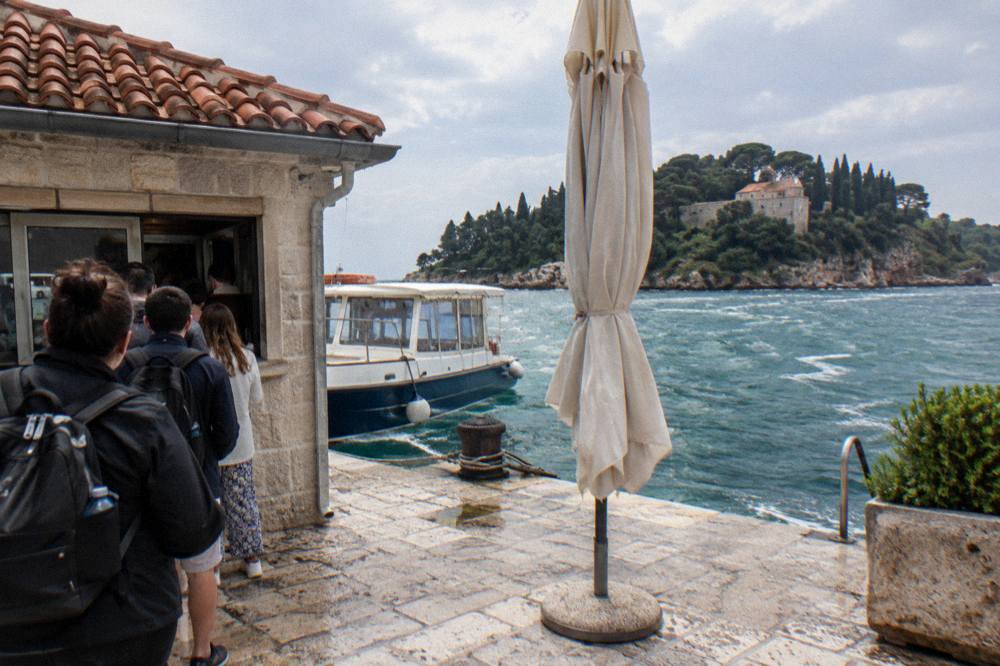
The bundled design is the key fact. Many island destinations split the crossing from the landing fee, letting you mix operators or arrive under your own steam for less. Lokrum does the opposite. The EUR 30 is set by the reserve, the boat is the official crossing included in it, and the arrangement is uniform whether you are a solo traveller or part of a group. This is also why guided tours offer no logistical advantage here: they buy the same ticket you would.
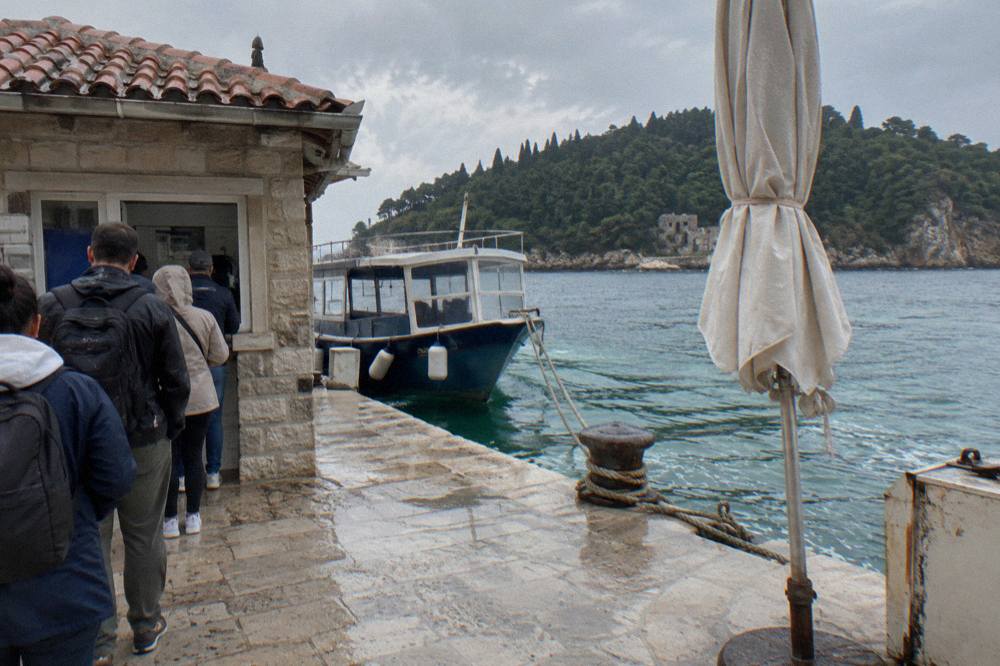
The private-boat clause deserves its own sentence because it defines what the fee is for. The EUR 30 is not a fare for transport; it is admission to a protected nature reserve. Arriving by your own vessel does not bypass it, which tells you the island's funding model rests on access itself. A combined Dubrovnik, Trsteno and Lokrum ticket at EUR 42 has also been shown, worth comparing only if Trsteno Arboretum, at EUR 10 adult entry on its own, was already on your list.
For budgeting, treat Lokrum as a paid sight with a boat attached, not a boat trip with an island attached. That framing lines it up against the city's other paid anchors: the City Walls and Fort Lovrijenac ticket at EUR 40 adult in the 1 March to 30 November 2026 season, or the Dubrovnik Pass at EUR 40 for one day. A day combining the walls and Lokrum is two paid tickets; a day combining the Old Town streets and Lokrum is one.
The reserve's regime is the reason the island never appears on genuinely free lists in an honest accounting, a distinction explained further in the full Lokrum Island guide.
Is A Winter Crossing Possible?
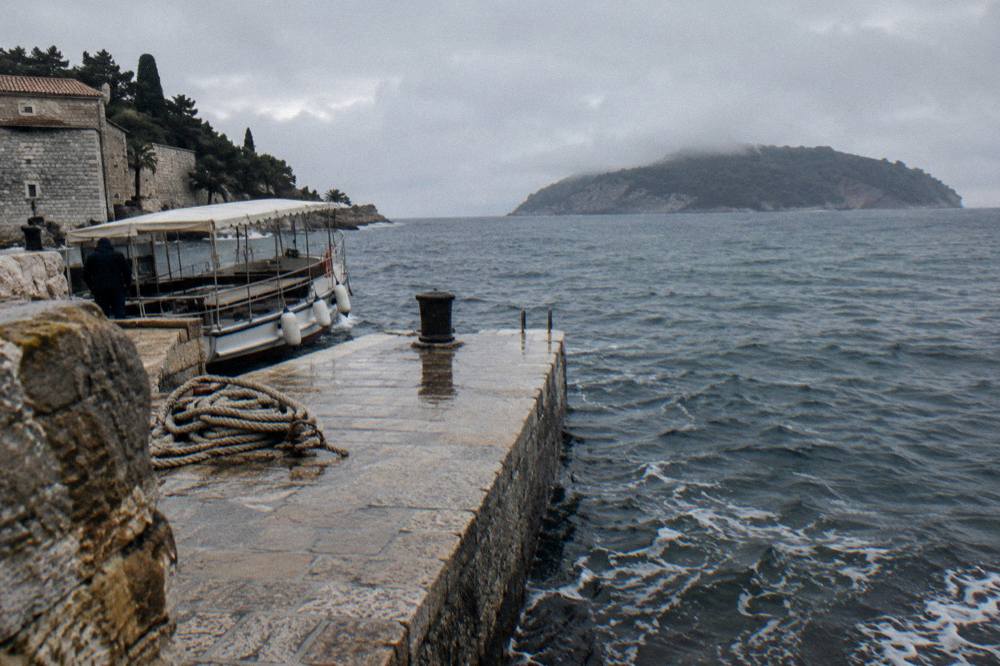
No winter timetable for the Lokrum boat is published, so a winter crossing is not something that can be planned or promised in advance. The island's season follows the boat operation, and the reliable arrangement is a main-season visit. Anyone travelling between late autumn and early spring should treat Lokrum as a place to schedule around, not a certainty, and keep the Old Town's free sights as the anchor of those days.
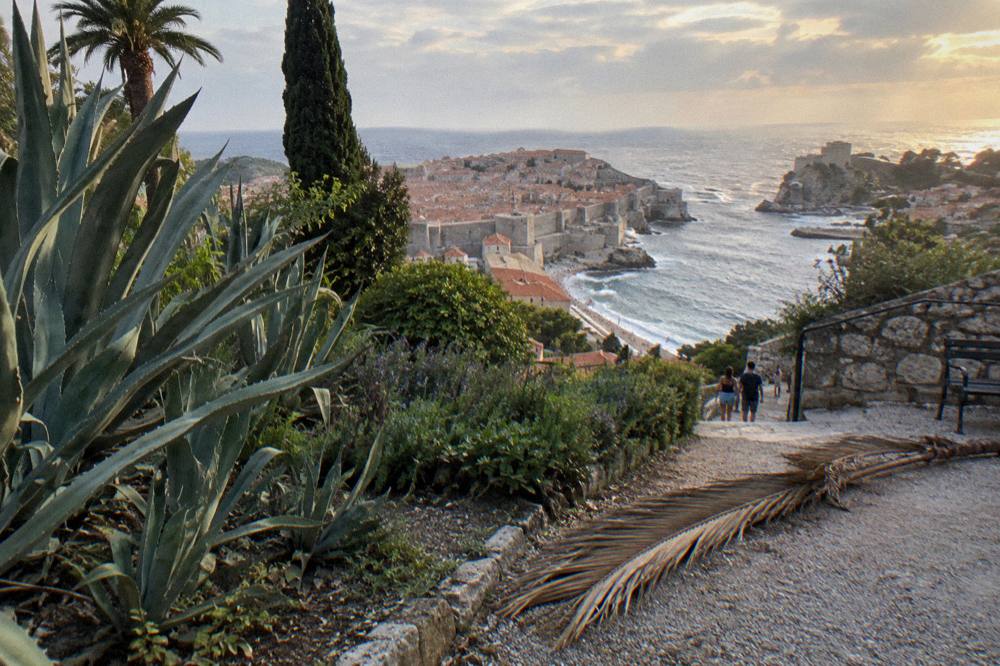
The honest position on winter is a non-answer, and it is better to state it plainly than to guess. The reserve's own communications carry the seasonal operation, and no source publishes a winter ferry timetable. What winter visitors can rely on instead is a city that stays generous on land: Stradun, Pile Gate, Ploče Gate, Luža Square, the Onofrio fountains and the Jesuit staircase are all free to see, and Gradac Park reopened on 16 September 2026 after its first full renovation since 1898, adding a freshly restored free park to the winter itinerary. The rest of the planning pages sit on Free Things To Do In Dubrovnik.
Winter also reshuffles the paid sights in ways worth knowing before you commit to dates. The City Walls and Fort Lovrijenac ticket drops to EUR 20 adult and EUR 5 for children aged 7 to 18 from 1 December 2026 through January and February, against EUR 40 and EUR 15 in the 1 March to 30 November 2026 season. The Dubrovnik Pass is shown for the main season only, with no winter pass on sale. Museums move to winter hours with a different closing day each, and War Photo Limited closes from November to March.
For a fuller treatment of the cold months, the winter guide to free Dubrovnik lays out the free dated events, including the Feast of St Blaise on 3 February and the Night of Museums on the last Friday of January.
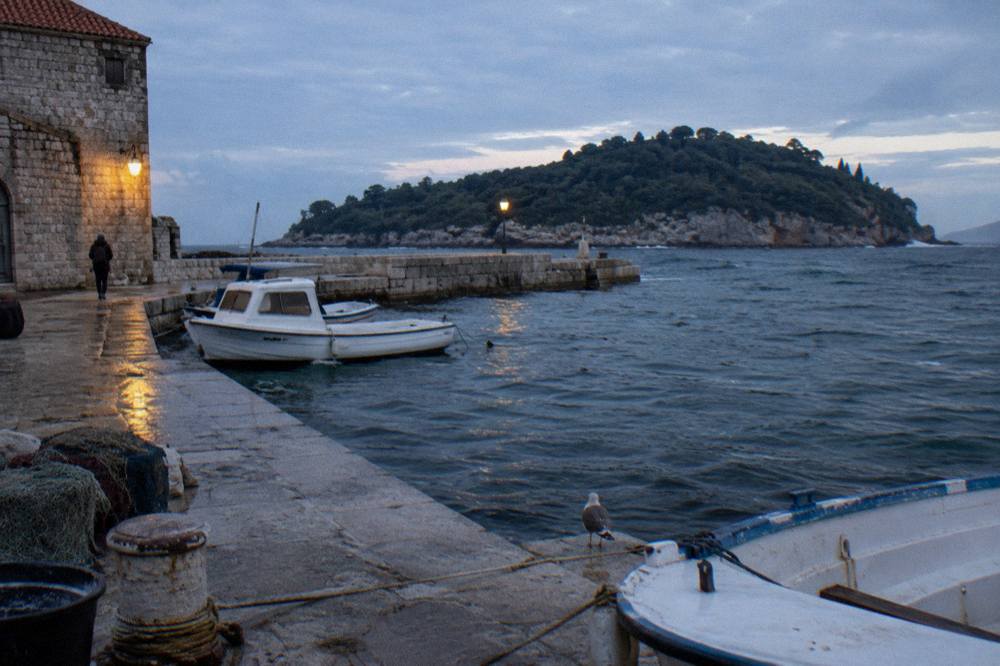
The practical takeaway is sequencing. If Lokrum is a priority, build the trip inside the boat's operating season and leave the walls, the museums and the coastal walks for a second visit or for shoulder-season pricing. If the trip is already fixed in winter, the island moves to the list for next time and the free city carries the days instead.
What Is Free On The Waterfront Before You Board?
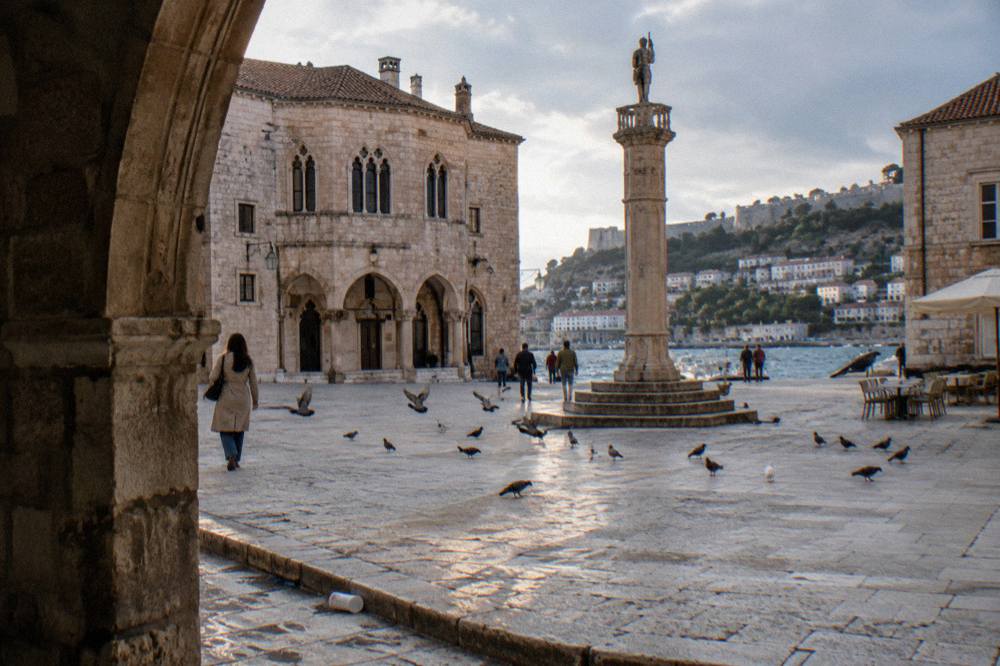
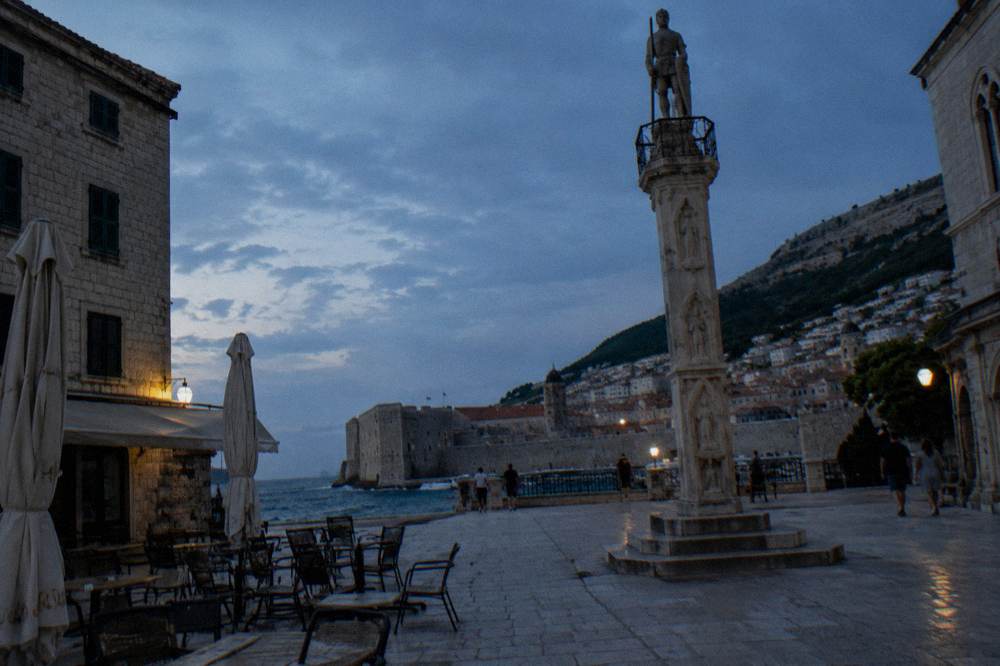
The Old Port, the Kase breakwater and everything walkable in the Old Town cost nothing: Stradun, Pile Gate, Ploče Gate, Luža Square, Orlando's Column, the Onofrio fountains, Gundulić Square with its morning produce market, and the Old Town exterior sights. The live visitor counter at dubrovnik-visitors.hr is also free to check. Only the island ticket and anything you buy to eat or drink takes money.
The departure area is unusually rich in free ground. The quays of the Old Port are public, the breakwater is a free walk, and behind the harbour the entire pedestrian Old Town opens up without an entrance charge. Luža Square with the Sponza Palace and Bell Tower exteriors, the free Franciscan church nave while its cloister and Old Pharmacy cost EUR 8, and the Jesuit staircase all sit within the same walkable knot of streets.
Gundulić Square's morning produce market is free to enter, though anything you buy is paid, and it makes a sensible provisioning stop if you want food for the island without relying on island catering. The Banje Beach public stretch nearby is free for swimming, while its sunbed area belongs to Banje Beach Club at EUR 30 per sunbed, a split worth remembering if the plan is a swim before or after the crossing.
The city's live visitor counter, published at dubrovnik-visitors.hr, updates across six counters every 15 minutes and is free to consult. It exists to show how busy the Old Town is, and it can help you pick the calmer day of two for an excursion-heavy itinerary. The free resources on land add up to a full day on their own, which is exactly why an independent plan works: you control which hours go to the paid island and which stay free.
Old Town orientation helps here too, and the free, pay what you want walks on GuruWalk cover it. Free Spirit Local Stories Walk, rated 4.94 out of 5 across 2,029 GuruWalk reviews and meeting at Orlando's Column, is one of them.
With the waterfront plan settled, a few mistakes catch people at exactly this point in the day.
Mistakes That Trip People Up At Lokrum
The common errors are assuming the island is free, assuming a private boat dodges the fee, expecting a winter crossing, and treating the EUR 30 as a ferry ticket rather than reserve admission. Each mistake comes from merging the crossing with the island into one vague "boat trip". Keeping the reserve fee, the bundled boat and the season separate removes every trap at once.
The first mistake is calling Lokrum free. It is not on any honest free list: the reserve charges EUR 30 per person, and that figure is the island's defining fact. Related to it is the assumption that swimming off Lokrum's rocks is free; the swimming is inside the paid reserve, so it is part of the EUR 30, never a workaround.
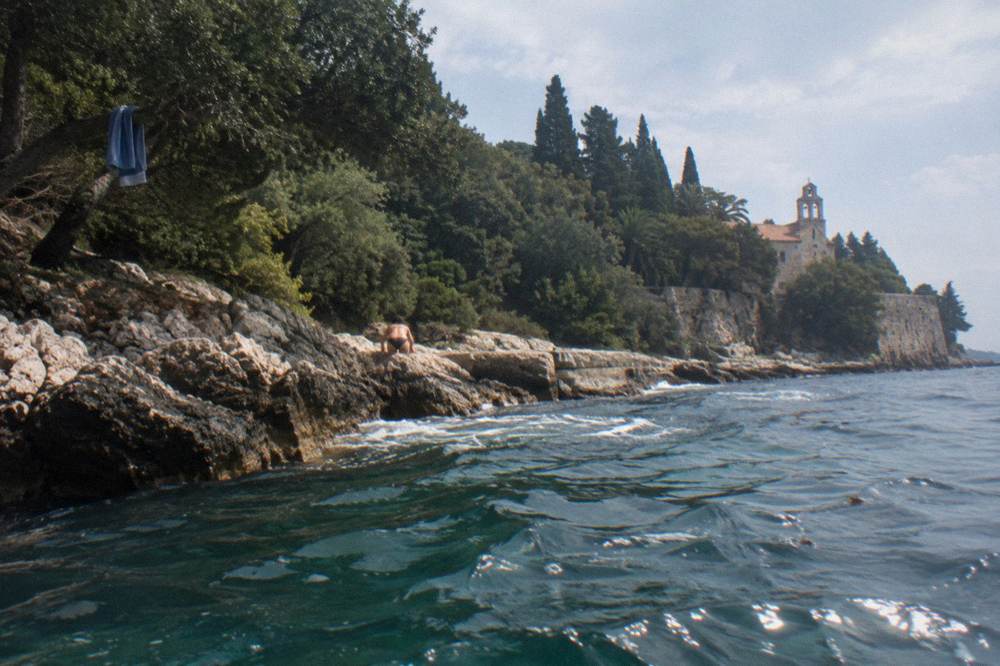
The second is the private-boat loophole that does not exist. Kayaks, water taxis and chartered vessels all still land you at the same EUR 30 admission, because the fee attaches to the reserve. Budget the ticket regardless of how you cross.
The third is winter certainty. With no winter timetable published, a firm winter plan for the island is built on nothing. The fourth is misreading the ticket as transport. Once you understand the EUR 30 buys the reserve and the boat simply comes with it, the value comparison against other paid sights, the walls at EUR 40 adult in season, or the EUR 50 three-day Dubrovnik Pass, becomes honest arithmetic rather than guesswork.
Common Questions On This Topic
How Do You Get To Lokrum Island Without A Tour?
Buy the reserve ticket at the Old Port and take the official boat. The EUR 30 per person price includes island entry and the return crossing, with EUR 5 shown for children aged 7 to 18. No guide, group or package is involved at any step.
Where Does The Boat To Lokrum Leave From?
The boats leave from the Old Port inside the Old Town. The harbour, the Kase breakwater and the surrounding streets are free to walk, so you can arrive on foot through the pedestrian Old Town and board from the quay.
How Much Does Lokrum Island Cost?
EUR 30 per person, bundling the reserve entry and the return official boat. Children aged 7 to 18 are shown at EUR 5. Arriving by your own boat still costs EUR 30, because the charge is for the reserve itself.
Can You Take Your Own Boat To Lokrum?
Yes, but it does not save money. The EUR 30 fee is reserve admission, so it applies identically whether you cross on the official boat or arrive by private vessel. The crossing is included in the ticket, not sold separately.
Does Lokrum Run In Winter?
No winter boat timetable is published, so a winter crossing cannot be relied on. Plan the island for the main season and spend winter days on the free Old Town sights, the December walls pricing and the seasonal events instead.
Is Anything Free Near The Lokrum Departure Point?
Plenty. The Old Port, the Kase breakwater, Stradun, Luža Square, the Onofrio fountains and the church and palace exteriors are all free to see, and the Old Town's free, pay what you want walks on GuruWalk add a guided hour at no fixed price.