Is The Franciscan Church In Dubrovnik Free?
The Franciscan church in Dubrovnik is free to enter, while the cloister and Old Pharmacy museum cost EUR 8. Here is where the free part ends and the ticket begins.
In Short
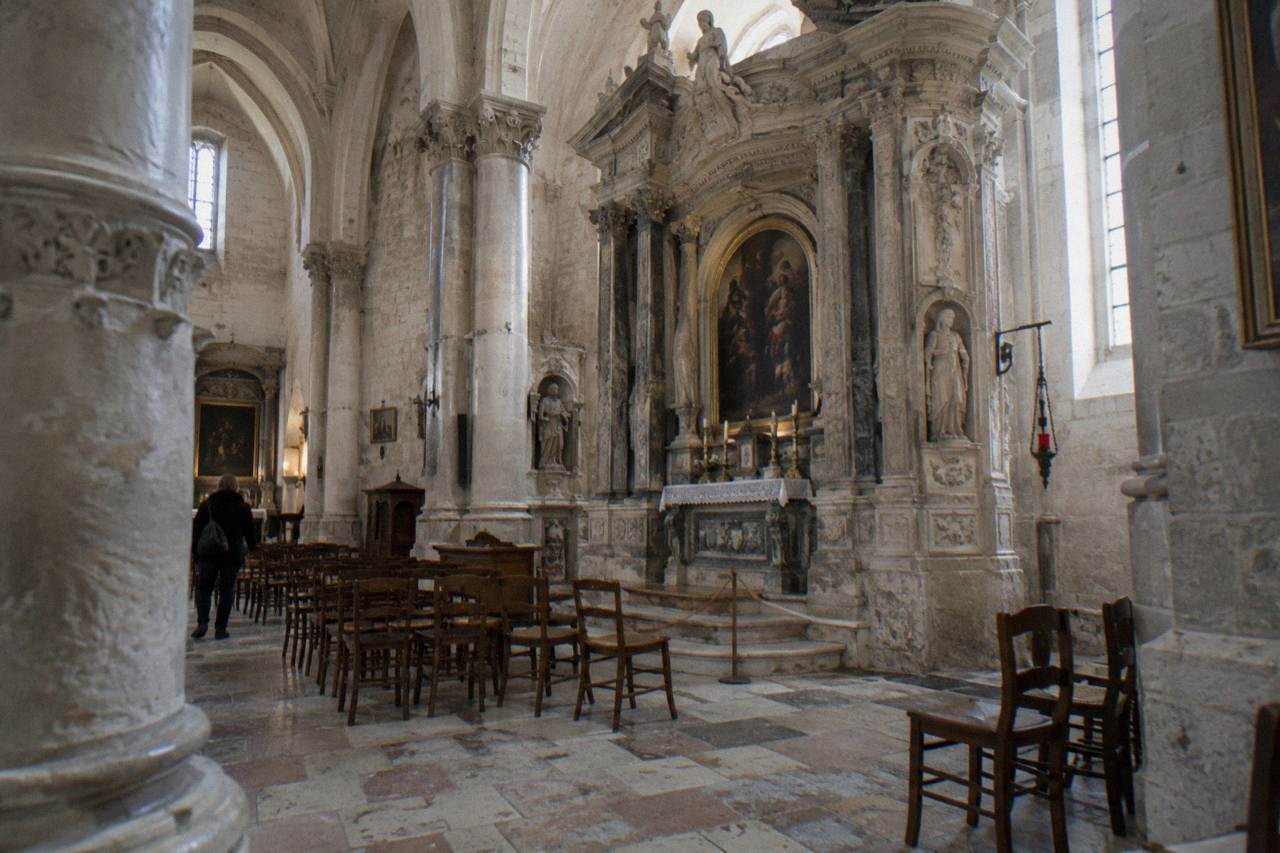
The Franciscan church in Dubrovnik is free to enter. It is a working parish church, and no fee is listed for the nave. The adjoining cloister and the Old Pharmacy museum are a separate attraction run by the Franciscan friars and cost EUR 8 for adults, with free entry for children under 7 and Dubrovnik Pass holders. In winter the museum keeps hours of 9:00 to 14:00 and closes on Sundays.
This question sits inside the Franciscan Monastery guide, which covers the whole complex in depth.
Quick Facts
| Question | Answer |
|---|---|
| Is the church free? | Yes, the Franciscan church nave has no listed fee |
| What costs money? | The cloister and Old Pharmacy museum, EUR 8 adults |
| Who gets in free to the museum? | Children under 7, Dubrovnik Pass holders |
| Winter museum hours | 9:00 to 14:00, 1 November to 1 April |
| Winter closing day | Sundays |
| Fully closed | 1 January and 25 December |
| Run by | The Franciscan friars (Mala braća) |
Is The Franciscan Church In Dubrovnik Free?
Yes, the Franciscan church itself is free to enter. The building is a working parish church, and the friars list no admission fee for the nave. The paid part starts one door further along the complex: the cloister and the Old Pharmacy museum, which carry an EUR 8 adult ticket. Free and paid sit side by side here, separated by a doorway rather than a wall.
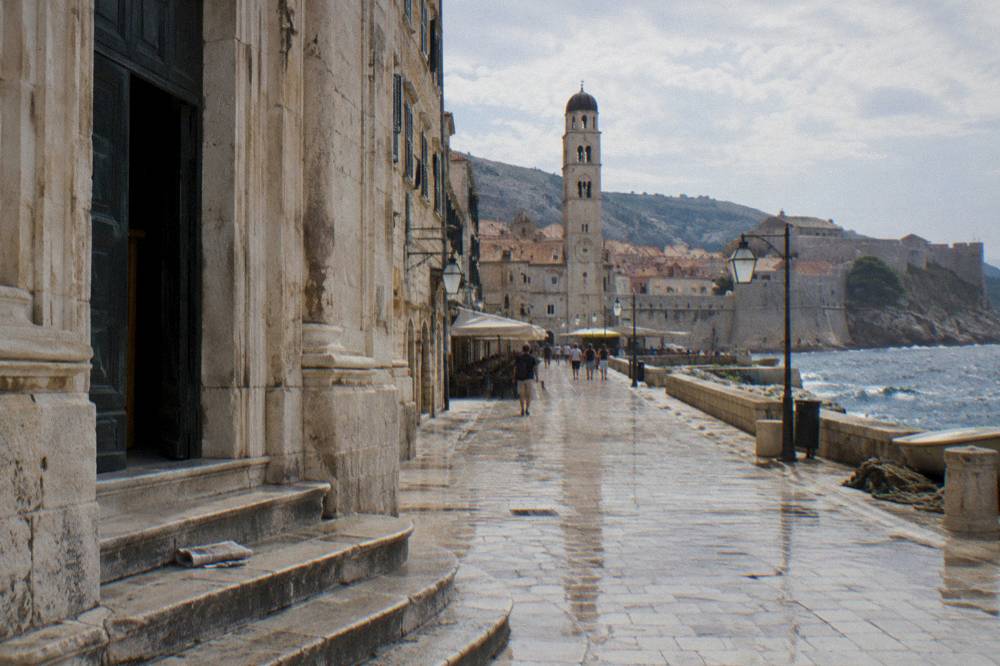
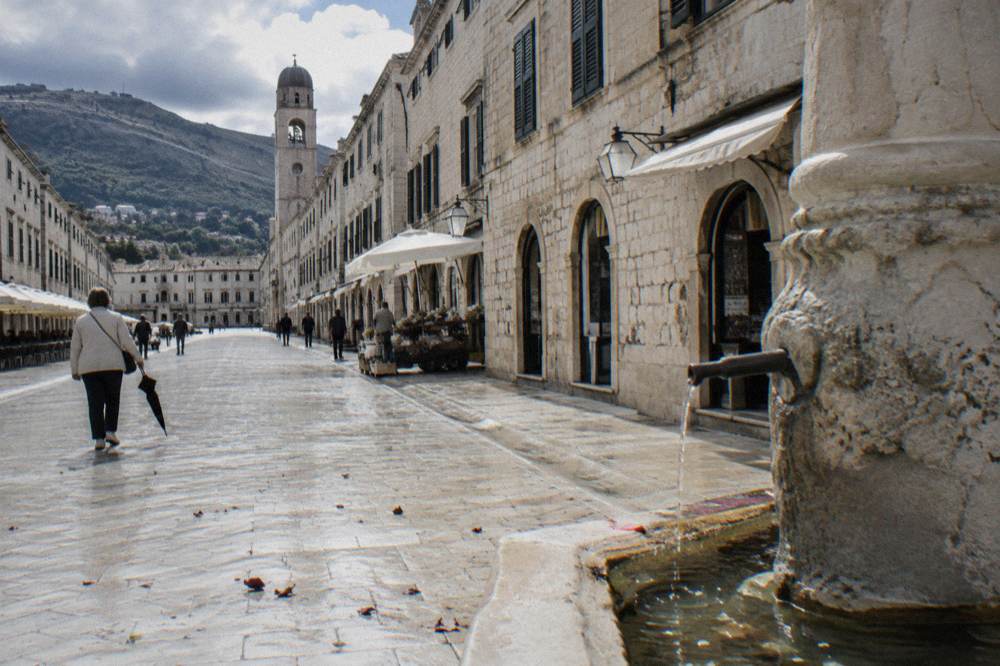
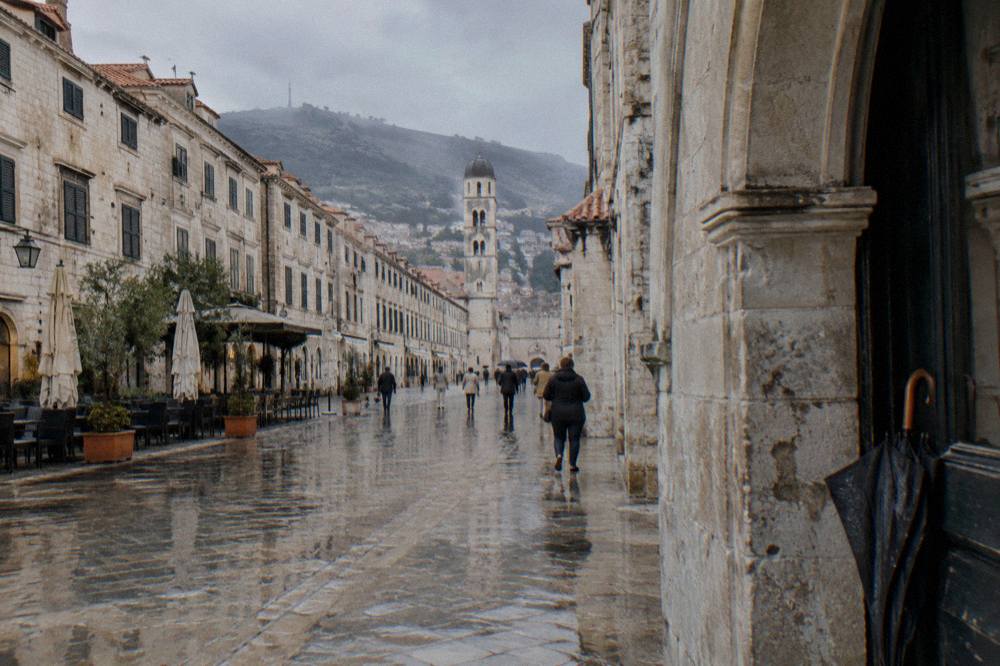
The distinction matters because most people arrive expecting one attraction and find two. The Franciscan complex occupies the western end of Stradun, and the church entrance opens directly off the street. You can step in, see the interior, and leave without ever encountering a ticket desk, provided you enter through the church door rather than the museum entrance. Stradun itself is free to walk its full length, as is Pile Gate at its western end, so a visit to the church costs you nothing but the time it takes to get there on foot through the Old Town.
The museum is a different operation with a different purpose. The cloister and the Old Pharmacy are run by the Franciscan friars as a ticketed museum, priced at EUR 8 for adults, with children under 7 admitted free and the Dubrovnik Pass accepted. Winter hours run 9:00 to 14:00, and from 1 November to 1 April the museum closes on Sundays, as well as on 1 January and 25 December. The friars' own site carries the current details: the Franciscan community's official page.
This split between a free nave and a ticketed museum is a recurring pattern in Dubrovnik, and learning to read it saves money across the whole city. The Dubrovnik Cathedral nave is likewise described by visitor guides as free to enter outside Mass, while its Treasury is a separate ticketed room whose price is not published. Sponza Palace is free to admire from Luža Square, while its interior has no clearly stated entry details. Once you understand that Dubrovnik's institutions routinely divide themselves into a public face and a paid interior, the Franciscan complex stops being confusing and starts being typical.
A free walking tour is a good way to place the church in context before you decide whether the museum ticket is for you. The Ancient Old City walk, 1 hour 45 minutes in English, meeting at Pile Gate, is free, pay what you want on GuruWalk and rated 4.85 out of 5 across 2,294 GuruWalk reviews. This site's page on the Ancient Old City free walk has the details, and it is the featured pairing for this question.
Which Door Do You Use?
Use the church door for the free visit and the museum entrance for the ticketed one. The church is a parish church and its nave is the free space, while the museum entrance leads to the cloister and Old Pharmacy, where the EUR 8 ticket applies. Mixing the two up is the single most common mistake visitors make at this complex, and it is easy to avoid.
The practical logic is simple. A working parish church keeps its nave open to the faithful and to visitors at no charge, because that is what a parish church is. A museum, by contrast, staffs a desk, maintains exhibits and charges admission to do it. The Franciscan complex contains both under one roofline, so the boundary is an interior one. Nobody at the church door will ask you for a ticket, and nobody at the museum desk will wave you through on the strength of a church visit.
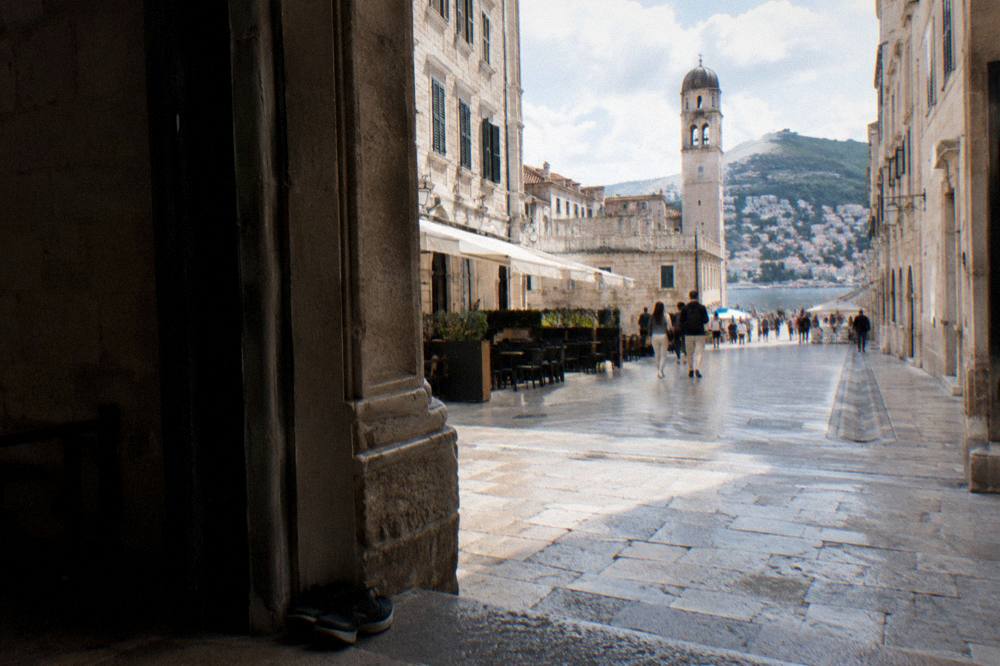
If your plan is a short free stop, the church alone delivers it. If your plan includes the cloister and the Old Pharmacy, budget EUR 8 per adult and check the seasonal rhythm: winter hours of 9:00 to 14:00, closed Sundays from 1 November to 1 April, and closed entirely on 1 January and 25 December. The Dubrovnik Pass covers the museum, and the pass is priced and explained on the official Dubrovnik Pass site. In the main season the pass costs EUR 40 for one day, EUR 50 for three and EUR 60 for seven, and no winter pass is on sale at all, so winter visitors simply pay the friars' EUR 8 at the door.
For orientation before you go, the broader Old Town walking guide places the Franciscan complex among the other free sights along Stradun, and the question of whether the Old Town itself is free answers the bigger picture: the streets, gates and squares cost nothing, while the museums and the walls do not. The Onofrio fountains, Luža Square, Orlando's Column and the Old Port all fall on the free side of that line, and all of them sit within the same compact peninsula as the Franciscan church.
Where Does The Paid Cloister Begin?
The paid zone begins at the entrance to the cloister and the Old Pharmacy museum, which is separate from the church nave. That ticket costs EUR 8 for adults, with children under 7 free and Dubrovnik Pass holders admitted at no charge. The church side of the complex never converts to paid entry, so the free visit does not depend on season or day.
Understanding the split means understanding who runs what. The friars of the Mala braća community maintain the church as a place of worship and the cloister and pharmacy as a museum. The museum exists to fund and present the heritage of the complex, and its EUR 8 ticket is the mechanism. Nothing in that arrangement touches the nave. The church keeps its own life regardless of what the museum is doing, and on a winter Sunday, when the museum is shut, the church continues as the parish church it has always been.
The seasonal rules apply only to the museum side. From 1 November to 1 April the museum runs 9:00 to 14:00 and closes on Sundays, plus full closures on 1 January and 25 December. In the main season the hours widen, though the friars' page is the place to confirm them before a visit. The church, being a parish church, follows the rhythm of a parish church rather than a ticket office.
It helps to see the Franciscan ticket in the context of the city's other price levels. The Rector's Palace charges EUR 15, the Maritime Museum EUR 10, the Ethnographic Museum Rupe EUR 8 and the Revelin exhibition space EUR 5, with a 10-museum ticket at EUR 20 valid seven days. At EUR 8 the Franciscan museum sits mid-table, priced level with the Ethnographic Museum and well below the City Walls ticket, which costs EUR 40 per adult in the main season. That comparison is worth holding in your head as you build a day around Stradun.
Is The Pharmacy Museum Worth The Fee?
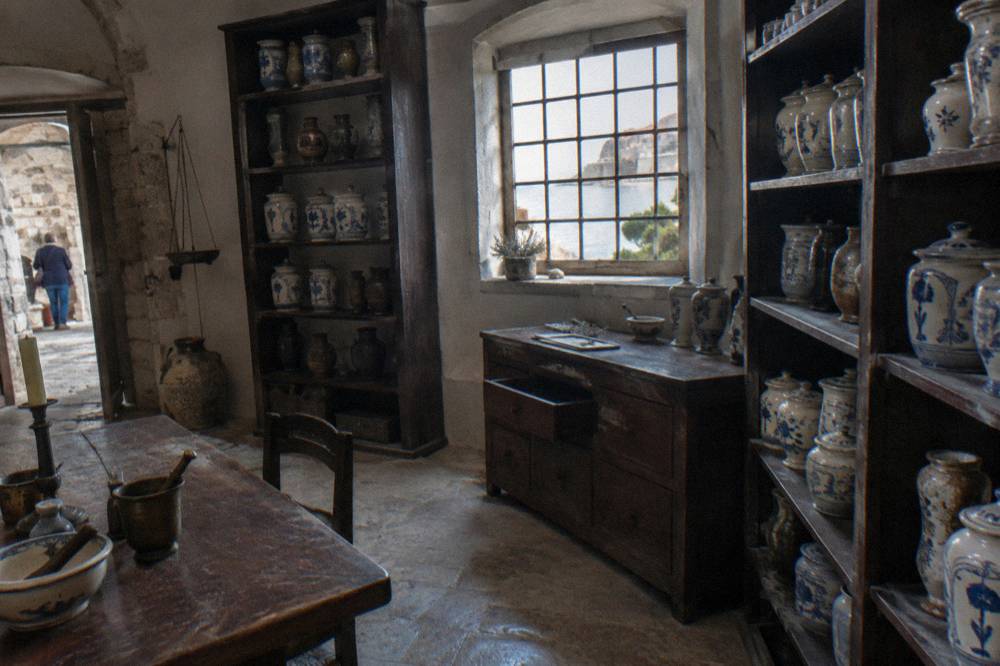
For most visitors the EUR 8 pharmacy and cloister ticket is a reasonable spend, but it is a choice rather than a must. The Old Pharmacy is one of the longest continuously working pharmacies in Europe, and the cloister is the complex's architectural centrepiece. If churches and monastic history are your reason for coming, the ticket earns itself; if not, the free nave covers the essentials.
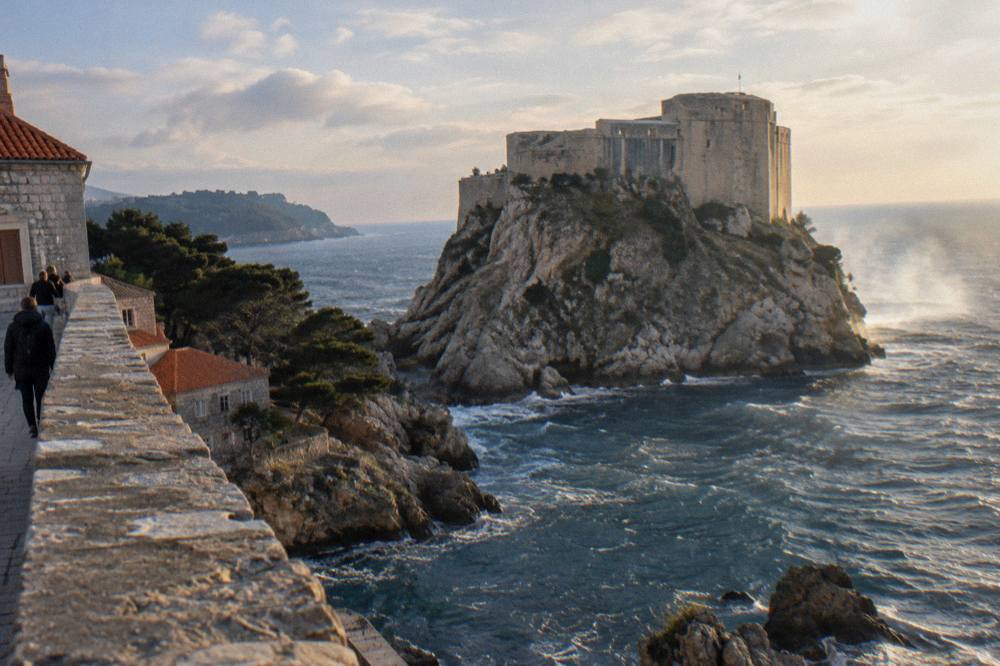
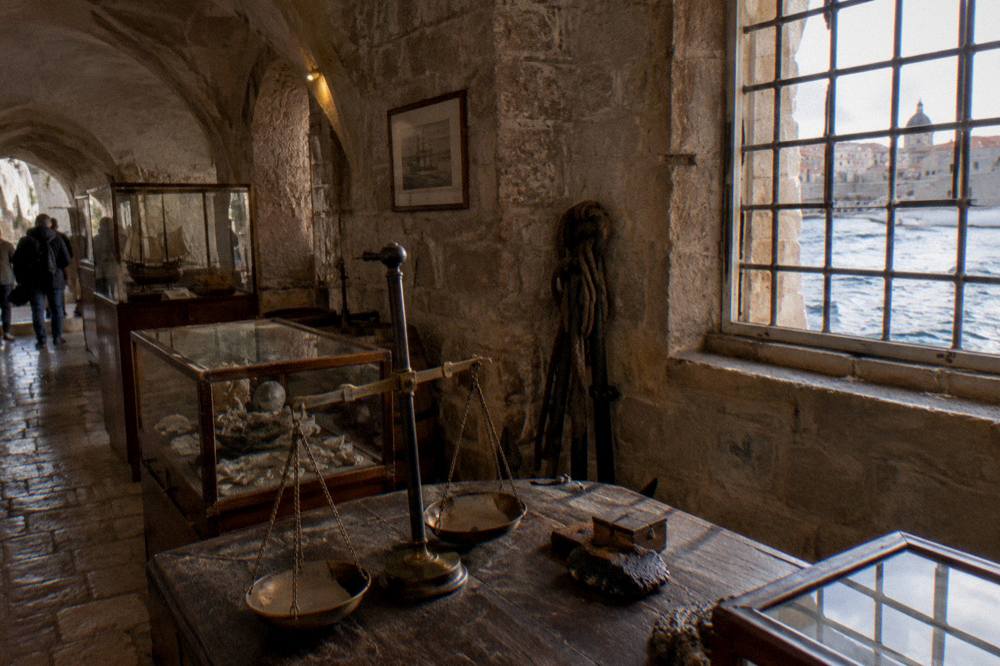
The honest framing is that the museum rewards interest. The pharmacy displays the vessels, scales and remedies of a dispensing tradition the friars have kept for centuries, and the cloister gives you the carved arcade that the street-front church does not. Visitors who care about that context rarely regret EUR 8. Visitors chasing a checklist often do. The museum is compact, and a thoughtful pass through it takes less time than a walls circuit, which is worth knowing if you are building a tight schedule around the Old Town.
There are ways to soften the cost. Children under 7 enter free, and the Dubrovnik Pass includes the museum alongside the City Walls and other sights, which makes the pass arithmetic work for anyone already buying a walls ticket in the main season, as laid out in the site's Dubrovnik Pass guide. The free museums guide lists the free-entry schemes across the city's museums, though the Franciscan museum is not part of the city museum network and follows its own rules.
The city museums, run by Dubrovnik Museums, grant free entry to children under 7, Dubrovnik-Neretva County residents, ICOM and HMD members and university students from October to June, and their only free evening is the Night of Museums on the last Friday of January. None of that applies to the friars' museum, which recognizes only its own under-7 rule and the pass. Checking which regime a building belongs to, before you queue for a discount that does not exist there, is a habit that pays for itself across a Dubrovnik trip.
How Many Minutes Does The Church Take?
A visit to the free church nave takes roughly ten to fifteen minutes at an unhurried pace, while the full complex with the cloister and Old Pharmacy museum takes about forty-five minutes to an hour. That makes the free stop a genuine between-things activity: short enough to slot between Stradun and Pile Gate, substantial enough to be worth the detour through the door.
The asymmetry is the useful part. Because the nave is free, there is no pressure to extract value from minutes spent. You can look, sit, and leave. The museum, by contrast, asks EUR 8 and rewards a slower pass through the cloister, so it belongs in a plan with time set aside rather than squeezed between other stops. Budget accordingly, especially in winter, when the 9:00 to 14:00 window closes earlier than you might expect and a late lunch on Stradun can eat the whole visiting afternoon.
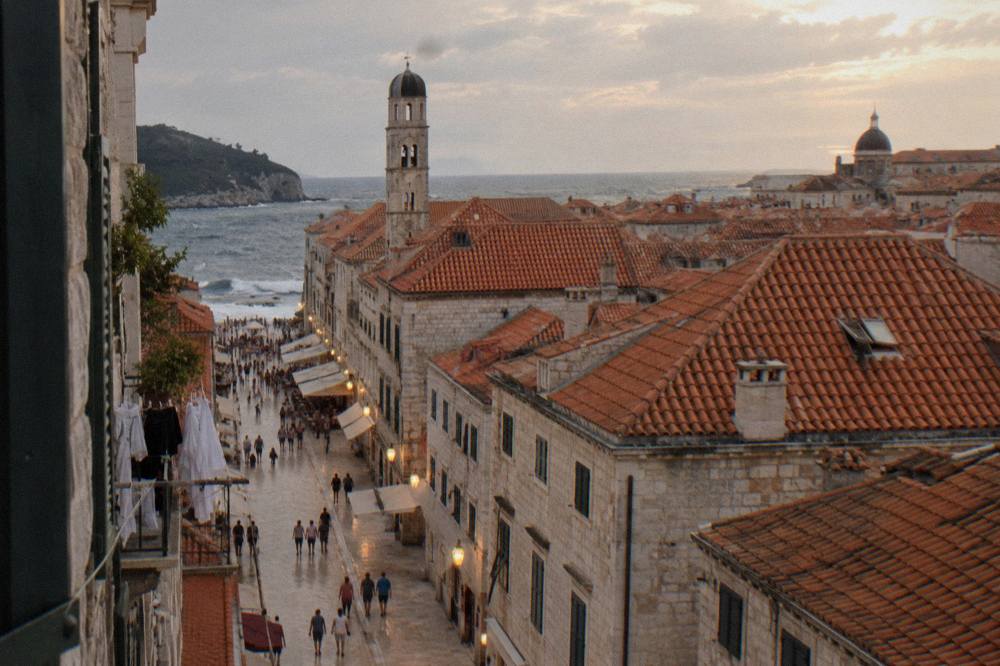
The church also sits inside a chain of free sights that work well as a single walk. From Pile Gate you can pass the Onofrio fountain, walk Stradun, see Luža Square and Orlando's Column, reach the Old Port and the Kase breakwater, and end at the Jesuit staircase, all at no cost, with the Franciscan church as an early stop on that line. The Stradun guide walks that spine in detail for anyone planning the route in either direction.
Pairing the stop with a walk makes the timing work naturally. The Pearl of the Adriatic walk, meeting at Pile Gate, 1 hour 45 minutes in English, is free, pay what you want on GuruWalk, rated 4.92 out of 5 across 5,844 GuruWalk reviews, and its meeting point sits at the end of Stradun the Franciscan complex occupies. This site's page on the Pearl of the Adriatic free walk has the meeting details.
Mistakes That Trip People Up At The Franciscan Monastery
The recurring mistakes are treating the whole complex as free, expecting the museum on a winter Sunday, assuming the Dubrovnik Pass is a winter saving here, and confusing the church with the city-run museums. Each error comes from merging two different regimes into one. The church is a parish church with no listed fee; the cloister and pharmacy are a friars' museum at EUR 8; the pass follows its own season.
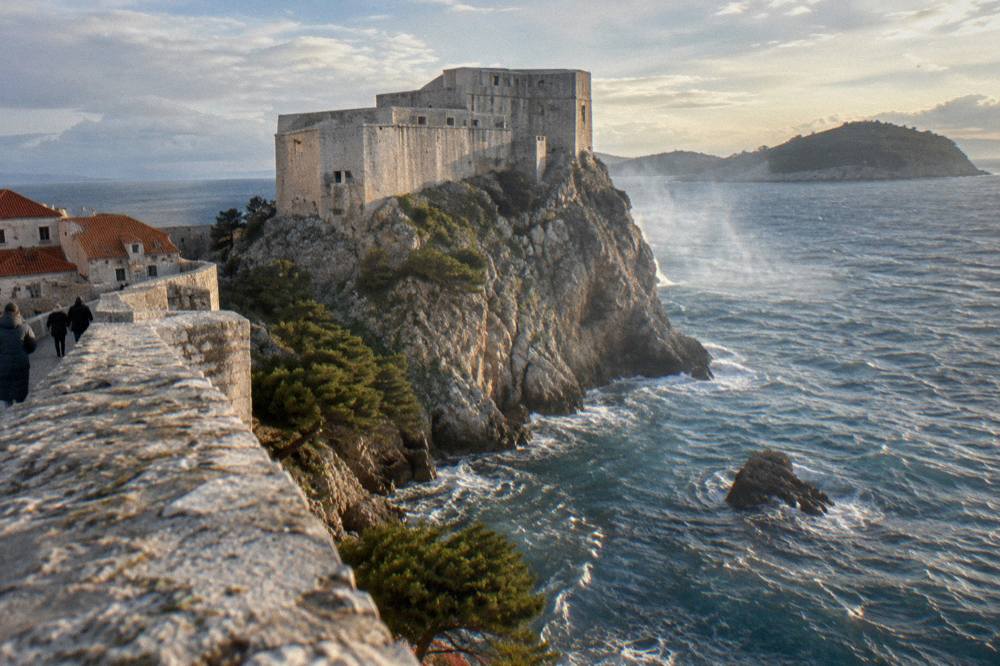
The first mistake is assuming the ticket covers nothing or everything. It covers the cloister and the Old Pharmacy, and nothing else, and it never buys the walls: the City Walls and Fort Lovrijenac are a separate EUR 40 adult ticket in the main season, EUR 20 in December and the winter months, with children 7 to 18 at EUR 15 in season and EUR 5 in winter, and children under 7 free. Conflating the friars' EUR 8 with the walls regime is a sure way to misplan a whole day's budget.
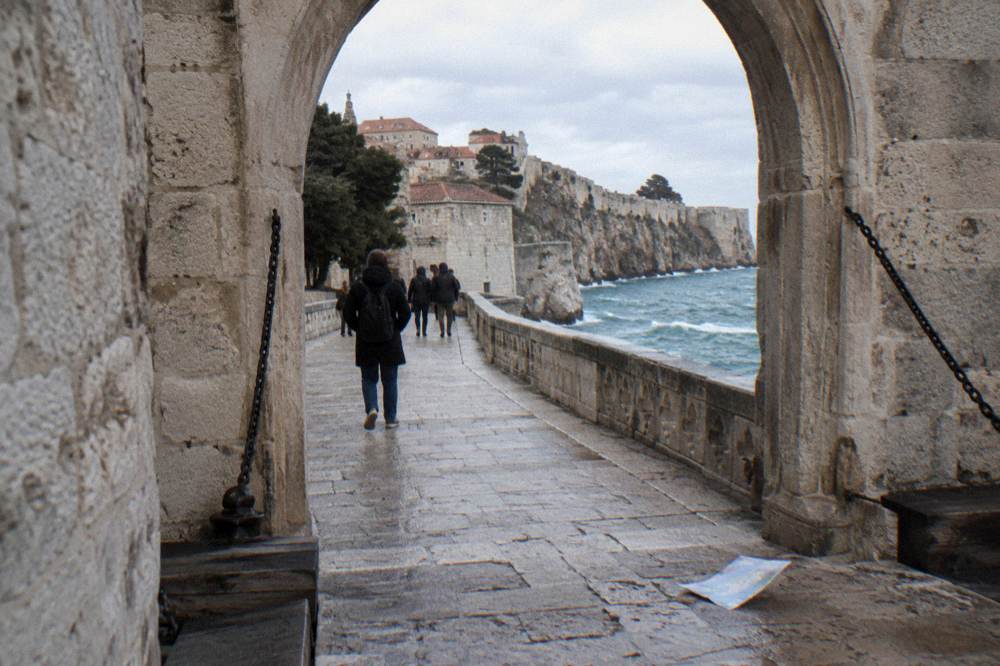
The second mistake is showing up on a winter Sunday, when the museum is closed but the parish church continues its own life. The third is buying a pass in winter for a museum that would cost EUR 8 anyway, when no winter pass is on sale. The fourth is expecting the city museums' free-entry list, county residents, students, ICOM members, to work at the friars' desk, where it does not. Slow down at the door, read which entrance you are standing at, and the errors disappear.
For a fuller treatment of the complex, including how it fits a budget day, the budget guide to free things in Dubrovnik is the companion page, and Free Things To Do In Dubrovnik is the site this article belongs to.
Common Questions On This Topic
Is The Franciscan Church In Dubrovnik Free?
Yes. The Franciscan church is a working parish church and its nave carries no listed entry fee. The adjoining cloister and Old Pharmacy museum are separate and ticketed at EUR 8 for adults, free for children under 7 and Dubrovnik Pass holders.
How Much Is The Franciscan Monastery Museum In Dubrovnik?
The cloister and Old Pharmacy museum cost EUR 8 per adult. Children under 7 enter free, and the Dubrovnik Pass is accepted. The friars set and collect the fee themselves, separate from the city museum network.
When Is The Franciscan Museum Closed?
From 1 November to 1 April the museum runs 9:00 to 14:00 and closes on Sundays. It is fully closed on 1 January and 25 December. The church nave, as a parish church, follows service times rather than museum hours.
Is The Old Pharmacy Included In The Church Visit?
No. The Old Pharmacy sits inside the ticketed museum zone with the cloister. The free visit covers the church nave only, and the pharmacy displays are part of the EUR 8 museum experience.
Does The Dubrovnik Pass Cover The Franciscan Monastery?
Yes, the Dubrovnik Pass includes the cloister and Old Pharmacy museum at no extra charge. The pass is sold for the 1 March to 30 November 2026 season, with no winter pass on sale, so in December and January the EUR 8 ticket applies.
Can You Visit The Franciscan Church On A Sunday In Winter?
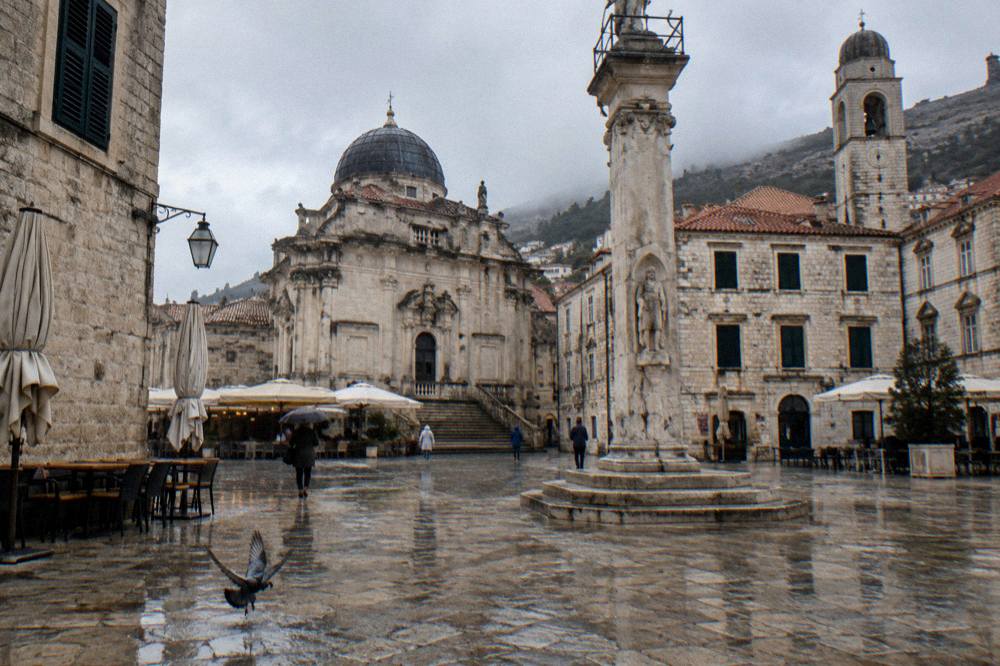
The museum is closed on Sundays from 1 November to 1 April, so the cloister and pharmacy are off the table that day. The church itself is a parish church and remains in use; treat a Sunday visit as a church visit, not a museum visit.