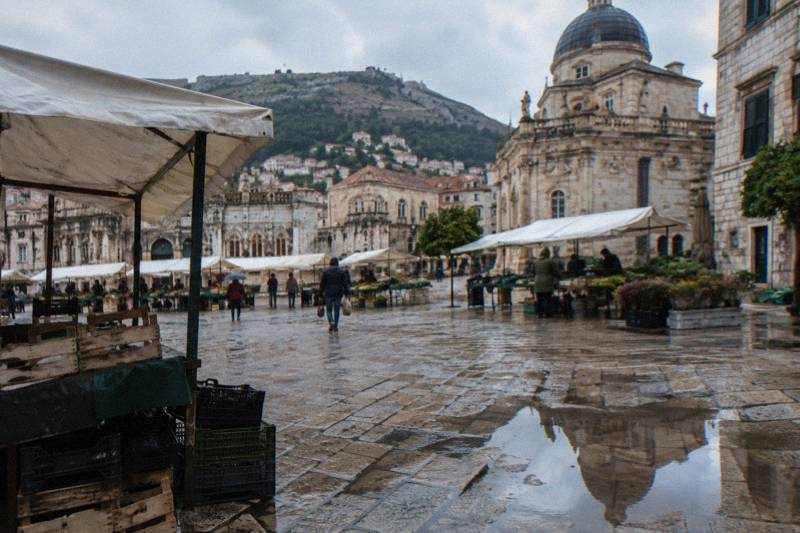
Is The Cavtat Promenade Free?
The Cavtat waterfront promenade is free to walk, and it is the only day trip from Dubrovnik with a genuinely free centrepiece. Here is what costs money around it.
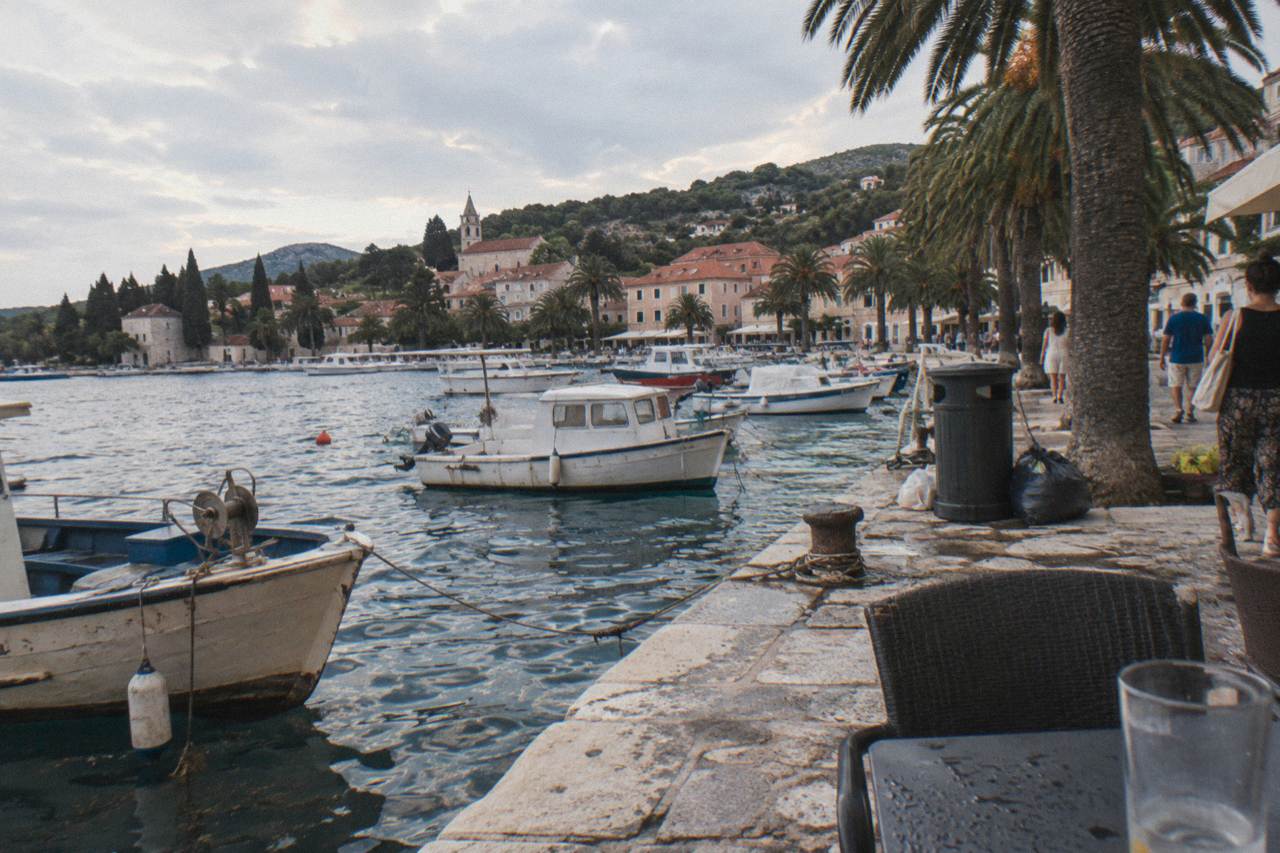
In Short
Yes, the Cavtat promenade is free. The waterfront walkway is an open public space with no gate, ticket or charge. Getting there is a paid day trip however you come, and the town's other sights sit outside that free core, but the promenade itself costs nothing. Of Dubrovnik's classic day trips, only Cavtat offers a free centrepiece: Lokrum is EUR 30, Trsteno Arboretum is EUR 10, and the City Walls are EUR 40 in main season.
This question sits inside the Cavtat day trip guide, which covers the town in full.
Quick Facts
| Question | Answer |
|---|---|
| Is the promenade itself free? | Yes, the waterfront walkway is an open public space |
| Is anything else in Cavtat free? | The Račić Mausoleum's entry status is not published here, so treat the promenade as the free core |
| What does the day trip cost? | Transport to Cavtat is paid however you travel; the promenade is the free part |
| Compare: Lokrum island | EUR 30 per person, including the return boat |
| Compare: Trsteno Arboretum | EUR 10 adult, EUR 7 child and student |
| Free dated events nearby | Feast of St Blaise on 3 February in Dubrovnik; Night of Museums on the last Friday of January |
Is The Cavtat Promenade Free?
Yes, the Cavtat promenade is free. The waterfront walkway is an open public space: there is no gate, no ticket booth and no charge to walk it, in contrast with nearly every other headline sight around Dubrovnik. The honest version of the answer carries one condition, which is that reaching Cavtat is a paid day trip, however you choose to travel, so the free part begins the moment you arrive and stand on the shore.
That split, free once you are there but paid to get there, is the single most useful thing to understand about Cavtat. It is also what makes the town unusual among Dubrovnik's day trips. Run down the list and the pattern is hard to miss. Lokrum island is EUR 30 per person, a price that includes the return boat, and it stays EUR 30 even if you arrive on your own boat, so the island's rocky shores can never be framed as a free swim. Trsteno Arboretum charges EUR 10 for an adult and EUR 7 for a child or student. The Dubrovnik City Walls, the sight most visitors assume anchors the region, are EUR 40 for an adult in main season, from 1 March to 30 November, and that same ticket covers Fort Lovrijenac across the bay. Against that backdrop, a waterfront you can simply walk onto is genuinely the exception.
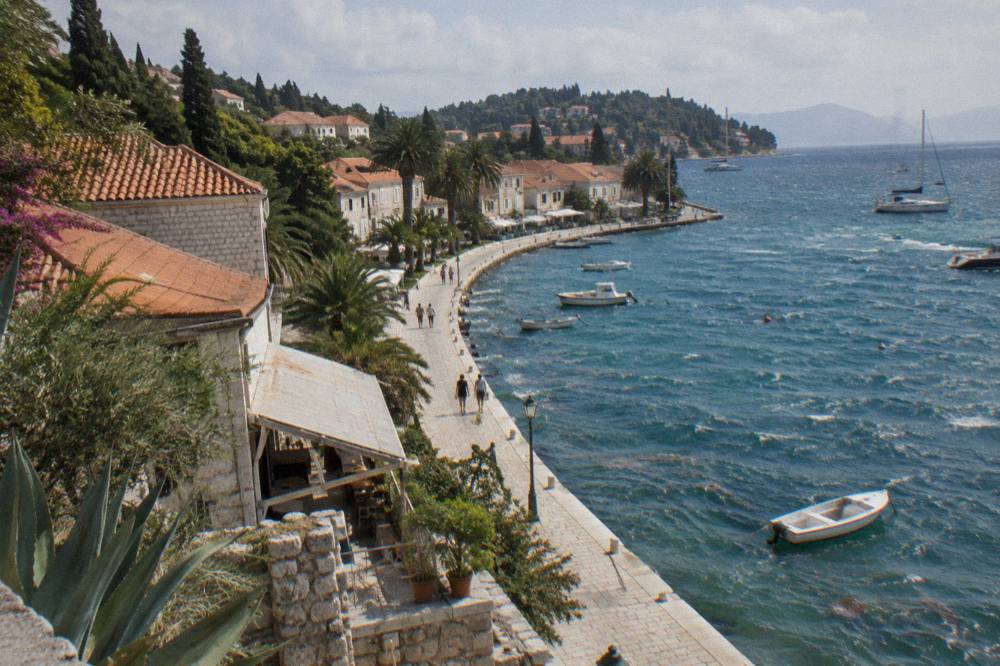
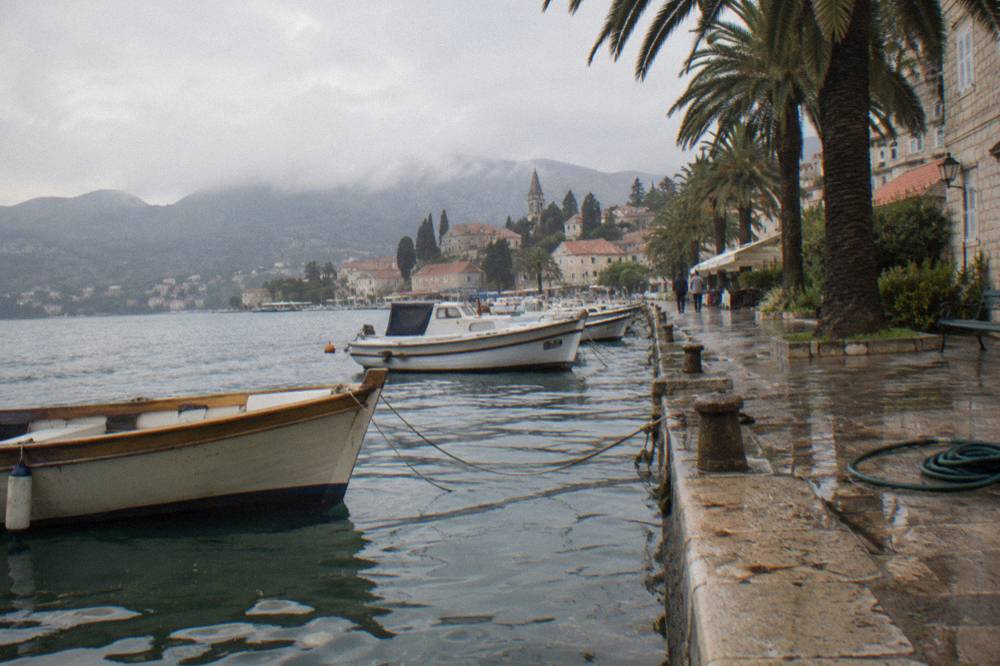
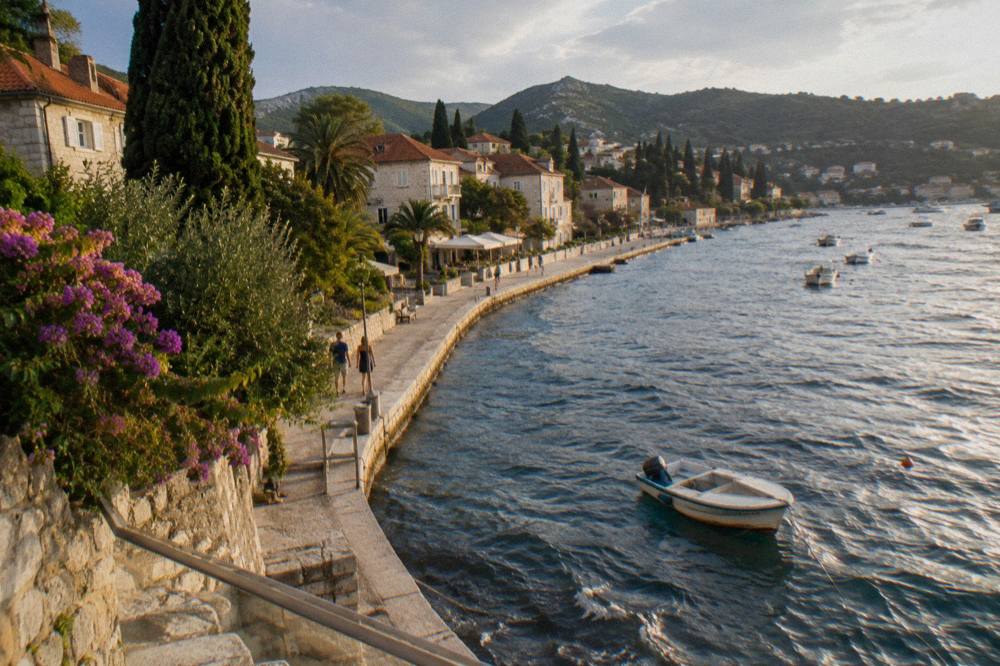
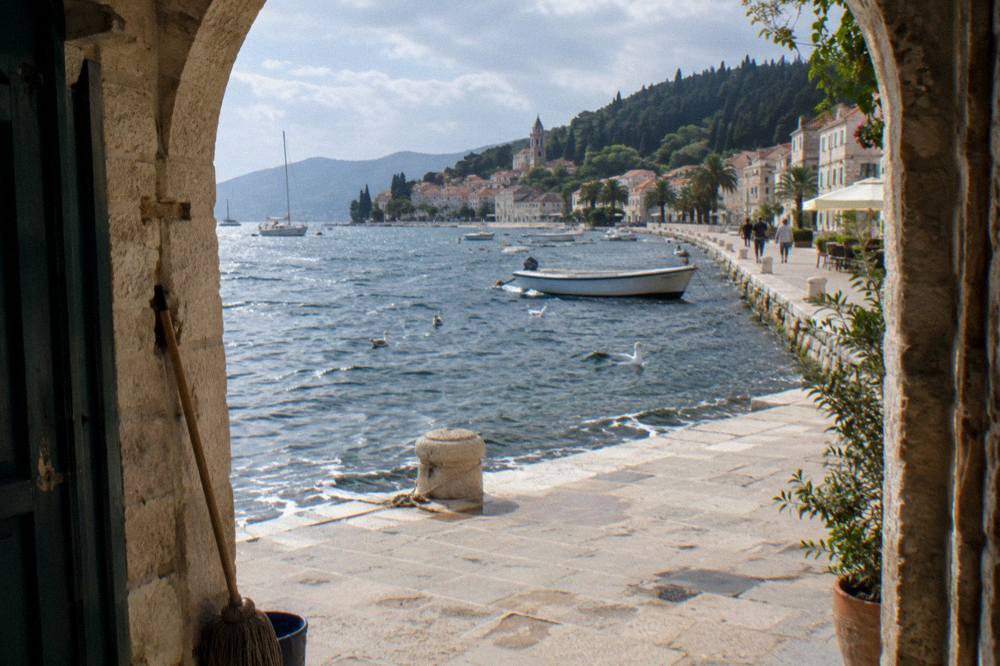
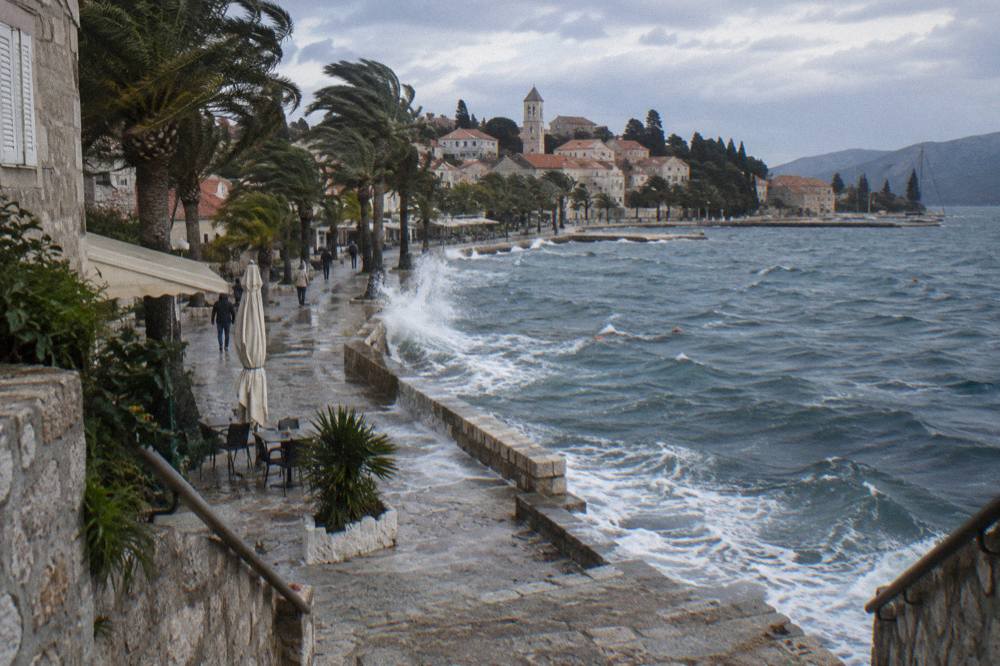
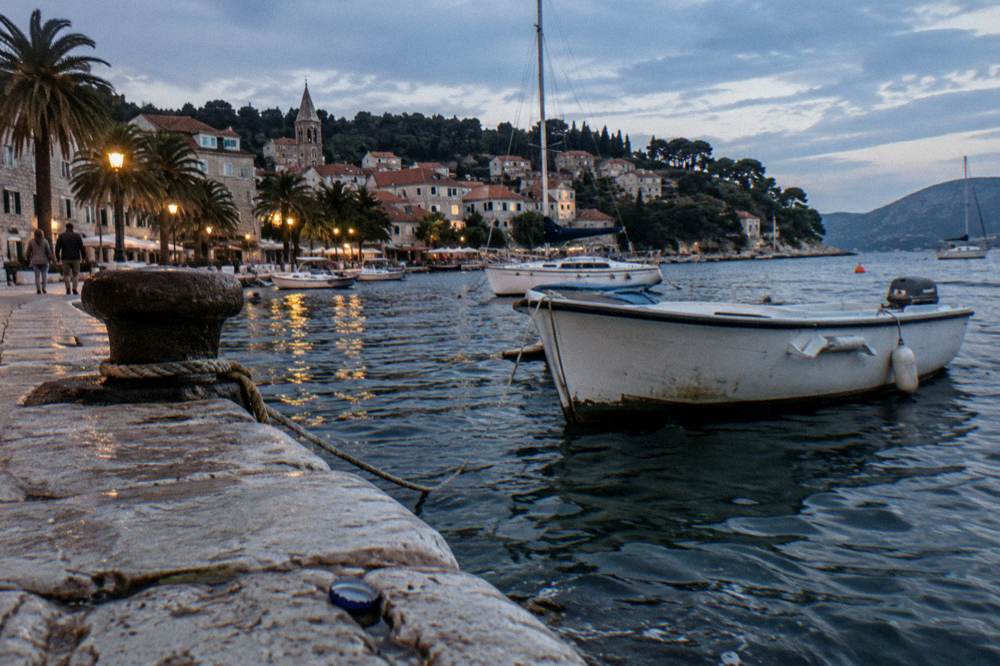
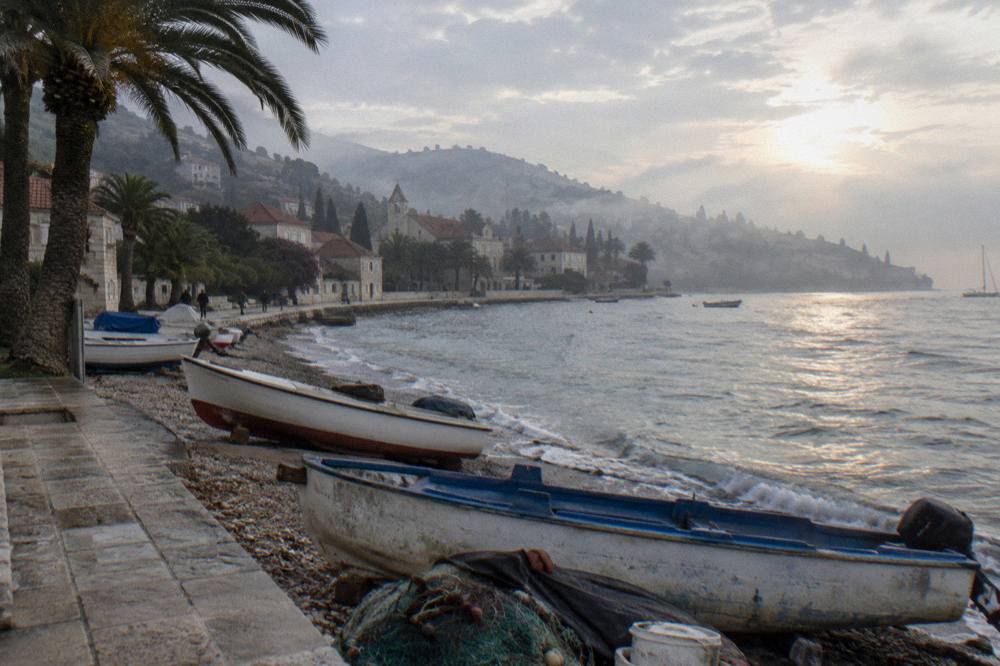
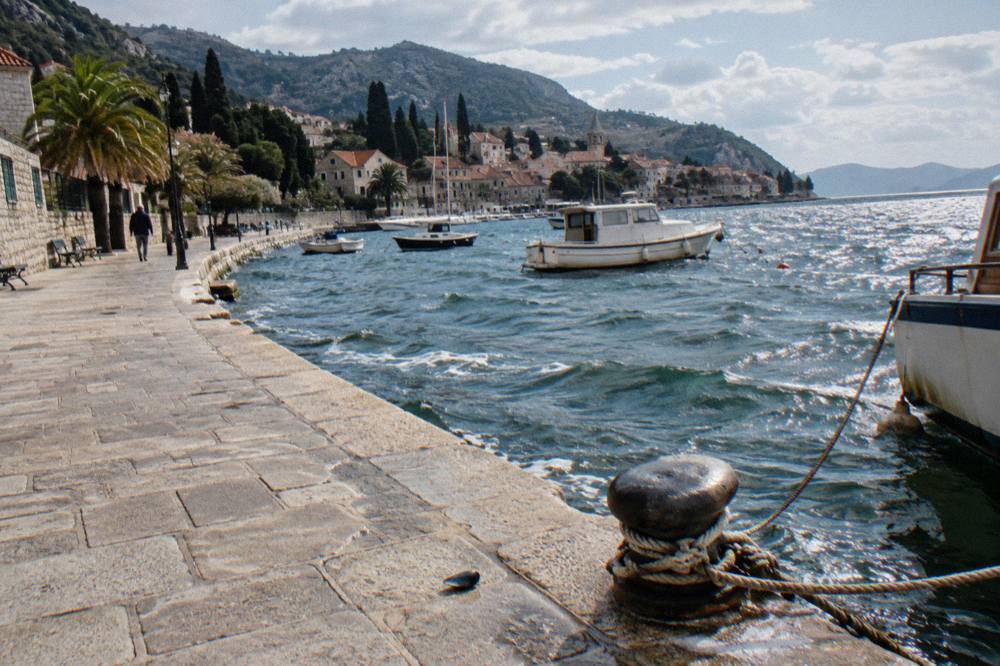
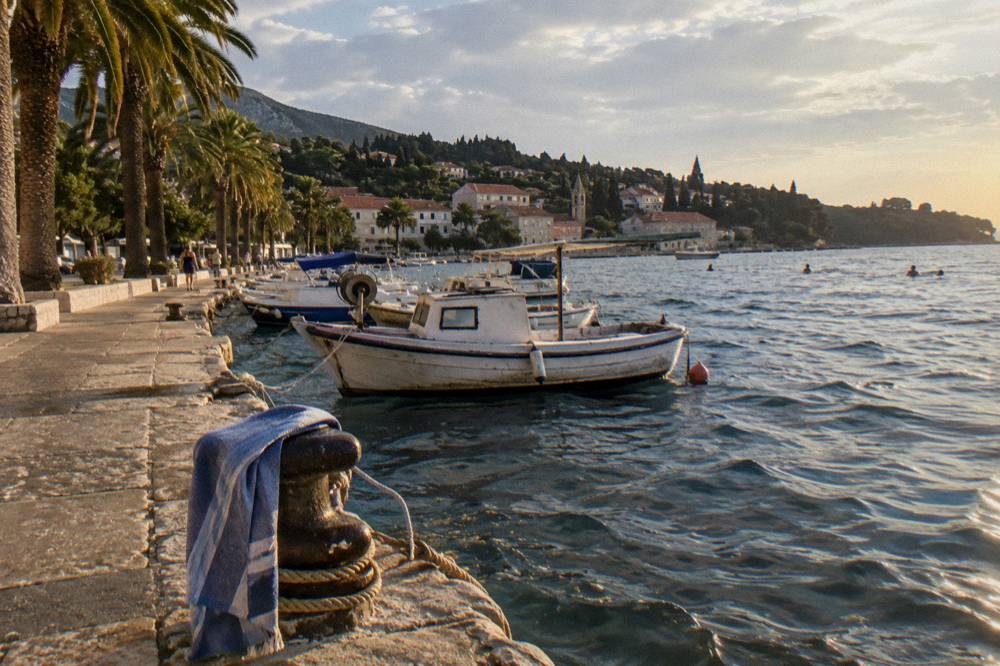
The promenade belongs to the category of open public space, the same family as Stradun, Pile Gate, Luža Square and the Onofrio fountains back in Dubrovnik's Old Town. Nobody collects money at the door because there is no door. The town wraps around a sheltered bay and the walkway follows the water's edge, past moored boats and the low rows of buildings that face the harbour. You can walk its length, pause wherever you like, and pay nothing for any of it. What you do pay for is everything that attaches to it: a coffee at a café table, a boat trip, a meal. The public surface and the commercial offers sit side by side, and the boundary between them is easy to see and easy to respect.
One caution on what surrounds the promenade. The Račić Mausoleum, the landmark that sits above Cavtat on its hill, appears on plenty of free-things lists, but its entry status is not settled, so do not count on free entry without checking first. Treat the promenade as the free core of the visit and let anything above the waterfront be a separate question you ask on the spot. The same discipline applies in reverse: nothing about the promenade carries a charge, so nobody should be selling you a ticket for it. If a listing offers a paid promenade tour, that is a service layered on top of a free public space, not the price of entry.
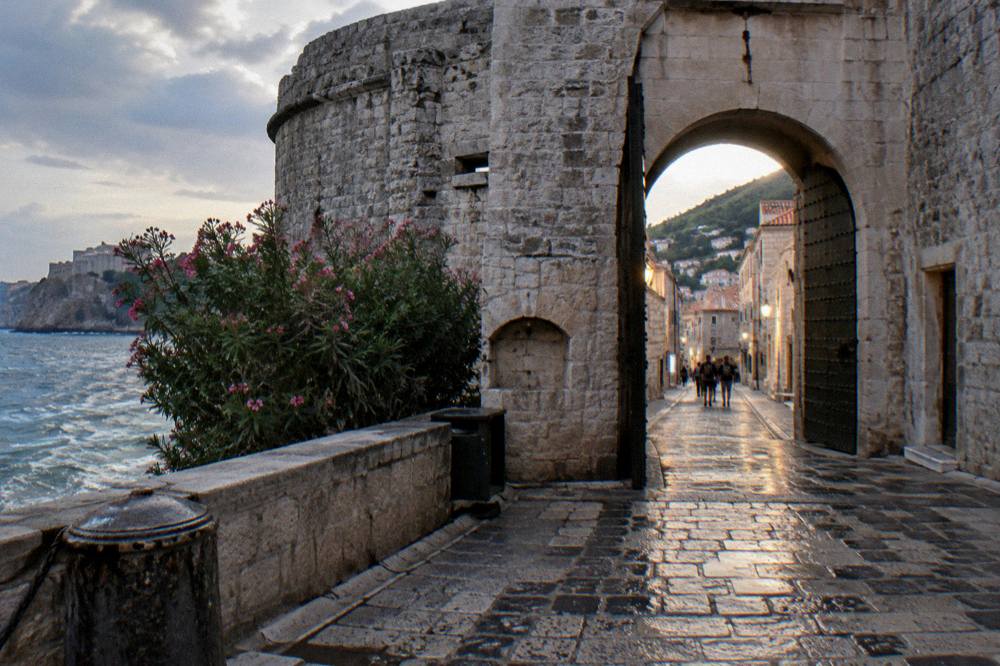
For readers planning a Dubrovnik stay that pairs the Old Town with a Cavtat excursion, the pairing works well on cost. Everything that makes the Old Town famous from the outside, walking beneath the walls, through Pile Gate and along Stradun, is free to see, as this site's Free Things To Do In Dubrovnik coverage sets out in detail, and Cavtat then extends the trip with a second free waterfront at no additional entry cost. The money in that itinerary goes to transport, food and, if you choose it, the walls ticket, not to the two things you will actually spend the most time doing: walking.
What Does The Promenade Include?
The promenade includes the public walkway along Cavtat's harbour front plus everything on it that belongs to the town: the shoreline, the bay, the moored boats and the building fronts facing the water, all free to walk past and look at. It does not include anything served to you, since every café table, boat seat and meal on that waterfront is a separate commercial offer.
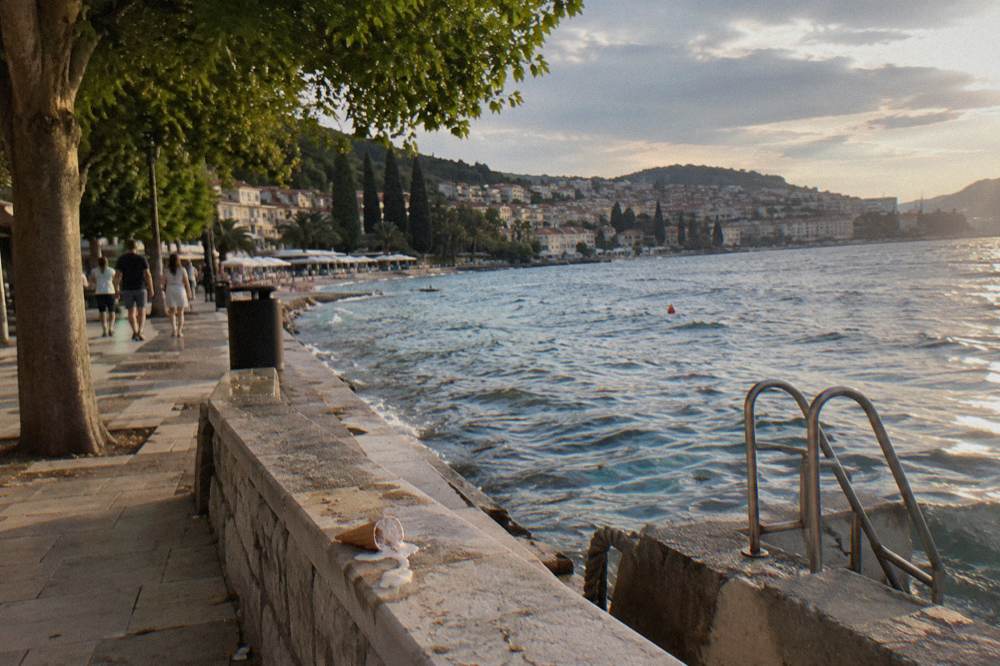
It helps to be precise about the boundary, because waterfronts blur it. The promenade is an open public space in the same sense as the Lapad promenade back in Dubrovnik, which is likewise free to enter and walk. The tables that line such walkways belong to the businesses that put them there. That is the same arrangement as the Buža cliff bars in Dubrovnik, which you reach through a public gap in the walls but whose seating exists for paying customers. Nobody chases you off the public surface for not buying anything, and nobody serves you at a café table for free either. Both halves of the arrangement are honest, and knowing where one ends keeps the budget honest too.
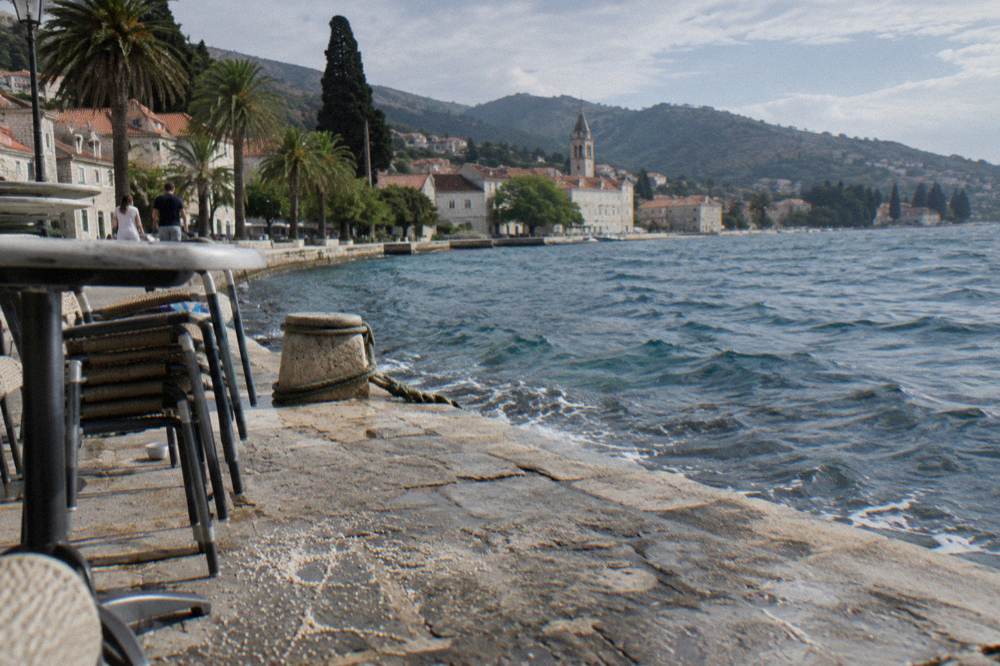
What the walkway gives you at no cost is the bay itself. Cavtat sits on a sheltered stretch of coast, and the promenade's line follows the water, which is the whole reason it works as a free attraction: the thing you came to see, the meeting of a small town and its harbour, is visible from a public surface. There is a useful comparison with Banje Beach in Dubrovnik, where swimming is free from the public beach while the sunbed area belongs to the beach club, with sunbeds at EUR 30, umbrellas at EUR 10 and towels at EUR 5. Cavtat's promenade has the same shape of arrangement with calmer commercial pressure: the public walk is free, and everything priced sits clearly inside somebody's premises.
It is worth saying what this article will not claim, because day-trip lists are quick to inflate. No route beyond the promenade is described here, no walking times, and no claim about what the town holds above the waterfront, beyond the Mausoleum note already made. What is settled is the promenade's own status. The fuller picture of the town, including everything that is not free, lives in the Cavtat day trip guide.
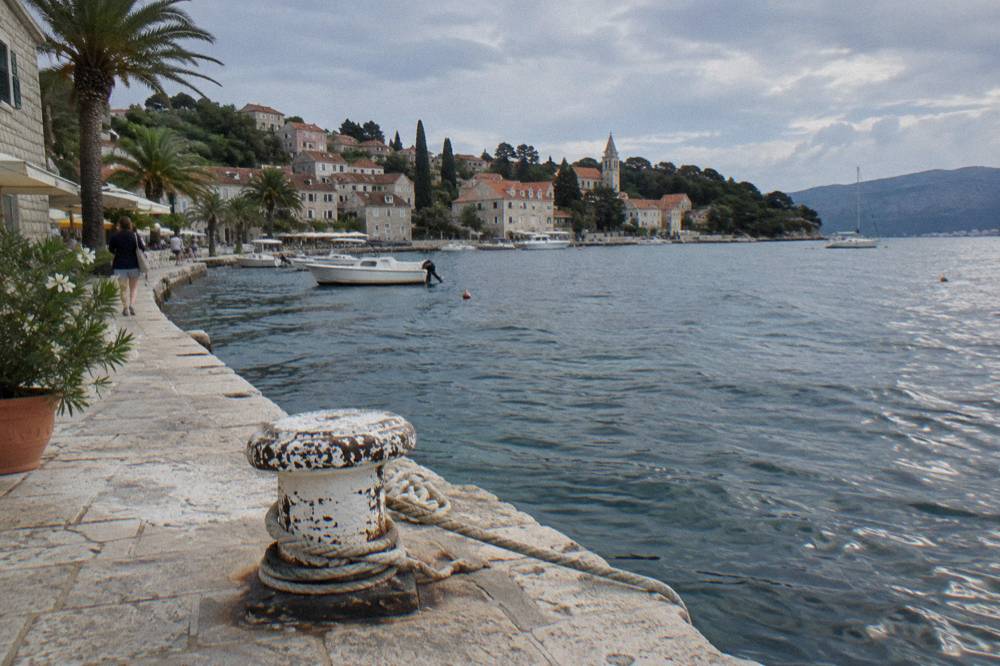
Before the trip, or after it, the free walking tours back in Dubrovnik fill the same budget slot that the promenade does: something real and unpaid. All of the walks on this site's list of walks run on GuruWalk, free with pay what you want, and the Old Town history walks are the natural companion to a Cavtat day. The trio below is a good starting shortlist.
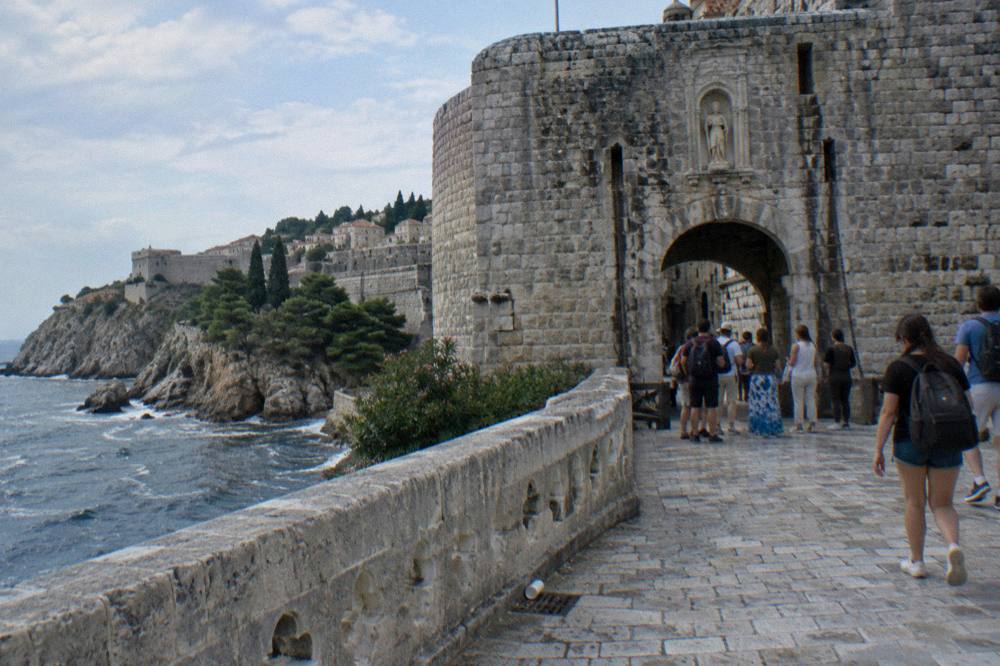
Of the three, the Pearl of the Adriatic Walk is the one with the deepest review pool, rated 4.92 out of 5 across 5,844 GuruWalk reviews, meeting at Pile Gate for 1 hour 45 minutes in English. Ancient Old City, 1 Hour 45 also meets at Pile Gate, rated 4.85 out of 5 across 2,294 GuruWalk reviews, and Mario's History Walk meets at the Amerling Fountain for 1 hour 15 minutes, rated 4.83 out of 5 across 29 GuruWalk reviews. Each is free to join, with the amount given left to the walker, and none of them is a substitute for the Cavtat walkway, they are the Dubrovnik half of a two-waterfront day.
How Do You Reach Cavtat?
Reaching Cavtat is the paid half of the trip: whatever mode you choose, the journey is a commercial service, and no transport option to the town is free. The promenade's free status starts on arrival. This article does not print fares or timetables for the connection, because no verified schedule figures are published here, so check the current service before you commit to a day.
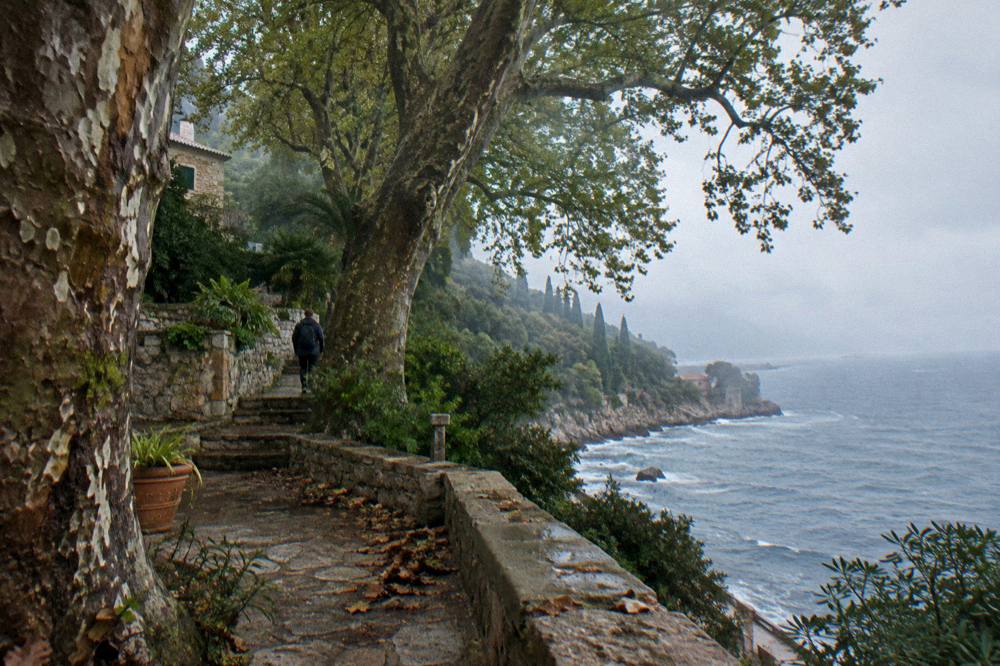
The reason for that caution is simple. Transport details change constantly, and a fare or a sailing printed today can be wrong by the weekend. What is settled, and worth planning around, is the structural fact: Cavtat is a day trip from Dubrovnik, not a district of it, so the journey is a real cost that belongs in the budget alongside lunch. Travellers who read "free promenade" and mentally book a free day out will get the arithmetic wrong. The correct framing is a cheap day out, with one paid leg there and back, and a centrepiece that costs nothing once you are standing on it.
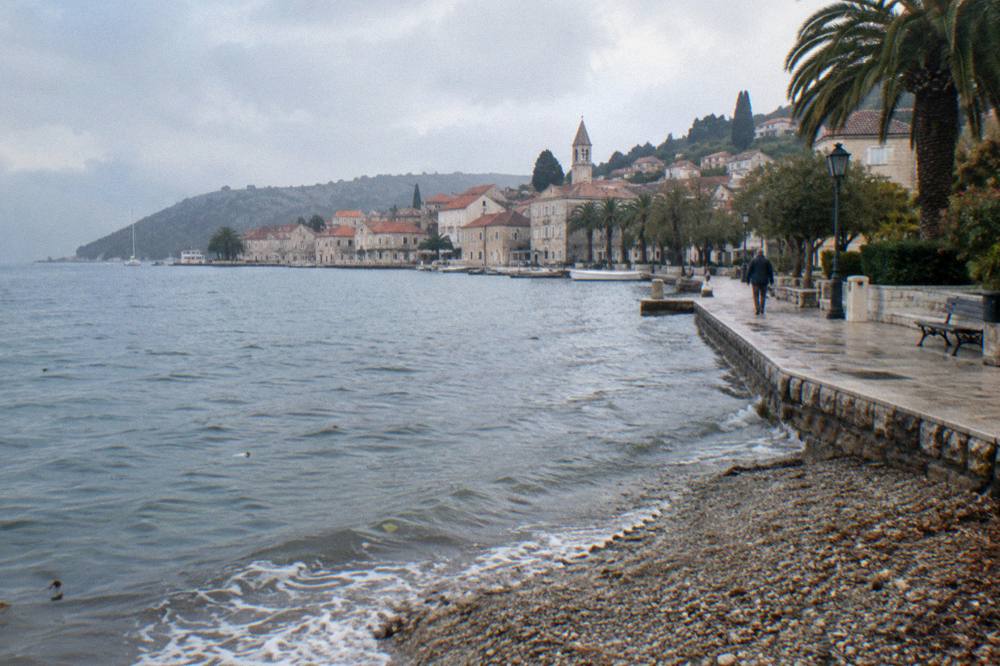
That framing also sets expectations for the trip's rhythm. A day trip built around a free waterfront is a slow day: you walk the promenade, you sit where it suits you, and the money you spend is discretionary rather than compulsory. Compare that with a day trip to Lokrum, where the EUR 30 charge is per person and applies even if you arrive by your own boat, or Trsteno at EUR 10 an adult, and the shape of the value becomes clear. Cavtat is the day trip where the essential experience, walking the harbour front, is the free part, and the optional parts are the paid ones.
Winter timing changes the picture across the whole region, though not the promenade's status. The Dubrovnik Cable Car, EUR 30 return or EUR 17 one way for an adult, closes from December to March, and War Photo Limited in the Old Town shuts from November to March. The City Walls ticket drops to EUR 20 for an adult from 1 December 2026, with children 7 to 18 at EUR 5, but no 2027 prices are on sale yet, so nothing about next season can be stated. Advent in Dubrovnik runs 28 November 2026 to 3 January 2027 with the main concert programme on Stradun, per the official destination page at visitdubrovnik.hr, which states no entry fees, so the programme is never described here as free. None of that touches Cavtat's walkway, which carries no season, no hours and no price.
If the trip starts from a Dubrovnik base, the morning before departure has a free option of its own. Walk With Baka, 1 Hour 30 is a local stories walk on GuruWalk, rated 4.93 out of 5 across 75 GuruWalk reviews, meeting at the Amerling Fountain and running 1 hour 30 minutes in English, free with pay what you want.
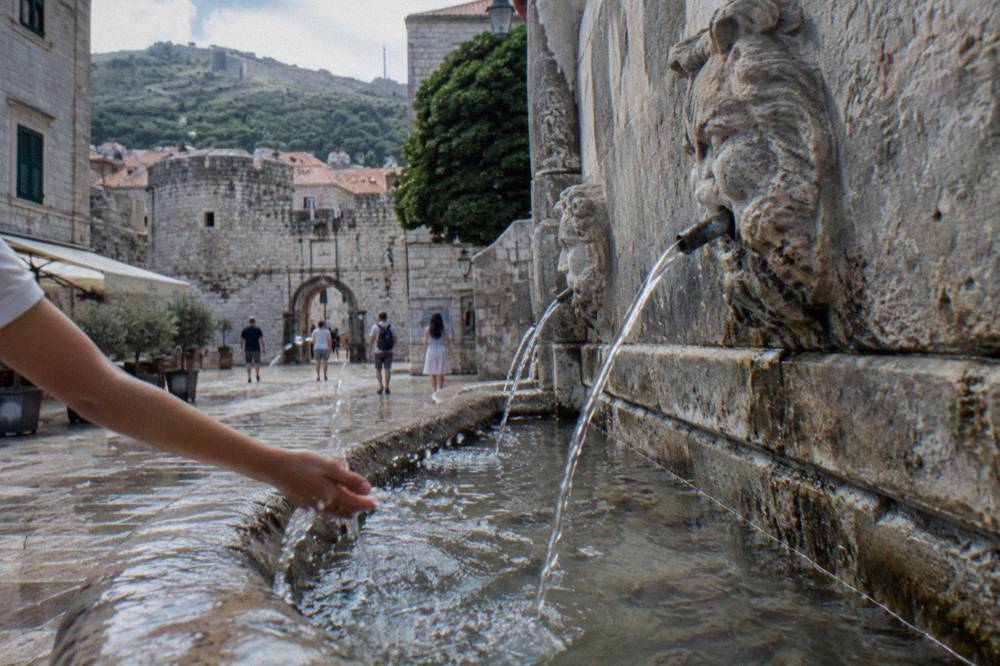
It is a short walk by design, which is what makes it realistic on a departure morning, and its meeting point at the Amerling Fountain sits inside the Old Town's free public core, so the walk up to that point costs nothing either.
Is Cavtat Easy To Do On Your Own?
Yes, and that is the point of it. The promenade needs no guide, no booking and no ticket, because the experience is a public walkway you step onto freely, so independence costs nothing here. The parts of a Cavtat day that need planning are the paid ones, the journey and anything you eat or drink, while the free core simply exists when you arrive.
Independent travellers sometimes worry that a town visited mainly on excursions must be hard to navigate alone. Cavtat inverts that worry. The excursion version of the town bundles transport with commentary and sells the package; the independent version keeps the transport, drops the commentary and walks the same waterfront for nothing. The gap between those two is the guide's fee, and on the promenade itself there is no guided content that a visitor is required to buy. Whether a guided day adds value is a matter of taste. Whether it is necessary is not: it is not.
There is a comparison worth making with Dubrovnik's own sights, because independence is not always free there. Walking beneath the City Walls, through Pile Gate and along Stradun is free, but the walls circuit itself, one ticket with Fort Lovrijenac and Minčeta Tower, is EUR 40 for an adult from 1 March to 30 November 2026 and EUR 20 in December and the January to February window, with children under 7 not paying and children 7 to 18 at EUR 15 main season or EUR 5 in winter. The ticket allows one tour with no re-entry. So in Dubrovnik the most famous walk in the city is a paid one, while in Cavtat the most famous walk in the town is free. A budget itinerary that does both pays for one and not the other.
Museums sharpen the contrast further. Dubrovnik Museums charge admission, Rector's Palace at EUR 15, the Maritime Museum at EUR 10, the Ethnographic Museum Rupe at EUR 8 and Revelin at EUR 5, with a 10-museum ticket at EUR 20 valid seven days. Free entry applies only to children under 7, Dubrovnik-Neretva County residents, ICOM and HMD members and university students from October to June, and the one free evening in the calendar is the Night of Museums on the last Friday of January, from 18:00 to 1:00. Cavtat's promenade asks none of those questions. There is no age threshold, no residency rule and no membership card, because there is no desk at which to show one.
One practical note that applies wherever the day takes you in this region: the City's public-order decision bans wheeled transport carts without soft inflated tyres in pedestrian zones, which include the whole Old Town and the Lapad promenade, per the consolidated text on dubrovnik.hr. The text never uses the word suitcase, and no fine for suitcases is stated here. The rule matters for anyone planning to shop or haul bags through pedestrianised streets, and it is the kind of local detail that independent travellers meet first, since they have nobody handling logistics for them. In Cavtat, the same ordinary courtesy applies as anywhere on a public walkway.
Which Free Walk Fits Before The Trip?
The free walks that pair best with a Cavtat day are the local stories walks on GuruWalk, short, free with pay what you want, and based at meeting points inside Dubrovnik's Old Town, so they slot into the morning before you travel. The Free Spirit Local Stories Walk is the natural pick among them, rated 4.94 out of 5 across 2,029 GuruWalk reviews, meeting at Orlando's Column for 1 hour 45 minutes in English.
The logic of a pre-trip walk is timing. A day trip to Cavtat wants the middle of the day for the promenade and the journey on either side of it, which leaves a morning gap in Dubrovnik that is a waste to spend indoors. A free walk fills it with no fixed cost, and the amount given to the guide stays the walker's own decision. The walks in the Local Stories family suit that slot because they run short: When You Want To Walk, Better Walk With Baka takes 1 hour 30 minutes, History Walks With Mario takes 1 hour 15 minutes, and Free Spirit Dubrovnik takes 1 hour 45 minutes. The Old Town history walks run 1 hour 45 minutes to 2 hours, still workable, but with less margin.
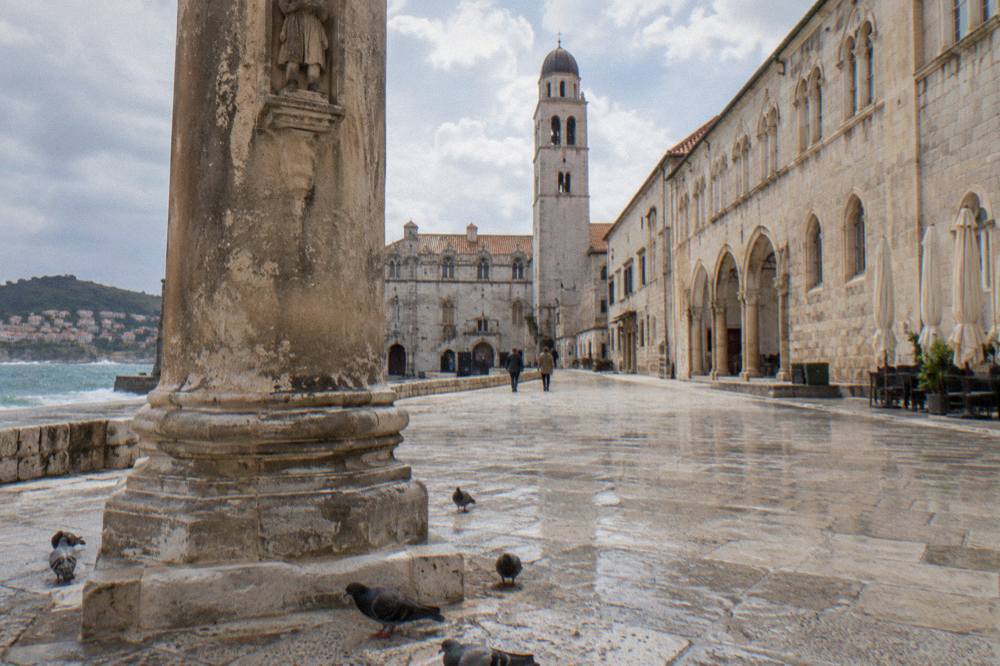
The Free Spirit walk's meeting point is worth knowing in itself. Orlando's Column stands on Luža Square, the open square at the eastern end of Stradun, and both the square and the column are free to see, part of the same open public core as Pile Gate and the Onofrio fountains. A walk that meets there begins inside a free sight, which is a neat summary of how Dubrovnik rewards a zero-budget approach: the stage is public and the walk upon it is free.
Readers who prefer the history family for their morning have real choices there too. The Old City Since 2018, 2 Hours walk, rated 4.98 out of 5 across 1,302 GuruWalk reviews and meeting at the Nautika Restaurant, and the History and Culture, 2 Hours walk, rated 4.91 out of 5 across 837 GuruWalk reviews from Pile Gate, both cover more ground in more time. The question of what to tip on any of them is its own subject, covered separately in how much to tip on a Dubrovnik free walking tour, and the short version is that every walk on GuruWalk is free to join with the amount left entirely to the walker.
Pairing the pieces makes a coherent free-first day: an open Old Town morning, a free walk with a local guide, a paid transfer, and a free promenade at the far end. Two of the four biggest elements cost nothing, which is a better ratio than almost any other itinerary in the region. For readers who want the fuller framework, whether the Old Town itself is free answers the Dubrovnik half of that equation in detail.
Mistakes That Trip People Up At The Cavtat Promenade
The mistakes are predictable and avoidable: assuming the whole day trip is free because the promenade is, expecting the town's other sights to share its free status, planning the visit around unverified details, and misreading which costs belong to Cavtat and which belong to the Dubrovnik leg. Each one turns a cheap day into an unexpectedly billed one, and each is easy to avoid with the facts straight.
The first mistake is budgeting the trip as free end to end. The promenade is free; the day is not. Transport is a paid service, food and drink are paid, and anything beyond the walkway carries its own price or an unpublished one. The traveller who carries money for the journey and nothing else has the arithmetic backwards. Set the budget around the transfer and a meal, and let the promenade be the part that costs nothing, which it reliably does.
The second is assuming the Mausoleum is free because lists say so. Its entry status is not published as fact here, and inflating it to free would be exactly the error this site exists to prevent. The same discipline governs the region's famous "free" claims: nothing about the City Walls circuit is free, the walls and Fort Lovrijenac are one EUR 40 ticket in main season, Lovrijenac is not a free add-on, and the Western Outer Wall closes from December to February. The Franciscan church in Dubrovnik is free to enter while its cloister and Old Pharmacy cost EUR 8, closed Sundays in winter. Free and paid sit closer together in this region than anywhere else on the Adriatic, and precision is the whole game.
The third is planning from stale or invented details. No 2027 walls price exists to state, no winter Dubrovnik Pass is on sale, and the Advent programme's entry status is unstated by the official page. Transport schedules to Cavtat belong in the same category of fast-moving facts: check them close to the date, not from an article, including this one. The fourth mistake is spending the whole budget in Dubrovnik before the trip even starts. A walls ticket, a museum or two and a cable car ride can absorb the day's money before the free promenade ever appears, so decide in advance which paid sight, if any, earns its place, and keep Cavtat's free core as the anchor rather than the afterthought.
The end band below gathers the Old Town history walks in one place, useful if the Dubrovnik half of the day gets the guided treatment and the Cavtat half stays independent and free.
Common Questions On This Topic
Is The Cavtat Promenade Free?
Yes. The promenade is an open public space with no gate, ticket or charge, and it stays free regardless of season. The paid parts of a Cavtat day are the transport there and back and anything you buy on the waterfront, such as food, drink or a boat trip. Of Dubrovnik's day trips, Cavtat is the only one with a free centrepiece.
Is The Rest Of Cavtat Free Too?
Not necessarily, and only the promenade's status is published as fact here. The Račić Mausoleum's entry status is not settled, so plan for a possible ticket. Café tables and boat services along the waterfront are commercial offers. Treat the promenade as the free core and check anything above it on arrival.
Does Getting To Cavtat Cost Money?
Yes. Cavtat is a day trip from Dubrovnik, and the journey is a paid service whichever way you travel. No fares or timetables are printed here because no verified schedule figures are published, so check the current service before committing to a day. The free part of the trip begins on arrival at the waterfront.
How Does Cavtat Compare With Lokrum Or Trsteno On Cost?
Cavtat wins for a free centrepiece. Lokrum charges EUR 30 per person, including the return boat, and the same EUR 30 applies even if you arrive by your own boat. Trsteno Arboretum charges EUR 10 per adult and EUR 7 per child or student. Cavtat's promenade charges nothing once you are there.
Can You Pair The Promenade With A Free Walk In Dubrovnik?
Yes, easily. Free, pay what you want walks on GuruWalk run in the Old Town in the morning, from 1 hour 15 minutes to 2 hours, with meeting points at Pile Gate, the Amerling Fountain and Orlando's Column, all inside the free public core. Walk With Baka, 1 hour 30 minutes, rated 4.93 out of 5 across 75 GuruWalk reviews, fits a departure morning.
Is The Promenade Free In Winter?
Yes. An open public space carries no season, no hours and no price, so the promenade is as free in January as in July. Winter does change the wider region: the cable car closes December to March, War Photo Limited closes November to March, and the walls ticket drops to EUR 20 adult from 1 December 2026. None of that affects the walkway.