Dubrovnik On A Budget: What Costs Nothing And What To Skip
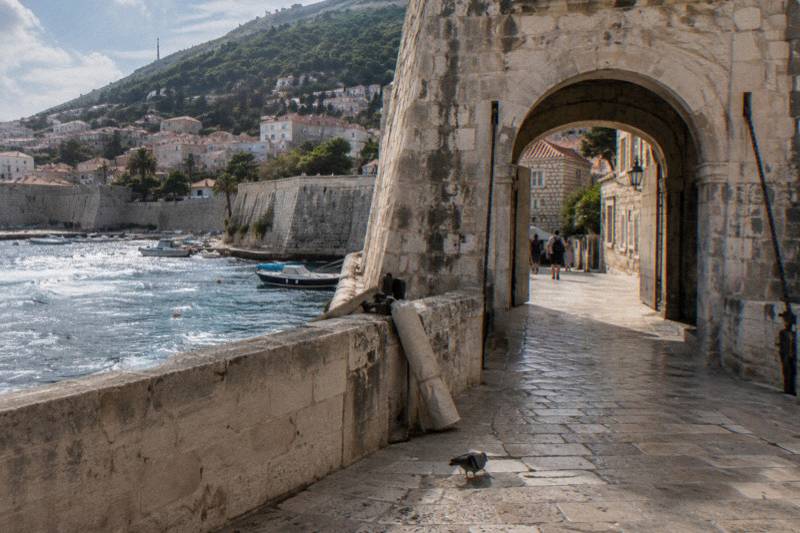
Dubrovnik has a reputation for prices, yet the part most visitors come for, the Old Town streets, gates and sea views, costs nothing to walk. This guide separates the free sights from the ticketed ones, with every price stated by season.
In Short
Walking Stradun, passing through Pile Gate, seeing the Old Port and swimming at Danče beach all cost nothing, and the Srđ zig-zag trail is free. The City Walls circuit with Fort Lovrijenac is one ticket at EUR 40 adult in main season, falling to EUR 20 in December and January to February. Free walking tours on GuruWalk are pay what you want, and Dubrovnik Cathedral's nave is free to enter outside Mass.
Part of the budget and costs guides on this site, this page covers the money side of Dubrovnik in full.
Quick Facts
| Question | Answer |
|---|---|
| What costs nothing? | Stradun, Pile Gate, Ploče Gate, Luža Square, the Old Port, the Srđ trail, Danče beach, the Cathedral nave outside Mass |
| What is the biggest paid sight? | City Walls with Fort Lovrijenac, one ticket, EUR 40 adult from 1 March to 30 November 2026, EUR 20 in December and January to February |
| Is there a free museum day? | No; the one free evening is the Night of Museums on the last Friday of January |
| What about walking tours? | Free, pay what you want, reserved on GuruWalk, with 13 free walking tours on GuruWalk in this list |
| Does the walls ticket include a second visit? | No, one tour with no re-entry |
| Do children pay for the walls? | Children under 7 do not; ages 7 to 18 pay EUR 15 in main season, EUR 5 in winter |
What Can You Do In Dubrovnik For Nothing?
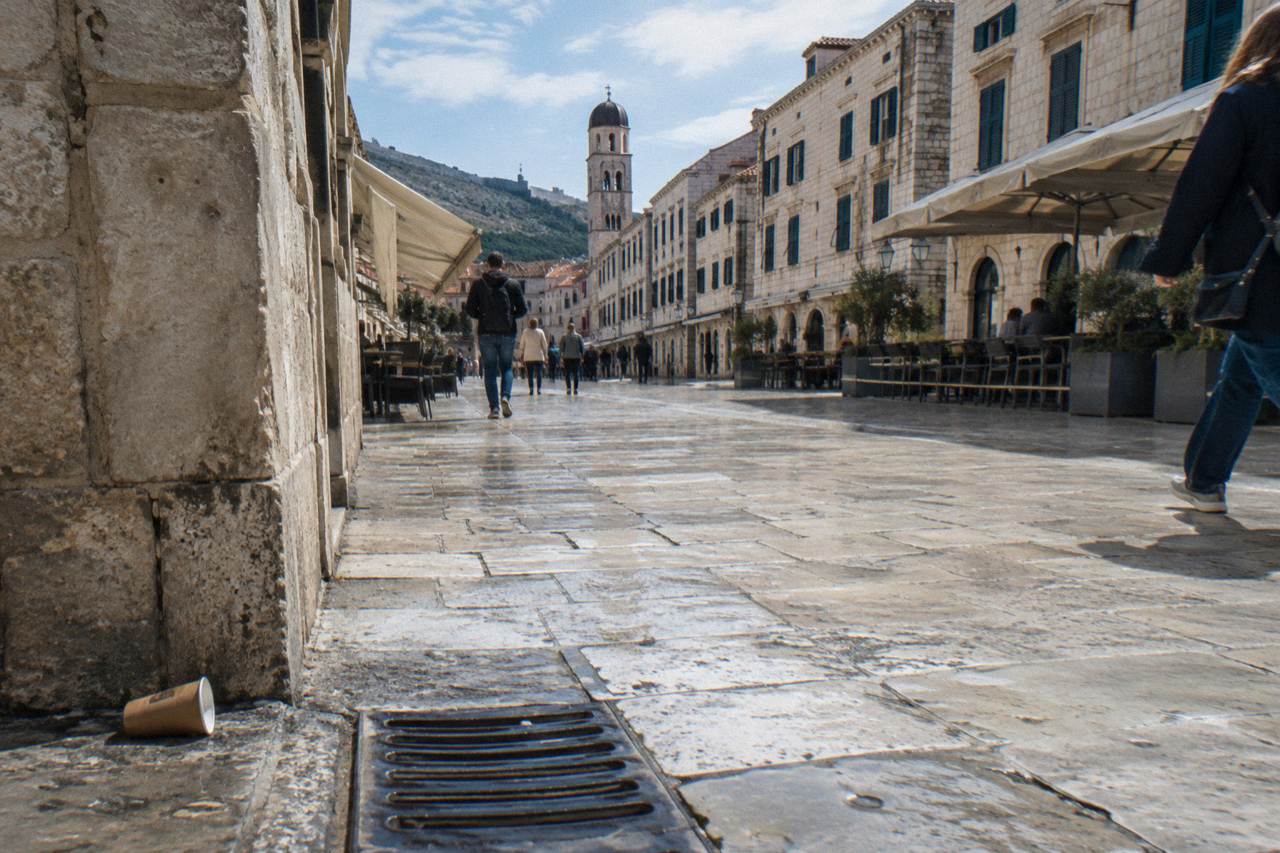
The honest answer is: the entire street level of the Old Town, its gates, its squares and its fountains, plus beaches, viewpoints and one mountain trail, all cost nothing to see. Stradun, Pile Gate, Ploče Gate, Luža Square, Orlando's Column, the Onofrio fountains, Gundulić Square and its morning produce market, and the Old Port are free to enter or see, with no ticket, pass or booking attached to any of them.
That list is not a consolation prize. It is the reason people come. The limestone of Stradun and the architecture that lines it, the gate arches at both ends of the Old Town, and the harbour framed by the Kase breakwater are the views that sell Dubrovnik in photographs, and every one of them is open public space. You can stand on Luža Square beside Orlando's Column, walk to Gundulić Square while the produce market is out (buying is paid, looking is free), and follow the narrow lanes down to the Old Port without spending a kuna's successor.
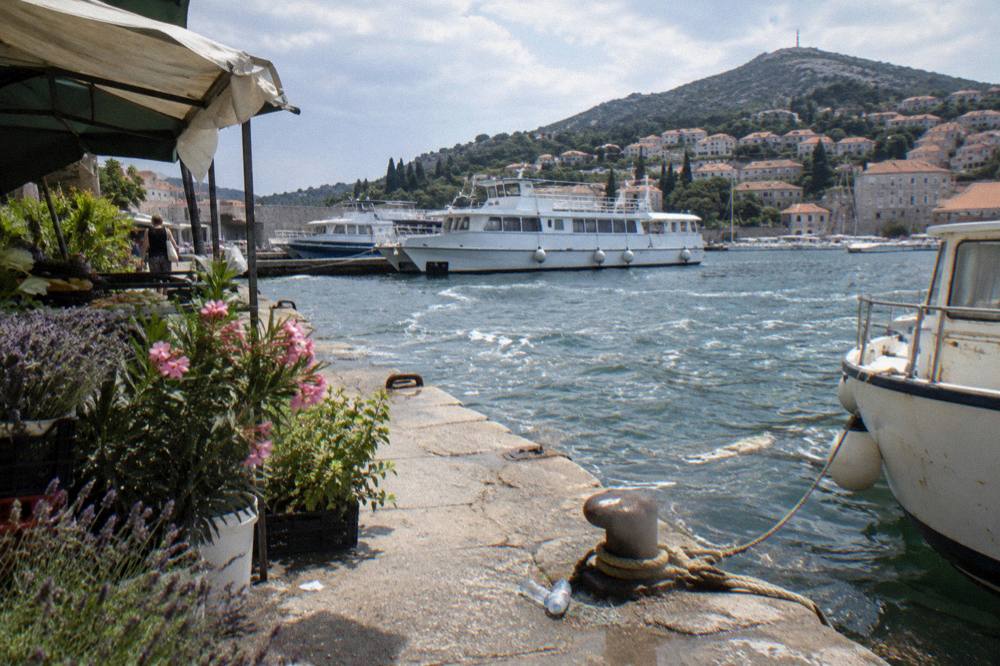
The split that matters is between the public floor of the city and the ticketed layer above and inside it. The streets, squares and gates belong to everyone. The walls circuit is a paid attraction run by the Society of Friends of Dubrovnik Antiquities, the museums inside the palaces charge admission under Dubrovnik Museums, and the cloister of the Franciscan Monastery costs EUR 8 even though the church beside it has no listed fee. Confusing the two layers is how budget travellers end up either overspending or thinking the city is closed to them.
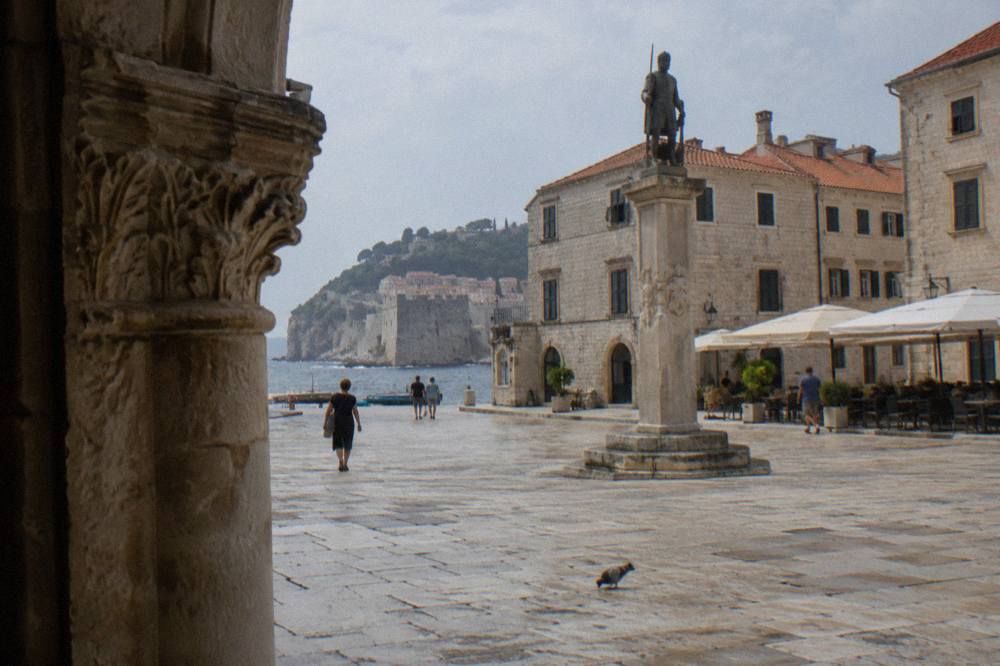
Religious spaces add a third category. The nave of the Dubrovnik Cathedral is free to enter outside Mass according to visitor guides, and St Blaise church is open for sightseeing outside services with no fee. The Franciscan church is a working parish church you can enter, while its cloister and the Old Pharmacy beside it are a museum. The pattern repeats across the city, so the practical habit on a budget is to ask, at each threshold, whether the thing in front of you is a street, a museum, or a church.
The full free inventory goes further than the Old Town. Gradac Park reopened on 16 September 2026 after its first full renovation since 1898 and is free to enter. The Lapad promenade is a free public walk. Gruž market and harbour cost nothing to wander. Above it all, the Srđ zig-zag trail is a free path to the top of the mountain, sitting beside a cable car that very much is not free. For a fuller treatment of the cold months specifically, the Dubrovnik in winter guide covers the seasonal picture.
Which Big Sights Charge, And How Much Do They Add Up To?
The big-ticket sights charge separately and add up fast: the City Walls with Fort Lovrijenac cost EUR 40 per adult from 1 March to 30 November 2026 and EUR 20 from 1 December through February, museums run EUR 5 to EUR 15 each, the Franciscan cloister is EUR 8, Lokrum with its boat is EUR 30, and the cable car is EUR 30 return, though children under 7 go free on the walls and the streets themselves cost nothing.
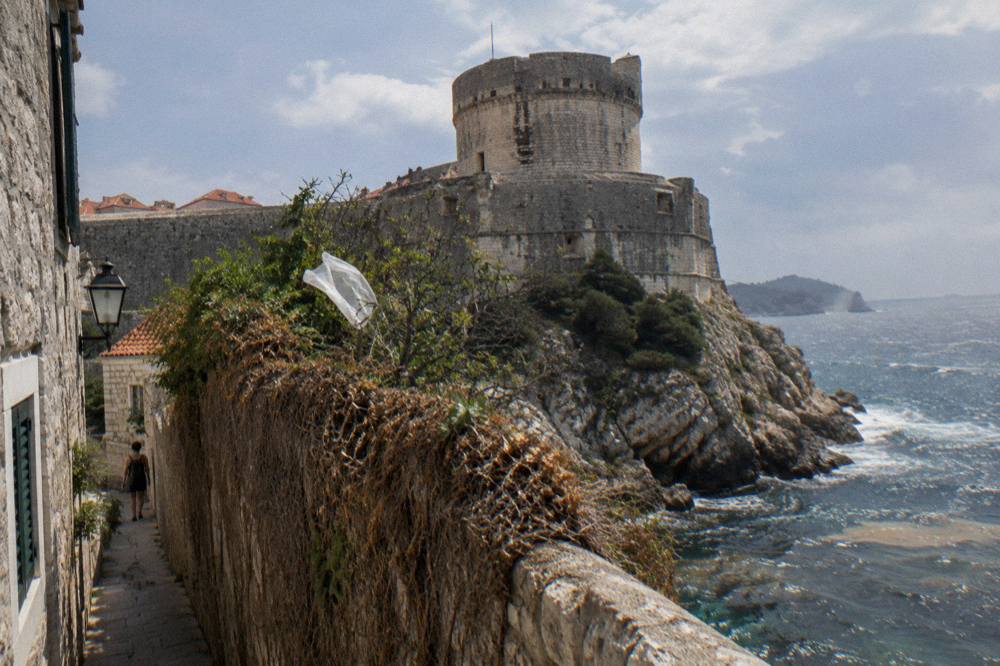
Start with the walls, because they are the item most lists get wrong. The ticket sold by the walls shop is a single product covering both the walls circuit and Fort Lovrijenac: there is no free walls option, no free add-on at the fort, and no second entry, since the ticket allows one tour with no re-entry. The walls shop's ticket page is where the seasonal prices live: EUR 40 adult and EUR 15 for ages 7 to 18 in the main season, dropping to EUR 20 and EUR 5 in the December-to-February window, with 2027 prices not yet on sale. The Western Outer Wall section is closed December to February.
The Dubrovnik Pass is the other paid bundle: EUR 40 for one day, EUR 50 for three days, EUR 60 for seven, priced for the 1 March to 30 November 2026 season, with no winter pass on sale. It bundles the walls, ten sights and buses, each site once. In main season the one-day pass costs the same as the walls ticket alone, so it only pays for itself if you visit bundled sights; in winter it cannot help you at all, because no pass is on sale while the walls ticket itself halves. The is the Dubrovnik Pass worth it question has its own breakdown.
Dubrovnik Museums prices, from the official museums site: Rector's Palace EUR 15, Maritime Museum EUR 10, Ethnographic Museum Rupe EUR 8, Revelin exhibitions EUR 5, and a 10-museum ticket at EUR 20 valid seven days. Free entry applies only to children under 7, Dubrovnik-Neretva County residents, ICOM and HMD members, and university students from October to June. There is no free museum day in the ordinary week; the Night of Museums on the last Friday of January, 18:00 to 1:00, is the one free evening. Winter hours run 9:00 to 16:00 with a different closing day per museum: Rector's Palace closed Monday, Ethnographic closed Tuesday, Maritime and Revelin closed Wednesday, and everything shut on Christmas, New Year and the Feast of St Blaise.
Beyond the museums and the walls, the paid list continues with clear conditions. The Franciscan cloister and Old Pharmacy cost EUR 8, closed Sundays from 1 November to 1 April with winter hours 9:00 to 14:00. War Photo Limited is EUR 10 in season and closed November to March. Lokrum is EUR 30 per person including the return boat, and the same EUR 30 applies even if you arrive by your own boat, so it is never a free swim. The cable car is EUR 30 return or EUR 17 one way, closed December to March, and Fort Imperial at the summit is a paid museum. Trsteno Arboretum is EUR 10 adult. The Cathedral Treasury is a separate ticketed room whose price is not published here.

| Sight | Adult price | Season notes |
|---|---|---|
| City Walls with Fort Lovrijenac | EUR 40 | One ticket, one tour, no re-entry; EUR 20 from 1 December 2026 |
| Rector's Palace | EUR 15 | Closed Mondays in winter |
| Maritime Museum | EUR 10 | Closed Wednesdays in winter |
| Ethnographic Museum Rupe | EUR 8 | Closed Tuesdays in winter |
| Franciscan cloister and Old Pharmacy | EUR 8 | Closed Sundays 1 Nov to 1 Apr |
| Lokrum island and boat | EUR 30 | Same price arriving by own boat |
| Cable car to Srđ | EUR 30 return | Closed December to March |
How Do You Fill A Day In Dubrovnik On Free Sights Alone?
Enter at Pile Gate, walk Stradun end to end, loop through Luža Square and Gundulić Square while the market is out, descend to the Old Port, climb the free Srđ trail in the afternoon and swim at Danče beach, and the day costs nothing but food. Every item on that itinerary is public space with no ticket, and the only timed element is the morning market, which operates in the morning by definition.
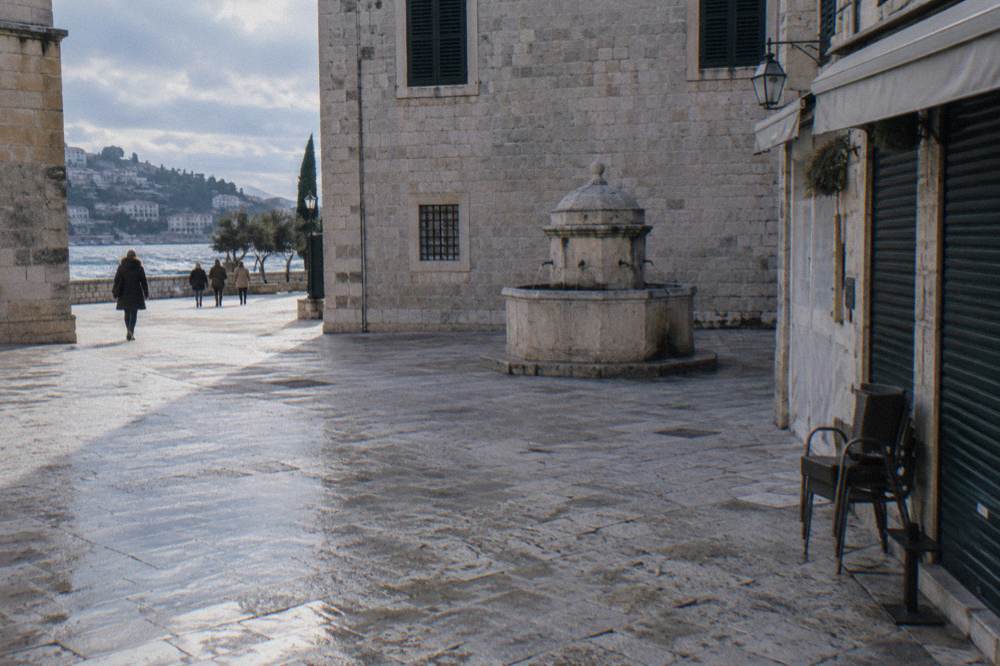
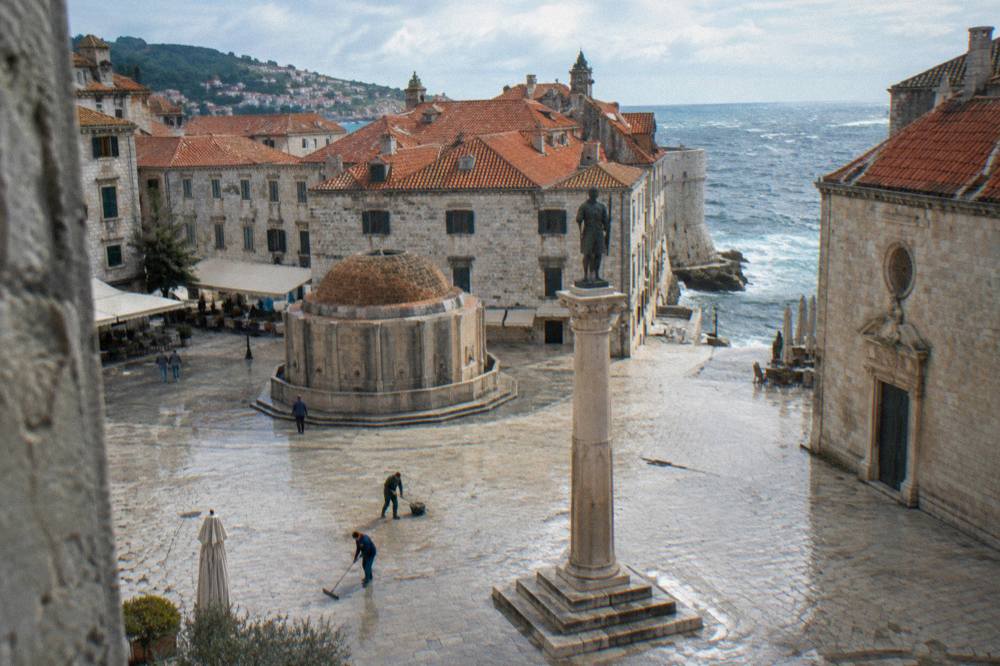
The shape of the day matters, because Dubrovnik's free sights are concentrated and its paid sights are the ones that eat hours. A morning that starts at Pile Gate, crosses the Onofrio fountain and runs down Stradun to Luža Square covers the city's spine on foot in a slow hour. From Luža, Sponza Palace's exterior and the Bell Tower's exterior are free to see, Orlando's Column stands on the square itself, and Gundulić Square's morning produce market adds colour and noise without costing a kuna's successor, since browsing costs nothing and only purchases are paid. The Jesuit staircase is free to climb, and the lanes off Stradun cost nothing to get lost in.
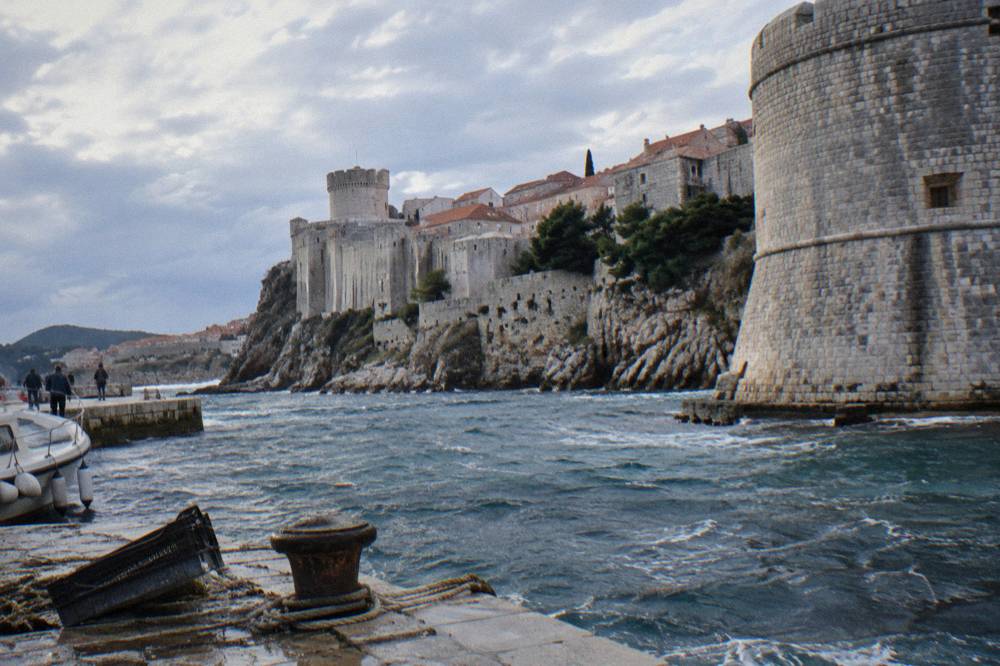
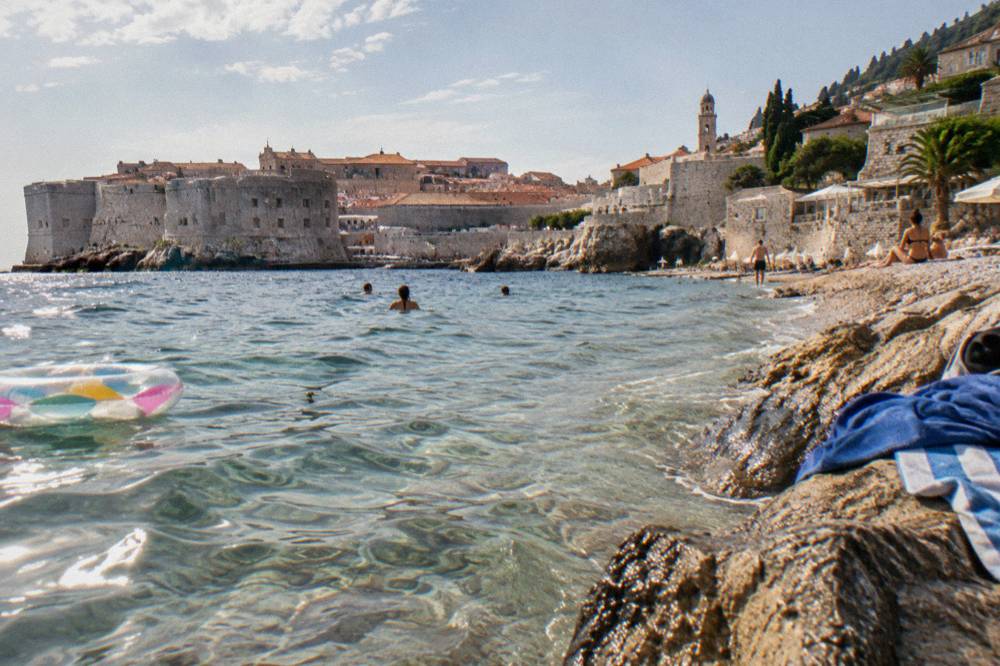
The afternoon belongs to the water and the hill. The Old Port and the Kase breakwater are free to walk, and from there the free beaches are within the city's own shoreline: Danče beach is free, Sveti Jakov is free and reached by about 160 steps, and Bellevue is free. Banje beach is public and swimming there is free, though its sunbed area belongs to Banje Beach Club, where a sunbed is EUR 30, an umbrella EUR 10 and a towel EUR 5. The free version of Banje is the public strip, not the club's rows. Copacabana and the Uvala Lapad beaches have free shore access while their loungers and services are paid.
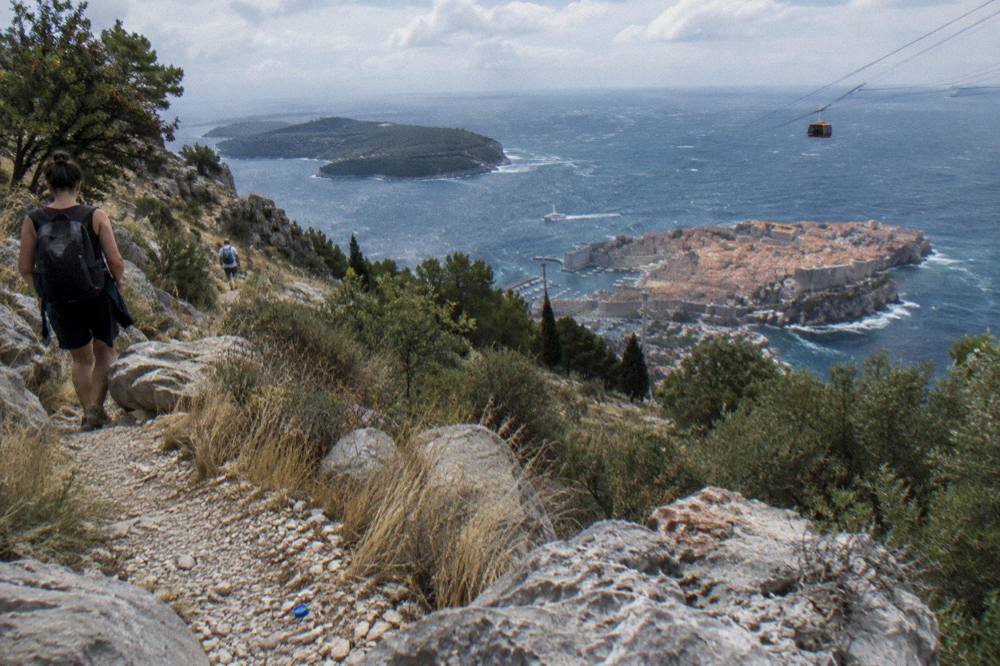
The hill is the day's one physical decision. The Srđ zig-zag trail is free, and it stands beside a cable car that costs EUR 30 return, so the trail is the budget answer to the summit. What you find at the top, Fort Imperial, is a paid museum, so a strictly free day ends at the viewpoint rather than going inside. The trail itself is the free thing; the cable car and the fort are separate paid facts, and the is the Mount Srđ hike free post covers the split in detail.
Two paid temptations will cross this itinerary and both can be declined without loss. Lokrum, EUR 30 with the boat, sits across the water from the Old Port and is a half-day of its own. The walls circuit, EUR 40 in season, runs above the same streets you are already walking. Neither is needed to have seen Dubrovnik, and both are choices rather than essentials, which is the entire logic of a budget day here. If the walls do call, the Dubrovnik City Walls guide covers the ticket mechanics, and whether you can see the walls without paying answers the other question budget travellers ask.
Where Do Free Walking Tours Fit Into A Tight Budget?
Free walking tours sit at the very bottom of a tight Dubrovnik budget, since all 13 options on GuruWalk cost nothing to join and run on a pay-what-you-want basis. They meet at landmarks like Pile Gate, Ploče Gate and Orlando's Column, last 1 hour 15 minutes to 2 hours in English, and only touch your budget when you decide what to give the guide.
The mechanism is simple and it is the one fact worth knowing: the walk is free to join, and the walker decides what to give the guide at the end, with no amount set, suggested or published anywhere. This site operates no walks of its own; every walk is run by an independent local guide, and reserving a place happens on the guide's own GuruWalk page. Its links to GuruWalk carry a referral code, so the site earns a referral commission when a reader books through them, at no extra cost to the reader. On a budget, that makes a walking tour the one activity where the cost is entirely yours to set. Other pages covering the same trip are gathered on Free Things To Do In Dubrovnik.
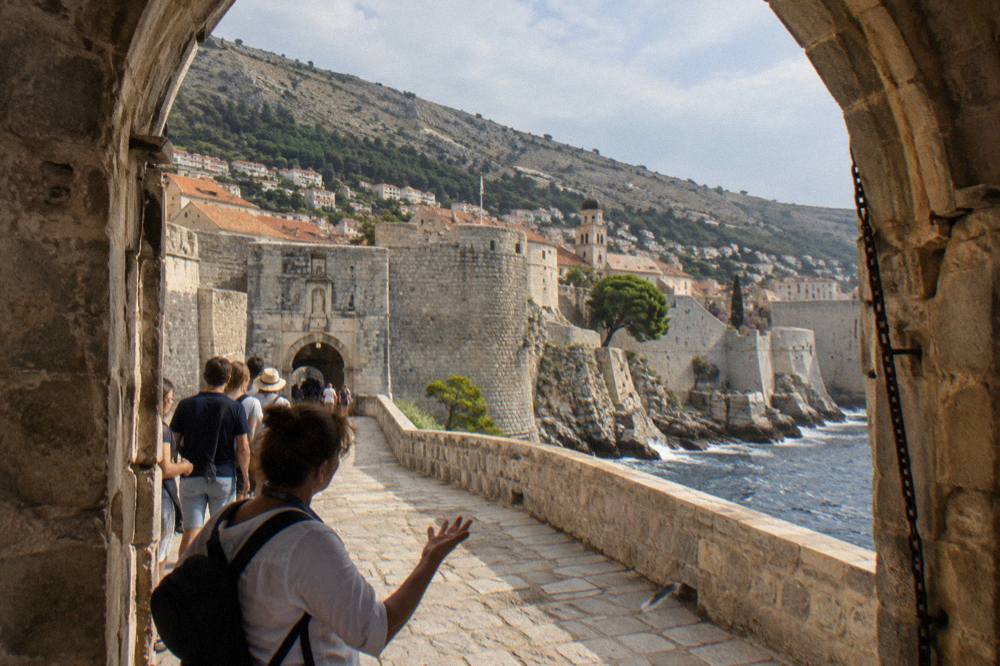
The walks cluster around the same free street level the itinerary above already covers. The Pearl of the Adriatic Walk meets at Pile Gate, runs 1 hour 45 minutes in English, and is rated 4.92 out of 5 across 5,844 GuruWalk reviews. Ancient Old City, 1 Hour 45 also meets at Pile Gate with the same duration in English, rated 4.85 out of 5 across 2,294 GuruWalk reviews. Old City Since 2018, 2 Hours is the longest format in the history family, meeting at Nautika Restaurant, rated 4.98 out of 5 across 1,302 GuruWalk reviews.
History and Culture, 2 Hours meets at Pile Gate, rated 4.91 out of 5 across 837 GuruWalk reviews, and there is a shorter 1 hour 30 variant with the same meeting point rated 4.87 out of 5 across 53 GuruWalk reviews. For something away from the history script, the Free Spirit Local Stories Walk meets at Orlando's Column, runs 1 hour 45 minutes and is rated 4.94 out of 5 across 2,029 GuruWalk reviews. The themed option, History Plus Game of Thrones Combo, meets at Amerling Fountain for 2 hours, rated 4.92 out of 5 across 781 GuruWalk reviews.
Essential free tour of the old town with local guides runs in Spanish and meets at Ploče Gate, and Free tour of the OLD TOWN with a LOCAL guide runs in Spanish and meets at Pile Gate, so English speakers should pick a different GuruWalk walk. A walk titled Walk The Walls Of Dubrovnik also runs on GuruWalk, free and pay what you want, meeting at Ploče Gate for 1 hour 15 minutes, rated 5 out of 5 across 55 GuruWalk reviews; it is a walking tour, not the walls circuit, and its GuruWalk listing is the place to read exactly what it covers. On tipping mechanics, the answer is always the same one fact: free to join, and the walker decides what to give.
Which Free Beaches And Viewpoints Cost Nothing To Reach?
The beaches that cost nothing to reach are Danče, Sveti Jakov, Bellevue, Copacabana and Uvala Lapad, all with free shore access, plus the public strip of Banje, which is free to swim from, while Gradac Park and the Srđ trail are the free viewpoints. Only the furniture costs money, since Banje sunbeds run EUR 30, umbrellas EUR 10 and towels EUR 5, and the Copacabana and Uvala Lapad loungers are likewise paid.
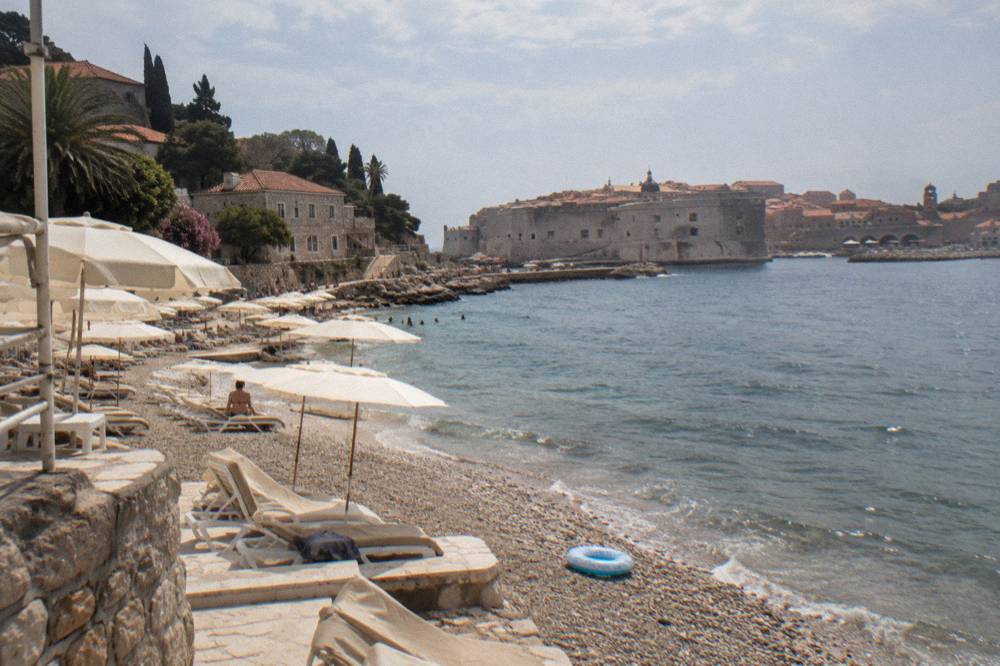
Sveti Jakov is the one with the caveat worth repeating: it is free, and it is reached by about 160 steps, so the price is paid in effort rather than euros. Danče and Bellevue are free with no such staircase noted. Banje is the beach visitors picture under the walls, and the honest split is this: the beach is public, swimming is free, and the sunbed area belongs to Banje Beach Club with its own price list. Nobody has to rent anything to swim at Banje; the club's rows are simply not part of the free offer.
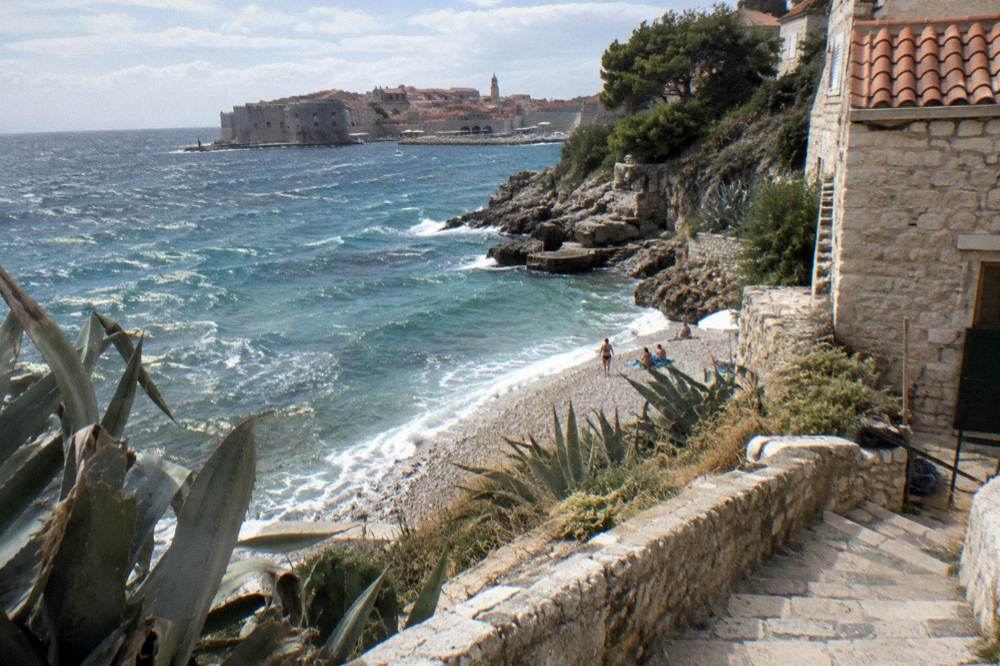
The Lapad side works the same way. Copacabana and the Uvala Lapad beaches have free shore access, with loungers and services paid and no published price quoted here. The Lapad promenade itself is a free walk connecting them, and the free beaches guide covers each one in detail. The pattern to internalise is the beach club model: Croatian city beaches are public at the waterline, and privatised by the metre the moment furniture appears.
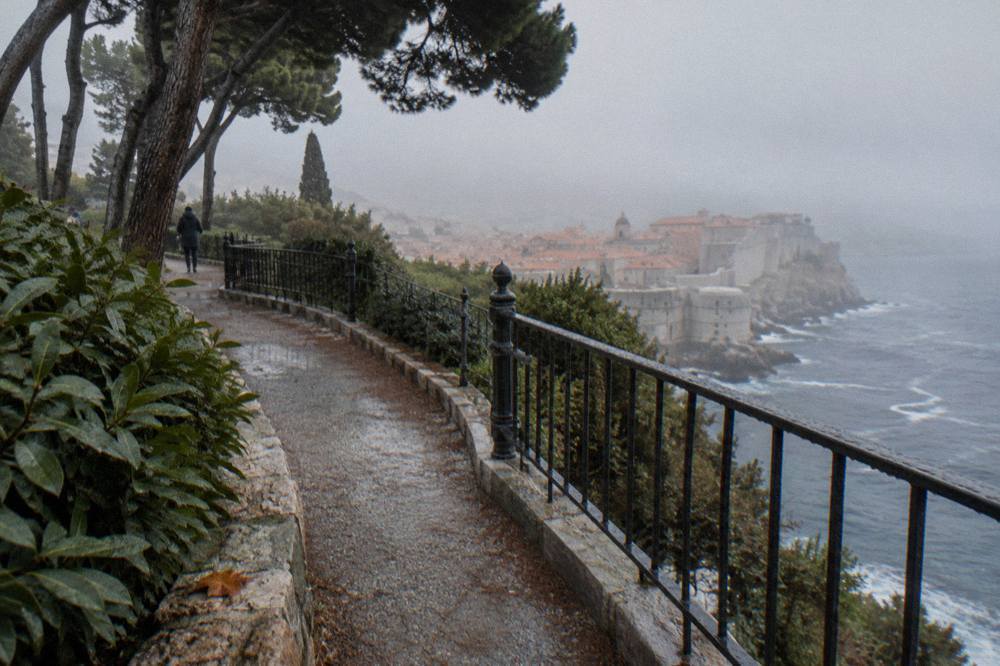
Viewpoints are where Dubrovnik is most generous. Gradac Park, free and freshly reopened after its renovation, looks over the Old Town and the sea. The Srđ trail is the free route up the mountain, and the summit view comes with it; only Fort Imperial inside the summit is paid, plus the cable car if you refuse the climb. Within the Old Town, the Jesuit staircase is free to climb and gives the classic elevated view down the steps. None of these has a gate, a ticket or a season.
| Beach or viewpoint | Free part | Paid part |
|---|---|---|
| Banje | Public beach, swimming | Club sunbed EUR 30, umbrella EUR 10, towel EUR 5 |
| Sveti Jakov | Beach, reached by about 160 steps | None stated |
| Danče and Bellevue | Free swimming | None stated |
| Copacabana and Uvala Lapad | Shore access | Loungers and services, paid |
| Srđ | The zig-zag trail | Cable car EUR 30 return, Fort Imperial museum |
| Gradac Park | The whole park | None |
What Changes On A Budget Trip Outside Summer?
From December to February the walls ticket drops to EUR 20 for adults, the Old Town is quiet, and museums run 9:00 to 16:00 winter hours with staggered closing days. Against that, the cable car closes December to March, War Photo Limited closes November to March, the Western Outer Wall closes December to February, and no winter Dubrovnik Pass is on sale, though streets, gates, beaches and the Srđ trail stay free.
The winter walls price is the single biggest saving on the calendar. From 1 December 2026 the adult ticket falls from EUR 40 to EUR 20 and the child rate from EUR 15 to EUR 5, with children under 7 still free, and those rates hold through January and February. The trade-off is honest: the walls' own winter opening hours are not published here, and 2027 prices are not on sale yet, so treat December and January to February as the window with a known price. The December walls price post tracks exactly this.
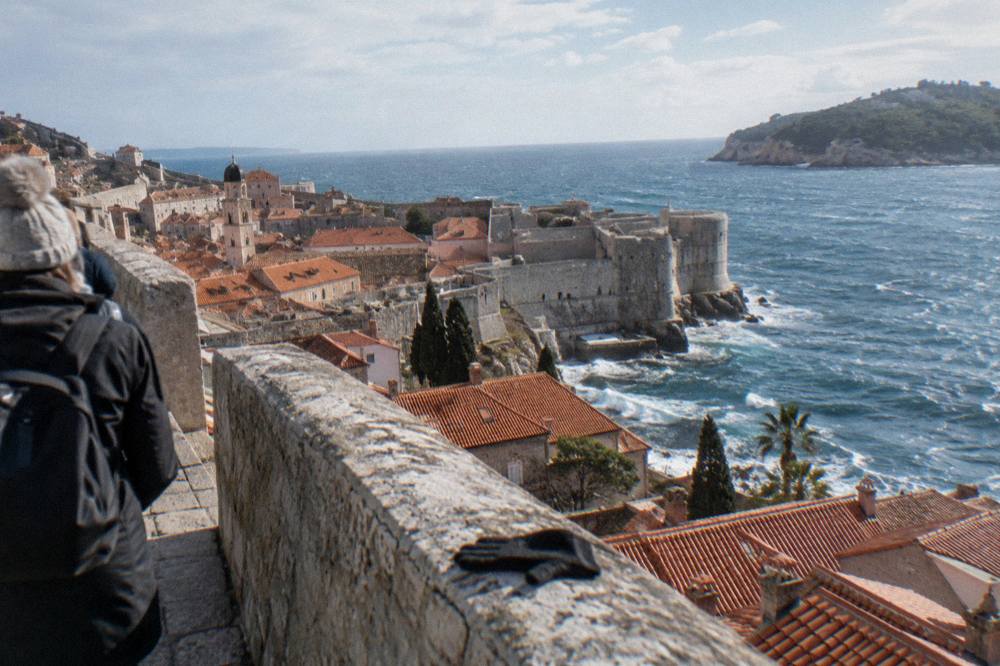
Winter also rearranges the museum week. Each Dubrovnik Museums site closes on a different day, Rector's Palace Monday, Ethnographic Tuesday, Maritime and Revelin Wednesday, and all of them shut on Christmas, New Year and the Feast of St Blaise on 3 February, with short 9:00 to 12:00 hours on 24 and 31 December. The Feast of St Blaise itself, banner raising, procession and the church, is free to watch, and it is one of the dated free events of the winter alongside the Night of Museums on the last Friday of January.
Advent in Dubrovnik runs 28 November 2026 to 3 January 2027 with the main concert programme on Stradun, but the official page does not state whether entry is free, so this guide does not call it free. The same caution applies to the Summer Festival, where most performances are ticketed. The dated things that are genuinely free in winter are the Feast of St Blaise events on 3 February and the Night of Museums evening in late January, plus every permanent free sight listed above, from the Old Port to Danče.
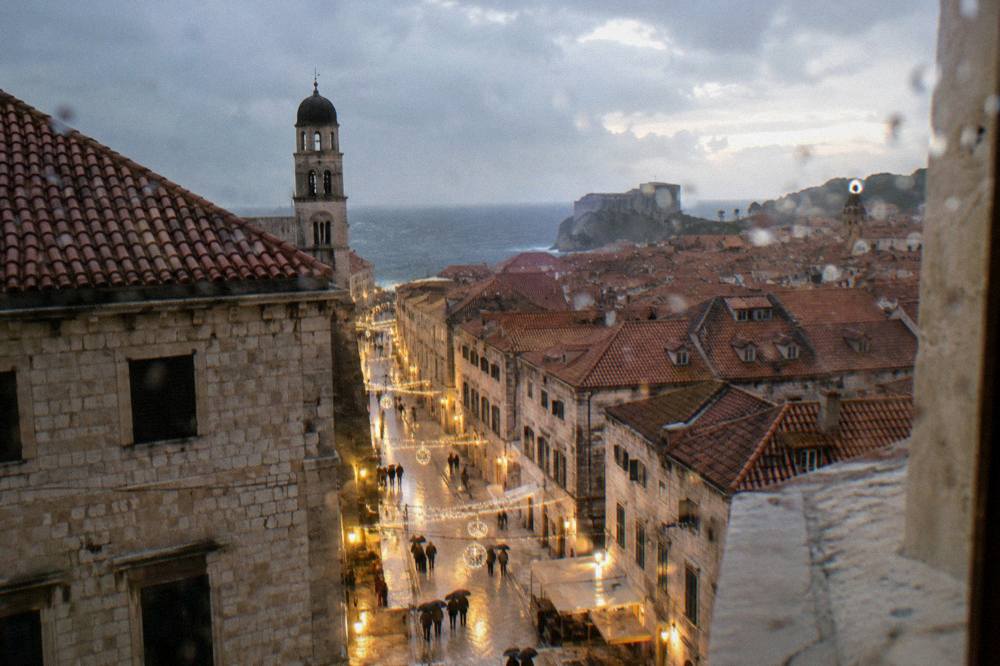
Two practical winter notes complete the picture. The Old Town live visitor counter, at dubrovnik-visitors.hr, is free to check, with six counters updated every 15 minutes and an acceptable-capacity threshold of 11,275 people, useful on any day but mostly a summer tool. And the free walking tours keep the same terms: free, pay what you want, reserved on GuruWalk, with meeting points at Pile Gate, Ploče Gate, Orlando's Column, Nautika Restaurant, Amerling Fountain and Onofrio's Fountain. The Dubrovnik in November question has its own answer, and it leans yes for exactly these reasons.
Mistakes That Trip People Up At Dubrovnik On A Budget
The recurring mistakes are treating the paid layer as free: assuming the walls and Fort Lovrijenac cost nothing when they are one EUR 40 ticket in season, calling Lokrum a free boat trip when it is EUR 30 however you arrive, and describing the Dubrovnik Pass as a winter saving when no winter pass exists. Museums do not have a free day either; the only free evening is one night in late January.
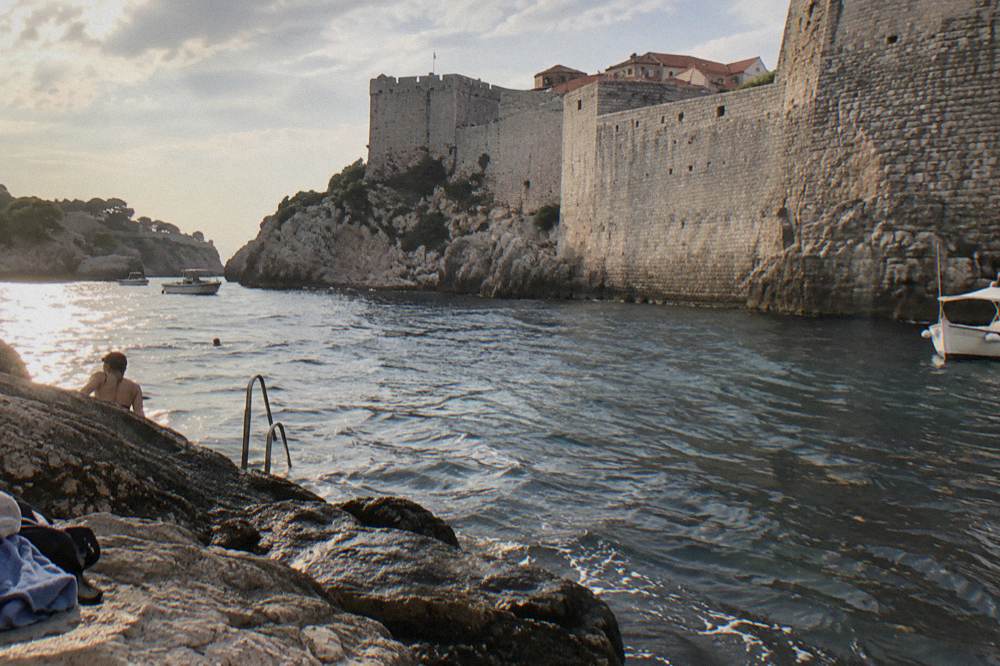
The first mistake is the "free walls" idea, and it is everywhere. Walking beneath the walls, through Pile Gate and along Stradun is free; the walls circuit with Fort Lovrijenac and Minčeta Tower is the one ticket, EUR 40 in main season, EUR 20 in the December-to-February window, one tour, no re-entry. Fort Lovrijenac is never a free add-on and never a separate bargain. The second is Lokrum: EUR 30 including the return boat, and the same EUR 30 if you sail yourself there, so it cannot be turned into a free swim by arriving independently.
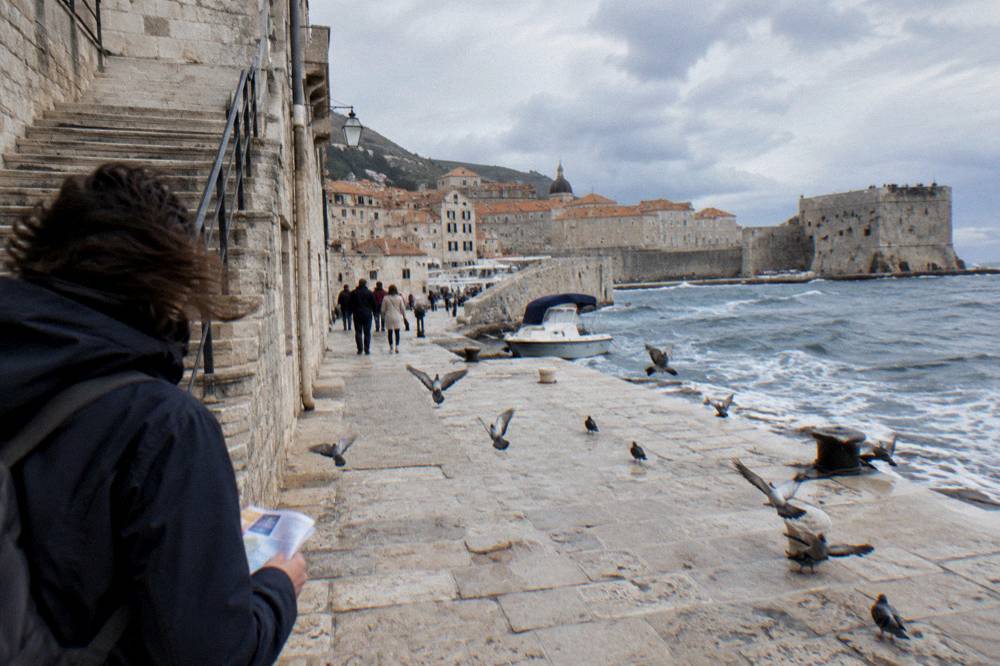
The third is pass arithmetic done in the wrong season. In summer the one-day Dubrovnik Pass at EUR 40 equals the walls ticket, so it only pays through the bundled sights. In winter there is no pass on sale at all while the walls ticket halves to EUR 20, which makes the pass not a saving but an absence. The fourth is museum planning that ignores the staggered winter closing days, arriving at Rector's Palace on a Monday or the Maritime Museum on a Wednesday and finding it shut, then treating the closed door as a hidden cost.
The fifth is beach furniture: arriving at Banje believing the club's sunbeds are public, or the reverse, believing the beach itself is private. The waterline is public, the furniture is EUR 30 a sunbed. The sixth is the Srđ summit, where the free trail ends at a paid fort and people budget for neither the EUR 30 cable car they expected to need nor the museum they did not. Each of these is a planning error rather than a trap, and every price needed to avoid all of them is on this page.
Common Questions About Visiting Dubrovnik On A Budget
Is Dubrovnik Old Town Free To Enter?
Yes, entering the Old Town through Pile Gate or Ploče Gate and walking Stradun, Luža Square and the side lanes costs nothing at any time. The ticketed sights, the walls circuit, the museums and the Franciscan cloister, sit inside it but are separate purchases. The street level is public space.
Can You See The Dubrovnik Walls Without Paying?
You can see the walls from outside and walk beneath them freely, but walking on the walls circuit requires the ticket that also covers Fort Lovrijenac: EUR 40 adult in main season, EUR 20 from 1 December through January and February, children under 7 free. There is no free section of the circuit.
Is Dubrovnik Expensive Compared To Other Cities?
The paid sights add up quickly, EUR 40 for the walls, EUR 15 for the Rector's Palace, EUR 30 for Lokrum, but the core experience, the Old Town streets, gates, squares, beaches and viewpoints, is free. Budget trips succeed by treating tickets as choices. Free walking tours on GuruWalk cost whatever you decide to give.
Do You Need The Dubrovnik Pass On A Budget Trip?
Only if you plan to visit several bundled sights in one stretch. The one-day pass at EUR 40 matches the walls ticket price, so it pays only when the bundled museums are used; no winter pass is on sale, and in winter the walls ticket alone falls to EUR 20 anyway.
Are The Beaches In Dubrovnik Free?
Danče, Sveti Jakov, Bellevue, Copacabana and the Uvala Lapad beaches have free shore access, and swimming at public Banje is free. Paid extras are furniture and services: at Banje a club sunbed is EUR 30 and an umbrella EUR 10. The free version of any beach is the waterline itself.
How Much Should You Tip On A Free Walking Tour?
No amount is set, suggested or published. Every walk is free to join and pay what you want, reserved on GuruWalk, and the walker decides what to give the guide at the end. That is the whole mechanics of it, and the walks themselves are the cheapest structured sightseeing in the city.