Is Dubrovnik Expensive?
A plain breakdown of what Dubrovnik charges for: walls, museums, beaches, cable car and Lokrum, plus everything that stays free, including the GuruWalk pay-what-you-want walking tours.
In Short
Dubrovnik is expensive at exactly the points everyone photographs: the City Walls ticket is EUR 40 for an adult in the 1 March to 30 November season, the cable car is EUR 30 return, and Lokrum is EUR 30 per person. Everything that holds the old town together, Stradun, Pile Gate, Luža Square, the beaches, the Srđ trail, is free. From 1 December 2026 the walls ticket drops to EUR 20, and free pay-what-you-want walking tours run on GuruWalk through the whole year's visit.
This question sits inside the budget guide to free Dubrovnik.
Quick Facts
| What | Cost |
|---|---|
| City Walls and Fort Lovrijenac, adult, 1 Mar to 30 Nov 2026 | EUR 40 |
| City Walls and Fort Lovrijenac, adult, Dec 2026 and Jan to Feb | EUR 20 |
| Dubrovnik Museums, individual tickets | EUR 5 to EUR 15 |
| Cable car return, adult | EUR 30 |
| Lokrum island entry including boat | EUR 30 |
| Stradun, Pile Gate, Luža Square, beaches, Srđ trail | Free |
| Free walking tours on GuruWalk | Free, pay what you want |
Is Dubrovnik Expensive?
Yes, Dubrovnik can feel expensive, but only at five specific pinch points, while the spaces between them cost little or nothing. The City Walls charge EUR 40 per adult in the main season, museums run EUR 5 to EUR 15 each, the cable car is EUR 30 return, Lokrum costs EUR 30 per person, and a Banje Beach Club sunbed is EUR 30, yet the streets, gates, squares, beaches and free walking tours cost nothing.
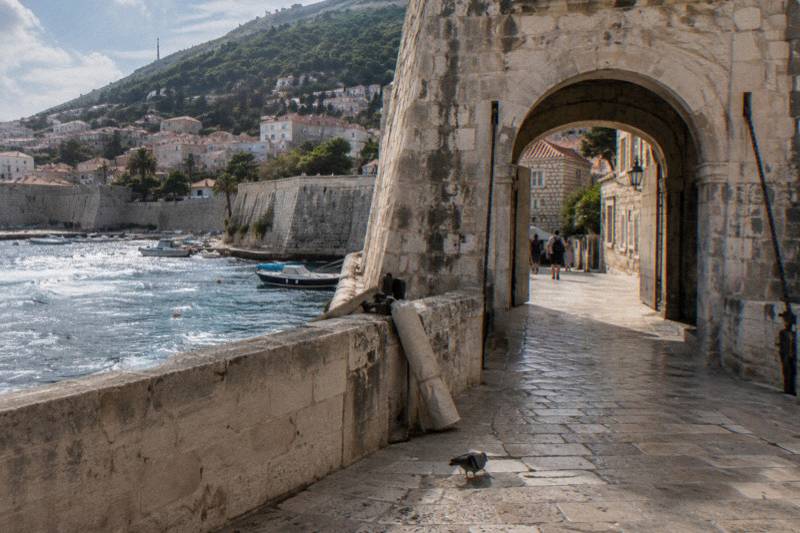
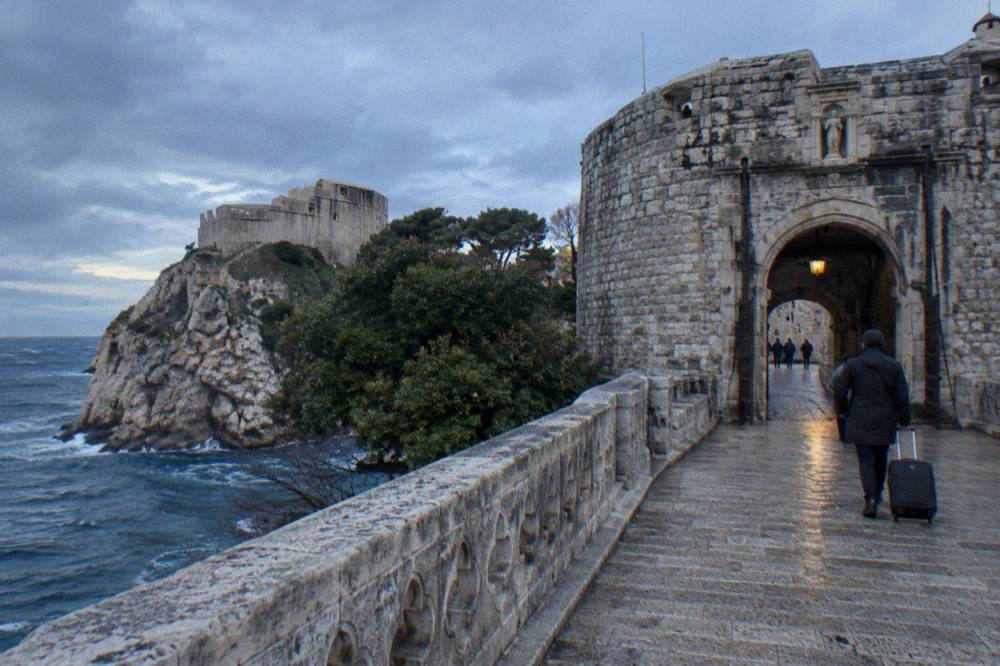
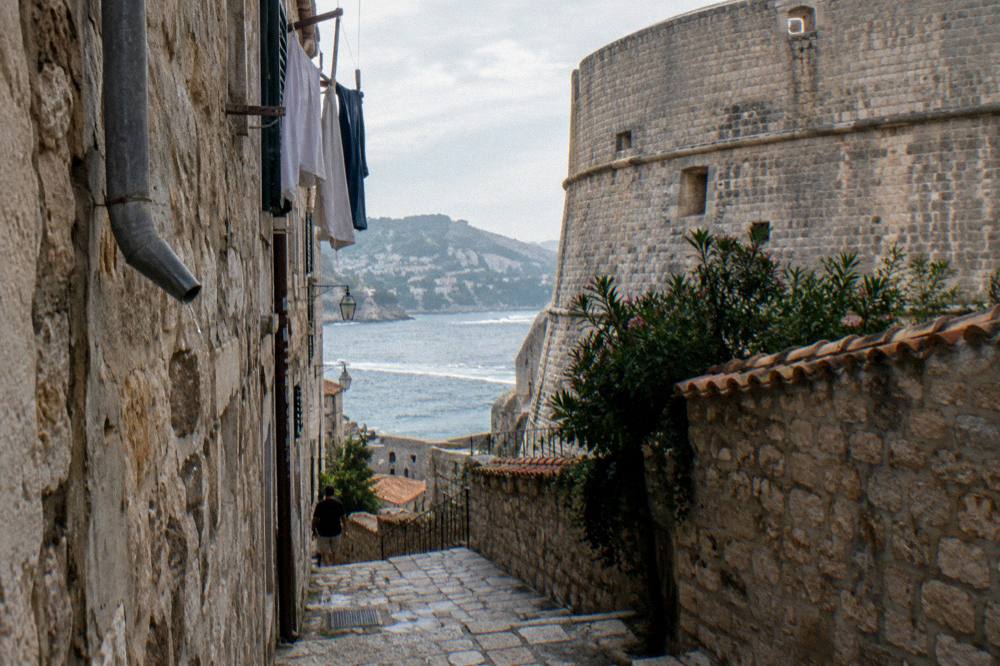
The honest answer is that Dubrovnik prices its icons and leaves its fabric open. Walking beneath the walls, through Pile Gate and along Stradun is free, at any hour, with no ticket, no gate and no checkpoint of any kind. The walls circuit with Fort Lovrijenac and Minčeta Tower is the one ticket, and that ticket is the single largest compulsory-feeling cost of most trips. It is not compulsory at all. Plenty of visitors spend days in the city without ever going up.
What makes the city feel expensive is the density of paid anchors inside a small pedestrian space. Rector's Palace at EUR 15, the Maritime Museum at EUR 10, the Ethnographic Museum Rupe at EUR 8 and the Franciscan cloister and Old Pharmacy at EUR 8 sit within a few minutes of each other, and each one looks essential from the outside. Add the walls and the cable car and a couple can pass EUR 200 on tickets in two days without eating a single meal.
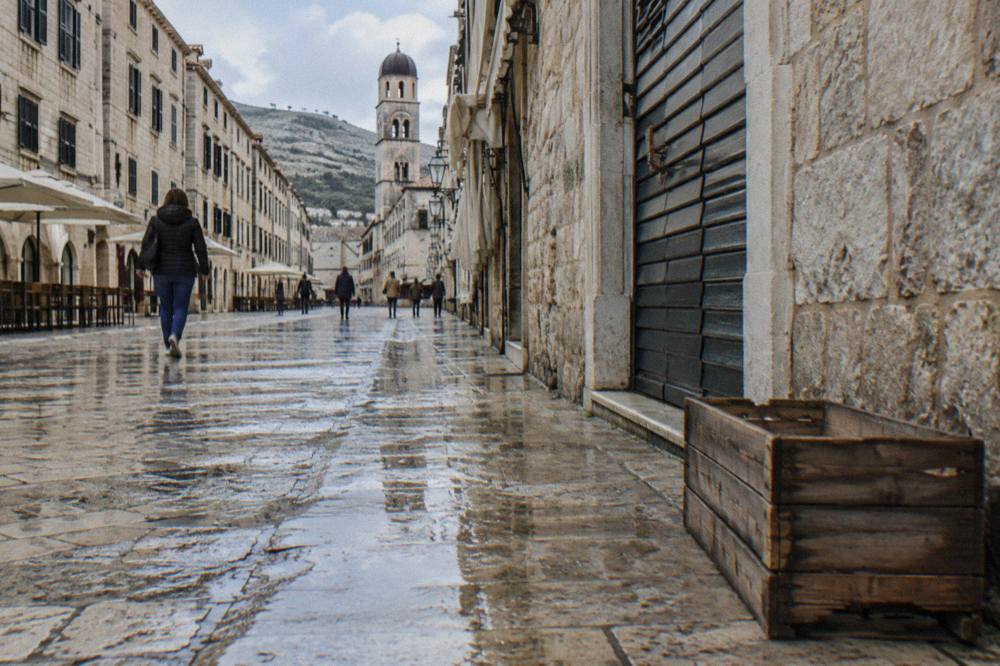
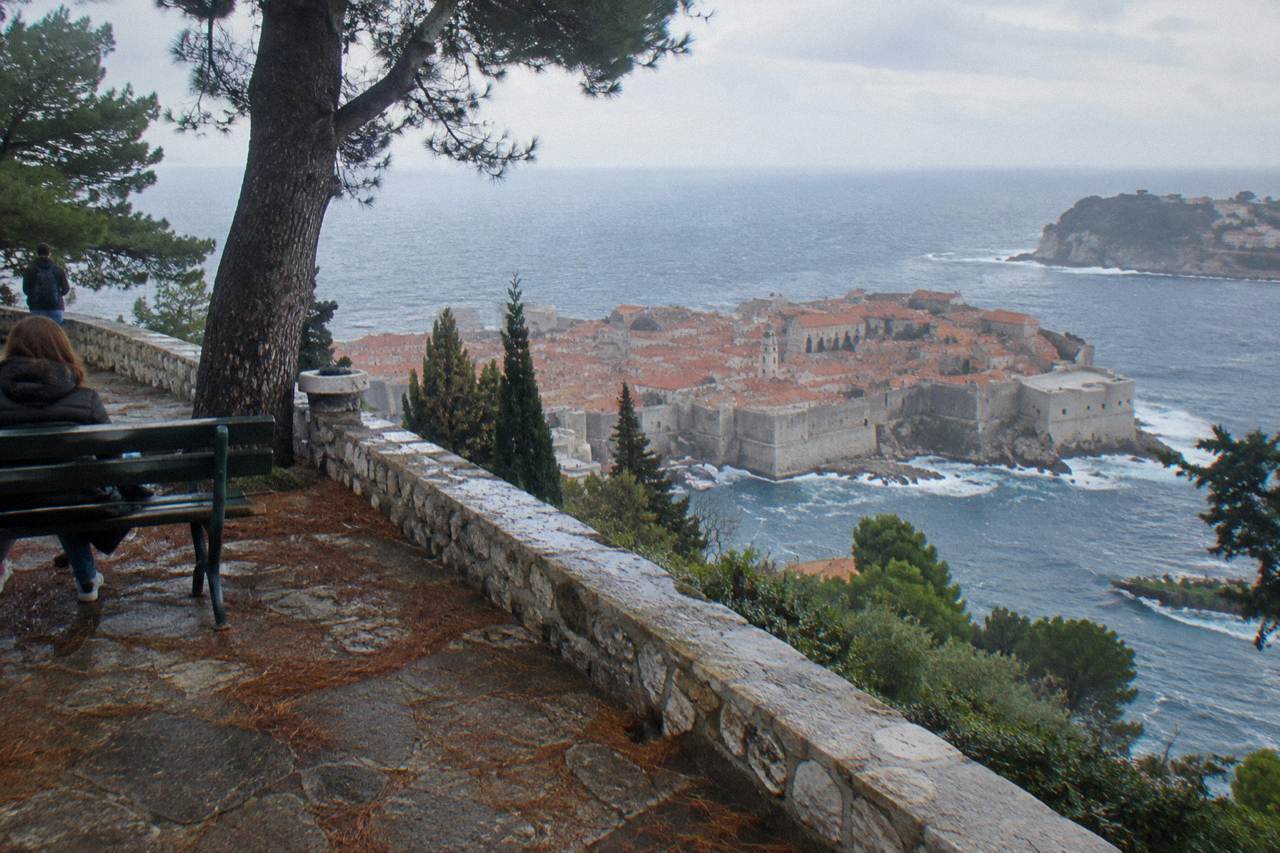
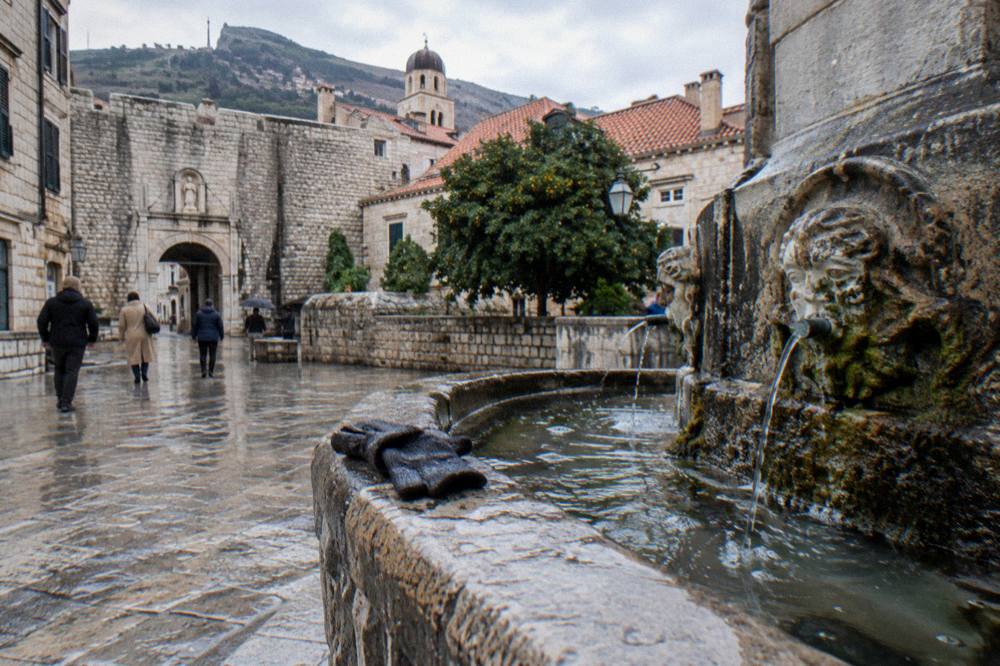
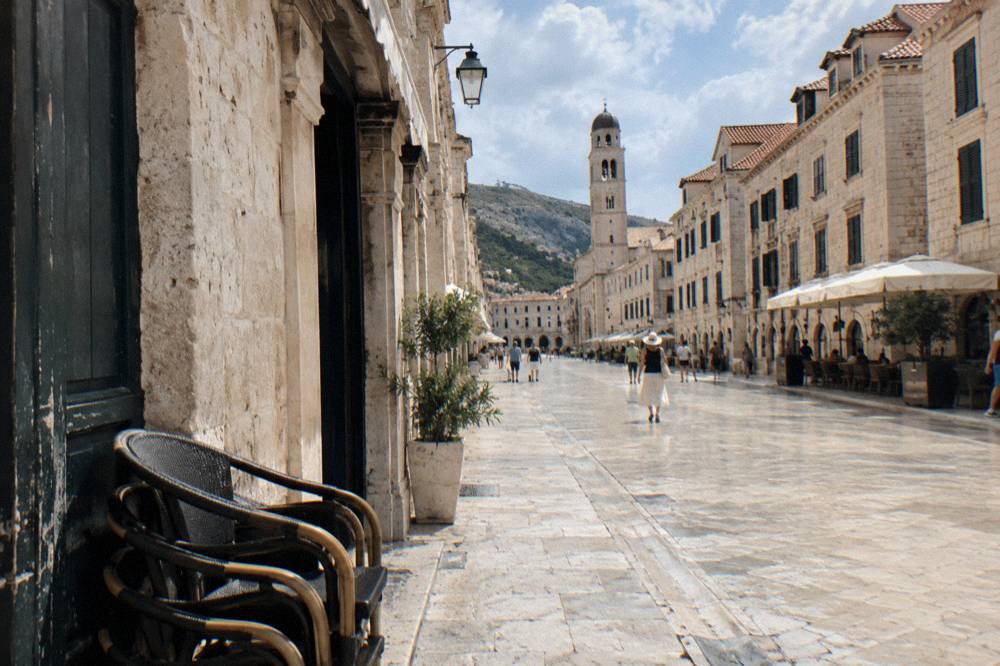
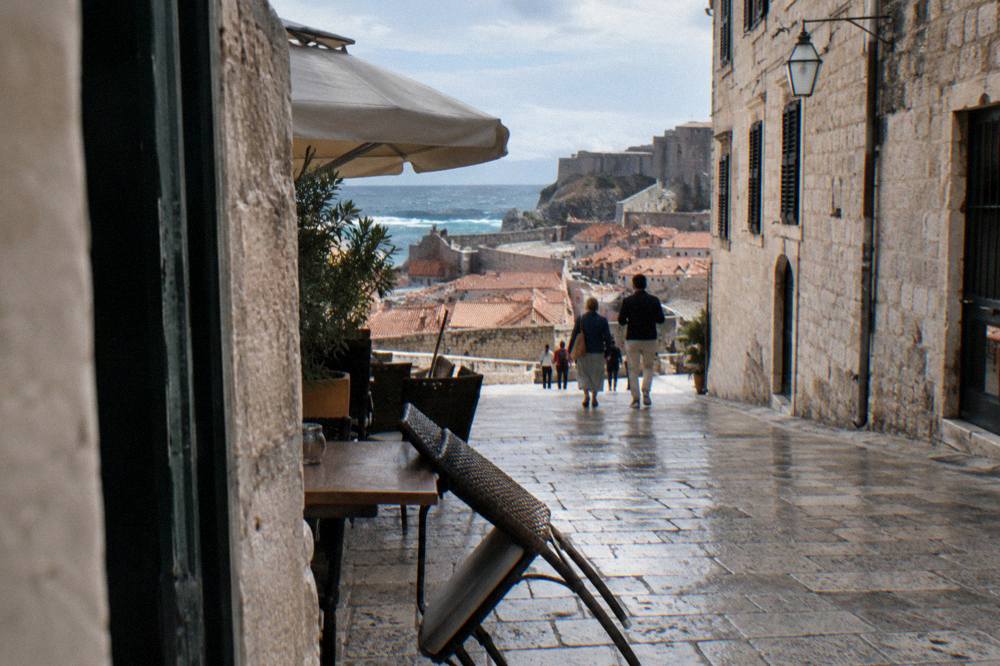
The counterweight is real, and it is larger than most price lists admit. The public layer of the city, the squares, the Onofrio fountains, Luža Square with Orlando's Column, the Jesuit staircase, the Old Port and the Kase breakwater, Sveti Jakov and Danče and Bellevue beaches, Gradac Park and the whole Lapad promenade, is free to enter or to see. On top of that, every walking tour in this city's free tour scene runs on GuruWalk as a free, pay-what-you-want walk, reserved on the operator's page, with the walker deciding at the end what to give the guide.
That combination is why the answer is a split decision rather than a yes or a no. A visitor who buys every ticket pays some of the highest attraction prices on the Adriatic. A visitor who builds the trip on the free layer and pays only for the one or two things that matter to them spends less than in most Croatian coastal cities of the same fame. For a deeper route through the free layer, the free things to do on a Dubrovnik budget guide lists them all in one place.
Which Costs Do Visitors Notice First?
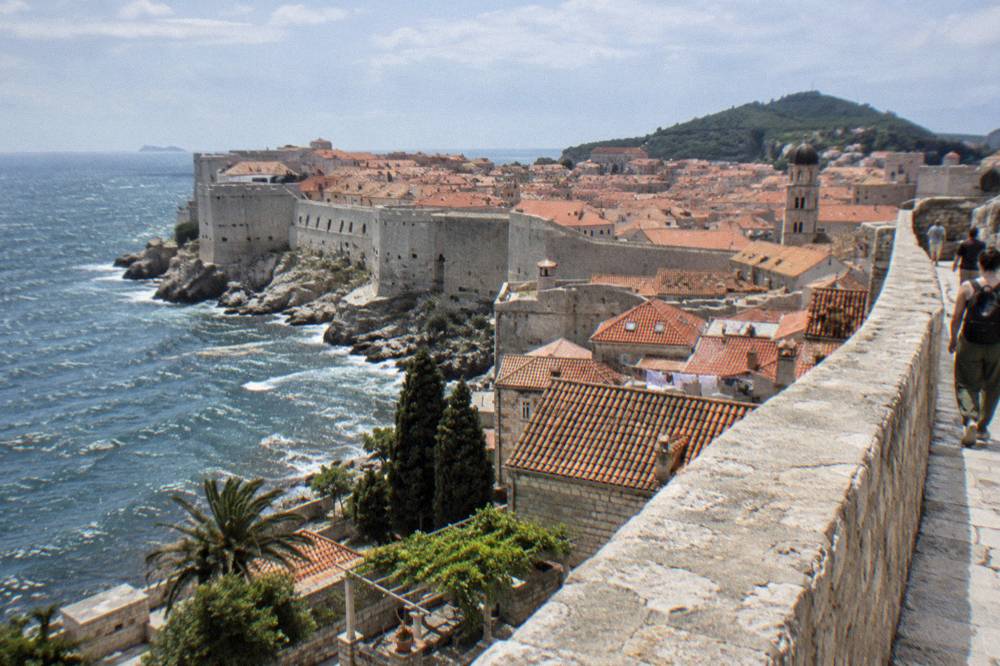
Visitors notice the city walls ticket first: EUR 40 per adult and EUR 15 per child aged 7 to 18 in the season from 1 March to 30 November 2026, with children under 7 free. Food and drink inside the Old Town come next, followed by the museums at EUR 5 to EUR 15 each and the cable car at EUR 30 return.
The walls deserve their own paragraph because they are one ticket covering more than people expect. The shop article is literally the walls plus Fort Lovrijenac: one purchase, both sites, one tour with no re-entry, and nothing free about it for any adult. The same society sells the Dubrovnik Pass at EUR 40 for one day, EUR 50 for three days and EUR 60 for seven days, which bundles the walls, ten sights and buses, with each site visitable once. In main season the one-day pass costs the same as the walls ticket alone, which is the only reason to look at it.
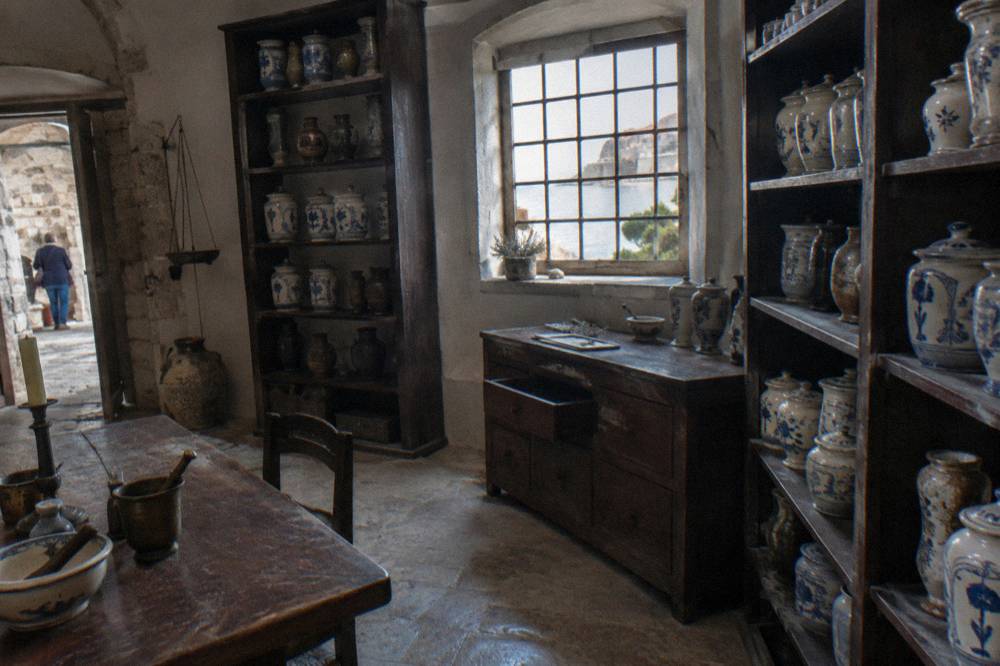
The museums are the quieter drain. Each is individually modest, EUR 15 for the Rector's Palace, EUR 10 for the Maritime Museum, EUR 8 for the Ethnographic Museum Rupe, EUR 5 for the Revelin exhibition spaces, and EUR 20 for a 10-museum ticket valid seven days. The winter schedule matters as much as the price: from 1 November to 31 March all of them run 9:00 to 16:00, with the Rector's Palace closed Monday, the Ethnographic Museum closed Tuesday, and the Maritime Museum and Revelin closed Wednesday, and everything shut on Christmas, New Year and the Feast of St Blaise.
Beyond the walls and the museums, the paid list is short and fixed. The cable car costs EUR 30 return or EUR 17 one way for an adult, EUR 8 return for a child aged 4 to 12, and closes December to March. Lokrum is EUR 30 per person including the return boat, and the same EUR 30 applies even if you arrive by your own boat, so it is never a free swim. Trsteno Arboretum is EUR 10 for an adult. A sunbed at Banje Beach Club runs EUR 30 with an umbrella at EUR 10 and a towel at EUR 5, while the public beach itself stays free.
How Much Can Free Sights Save You?
Free sights can cover the full cost of a day's sightseeing, since Stradun, Pile Gate, Ploče Gate, Luža Square, the Onofrio fountains, Gundulić Square with its morning produce market, the Old Port, the Jesuit staircase and the beaches all cost nothing to enter or see. Even the Srđ zig-zag trail is a free walk, while the cable car beside it charges EUR 30 return.
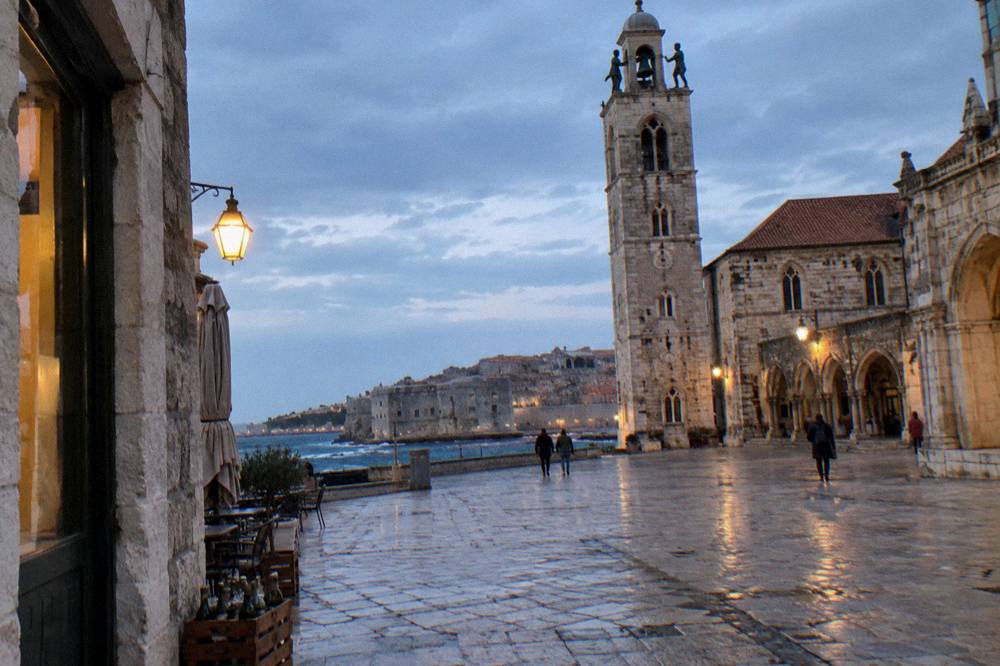
Start with the streets themselves, because they are the attraction. Stradun, the limestone main street, Pile Gate at one end and Ploče Gate at the other, Luža Square with Orlando's Column and the Bell Tower exterior, Sponza Palace from the outside, the Onofrio fountains: all of it is open public space, free at every hour of the day. Gundulić Square holds a morning produce market where browsing costs nothing and only the purchases are paid.
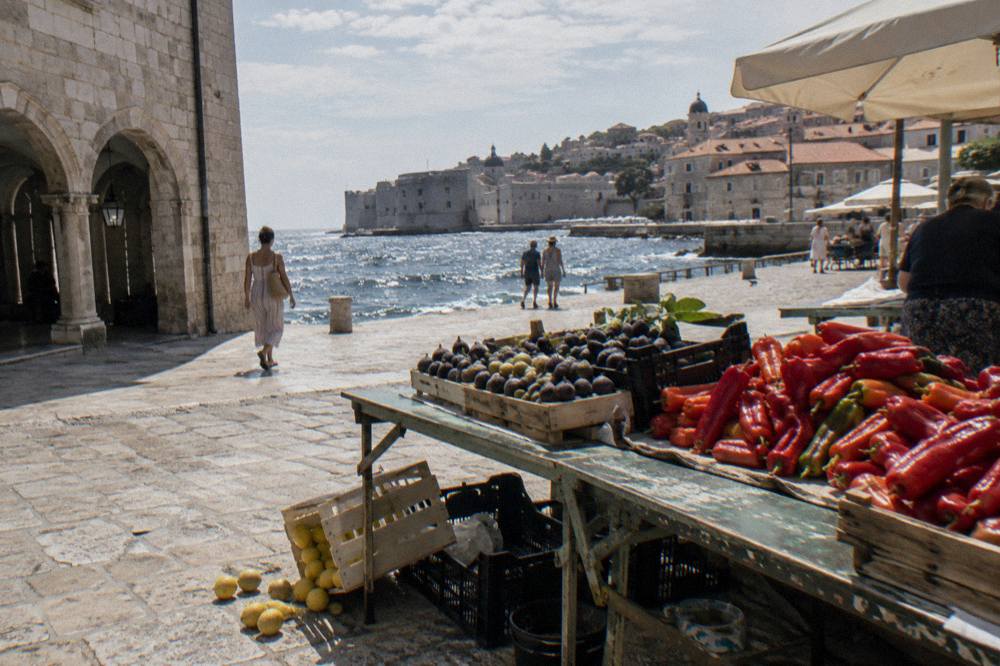
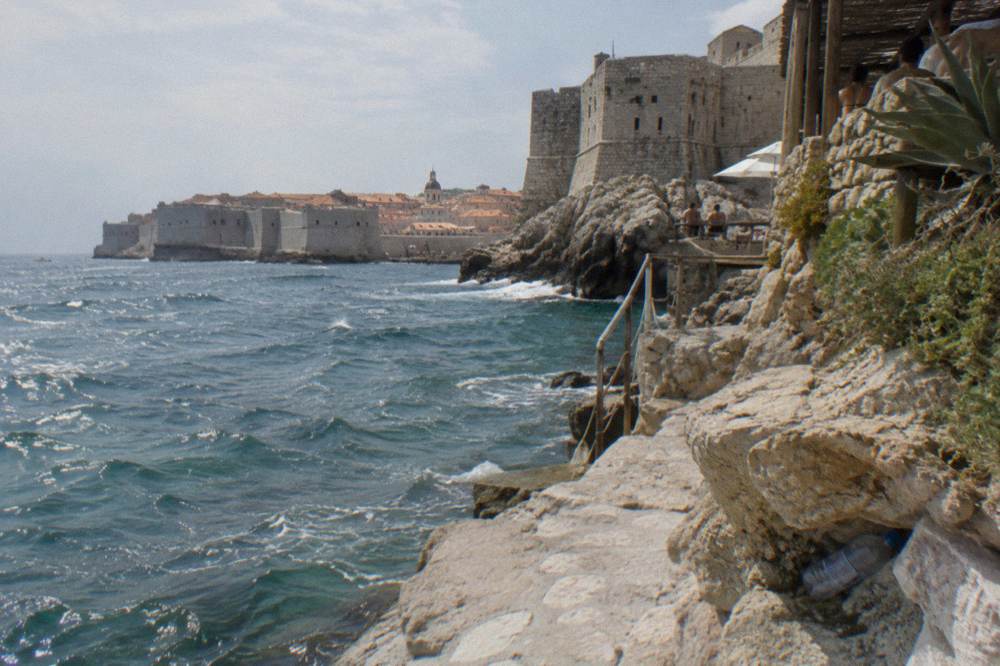
The beaches are the second saving. Banje Beach is public and swimming there is free, with only the sunbed area belonging to Banje Beach Club. Sveti Jakov, reached by about 160 steps, Danče and Bellevue are free. Copacabana and the Uvala Lapad beaches have free shore access while their loungers and services are paid. A beach day in Dubrovnik can genuinely cost nothing, which is not true of every famous walled city on the Mediterranean.
The hills and parks are the third. The Srđ zig-zag trail is free to walk, the cable car beside it costs EUR 30 return, and Fort Imperial at the summit is a paid museum, three separate facts about one hill. Gradac Park reopened on 16 September 2026 after its first full renovation since 1898, and the Lapad promenade is free to stroll. The City's public-order decision applies to the promenade as well as the Old Town: wheeled transport carts without soft inflated tyres are banned in both pedestrian zones, so travel light rather than rolling.
| Free layer | Paid counterpart |
|---|---|
| Srđ zig-zag trail | Cable car, EUR 30 return |
| Stradun, Pile Gate, Luža Square | City Walls circuit, EUR 40 adult in main season |
| Banje Beach public swimming | Banje Beach Club sunbed, EUR 30 |
| Sponza Palace exterior, Bell Tower exterior | Museum interiors, EUR 5 to EUR 15 |
| GuruWalk free walking tours | No paid counterpart needed |
One quiet saving sits on the city's own website: the live Old Town visitor counter at dubrovnik-visitors.hr is free to check, updated every 15 minutes across six counters, and tells you the crowd level before you commit to an evening on Stradun. Few visitors know it exists, and it turns a free web page into a planning tool.
Where Do Prices Drop Outside Summer?
Prices drop at the City Walls: from 1 December 2026 through January and February, the ticket falls from EUR 40 to EUR 20 per adult and from EUR 15 to EUR 5 per child aged 7 to 18. The Dubrovnik Pass, priced at EUR 40 to EUR 60 for the 1 March to 30 November season, has no winter version, museums keep prices but shift to winter hours, and War Photo Limited and the Western Outer Wall close for winter.
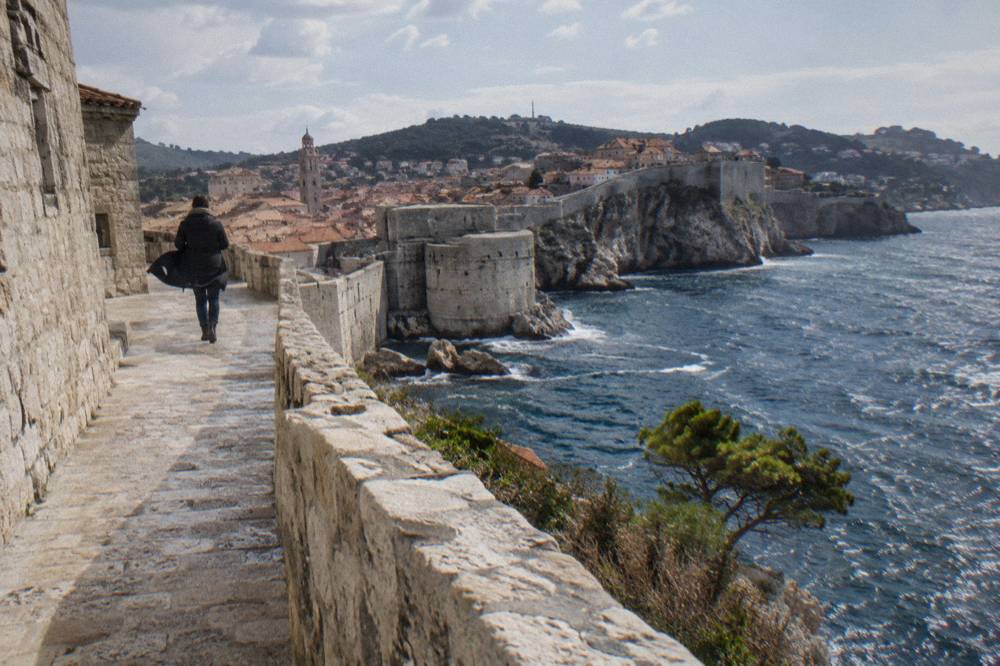
The December walls price is the single best value shift in the city's calendar. The same ticket that costs EUR 40 in November costs EUR 20 from the first of December, and 2027 prices are not on sale yet, so anyone planning further ahead should check the operator's shop rather than assume. The walls' winter opening hours are not announced, so treat the winter price as settled and the schedule as something to confirm before you go. More of these guides are collected on Free Things To Do In Dubrovnik.
The pass is where winter planning goes wrong. The Dubrovnik Pass bundles the walls, ten sights and buses, and in main season the one-day version at EUR 40 matches the walls ticket, which makes it a plausible buy. In winter no pass is on sale while the walls ticket halves, so the pass is never a winter saving and should not be presented as one. The Dubrovnik in winter guide covers the whole cold-season picture.
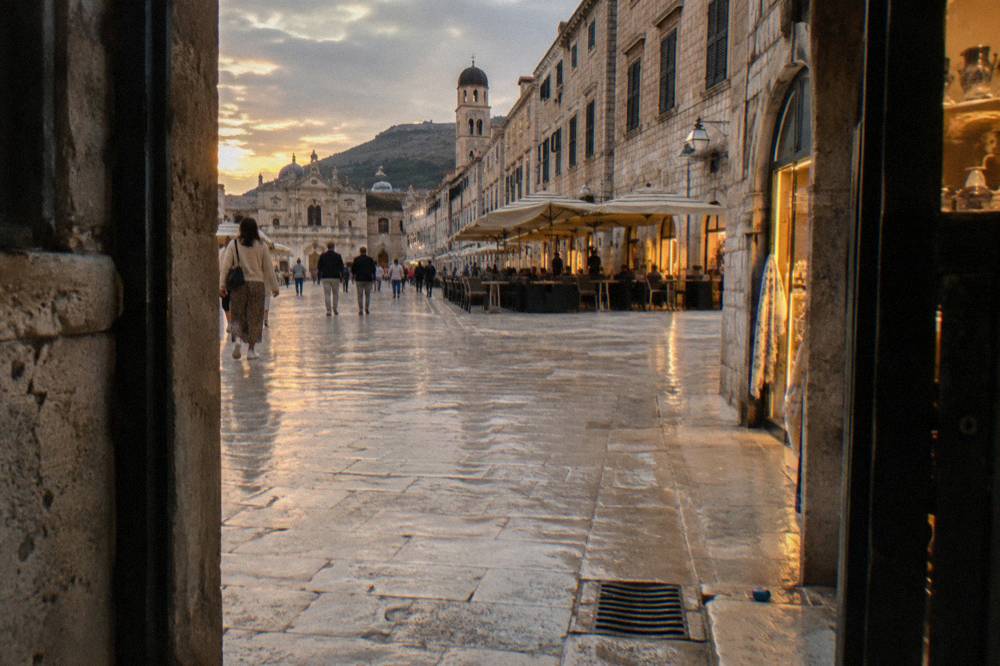
The museums change their rhythm rather than their prices. Winter hours run 1 November to 31 March, 9:00 to 16:00, with a different closing day per museum and all of them shut on Christmas, New Year and 3 February. Night of Museums on the last Friday of January, 18:00 to 1:00, is the one free evening in the museum year, with about 15 museums taking part. Advent in Dubrovnik runs 28 November 2026 to 3 January 2027 with the main concert programme on Stradun, but the official page does not state whether entry is free, so the events cannot be called free. Cruise traffic tells the same seasonal story: the port recorded 28,480 passengers in November 2025 against 101,246 in September, and the Old Town thins out accordingly.
Which Free Walk Gives The Best Value?
All of them cost the same, nothing up front, because every walk in the city runs on GuruWalk as free, pay what you want, with the walker deciding what to give at the end. The difference is in duration, meeting point and review pool: the Pearl of the Adriatic Walk, 1 hour 45 minutes from Pile Gate, is rated 4.92 out of 5 across 5,844 GuruWalk reviews, the largest pool in the city by a wide margin.
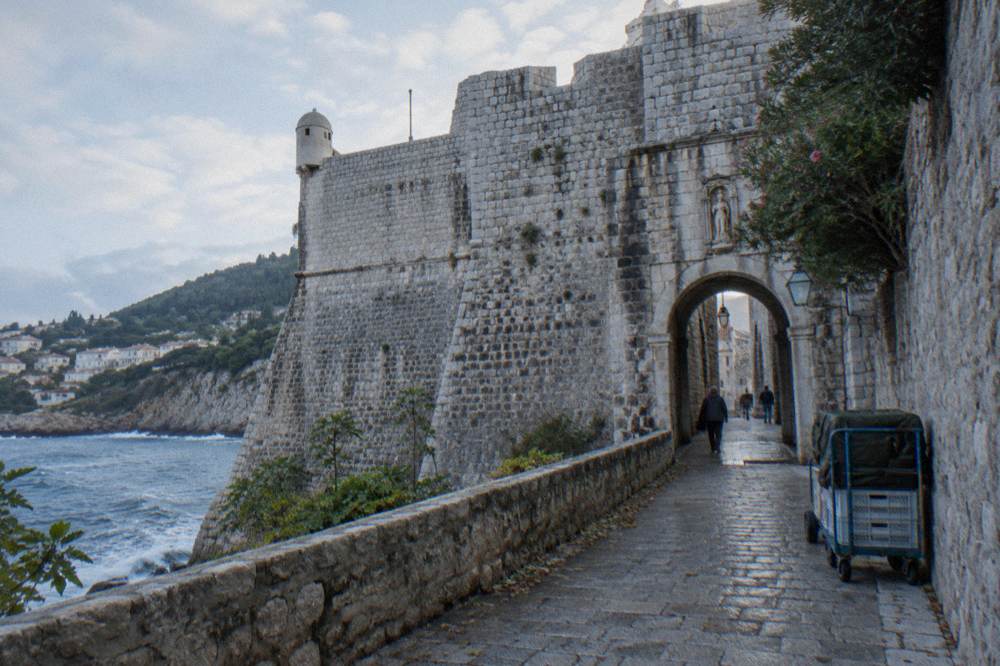
The Pearl of the Adriatic Walk meets at Pile Gate, runs in English and lasts 1 hour 45 minutes. Its review pool dwarfs the others, 5,844 reviews at 4.92 out of 5, all left on GuruWalk for a walk that costs nothing to join and runs pay what you want. That is the strongest evidence available that the walk earns its keep.
For the same free, pay-what-you-want price, the Ancient Old City walk also meets at Pile Gate and runs 1 hour 45 minutes in English, rated 4.85 out of 5 across 2,294 GuruWalk reviews. The Free Spirit Local Stories Walk meets at Orlando's Column instead, rated 4.94 out of 5 across 2,029 reviews, and the Game of Thrones combo walk, 2 hours from the Amerling Fountain, mixes the city's history with its screen fame at 4.92 out of 5 across 781 reviews.
The Essential free tour of the old town with local guides runs in Spanish from Ploče Gate, and the Free tour of the OLD TOWN with a LOCAL guide runs in Spanish from Pile Gate, so English-speaking visitors should look to the English-language walks on GuruWalk instead. At the small end of the pool, the City Walls walk from Ploče Gate holds a 5 out of 5 rating across 55 GuruWalk reviews, and Hidden Dubrovnik from Onofrio's Fountain has no reviews yet, which is stated as it is: a new listing with no rating shown.
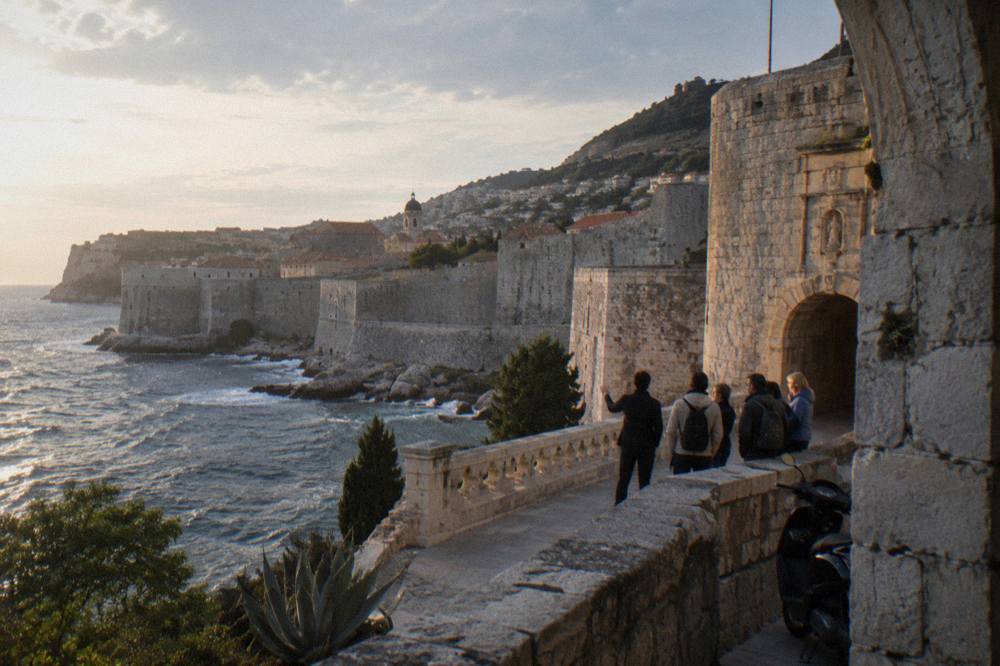
The tipping question has its own answer, and the how much to tip on a free walking tour post covers it fully. What can be said here is the mechanic itself: the walk is free to join, and the walker decides what to give the guide, with no amount stated by the listing or by this site.
Mistakes That Trip People Up At Dubrovnik Prices
The commonest mistakes are treating the walls as free or Lovrijenac as a free add-on, expecting a winter Dubrovnik Pass, assuming the beaches charge, and calling the Advent concerts free. The walls and Fort Lovrijenac are one EUR 40 ticket in main season, the pass has no winter version, the beaches are public, and no official page states an Advent entry fee. Each mistake quietly moves money in the wrong direction.
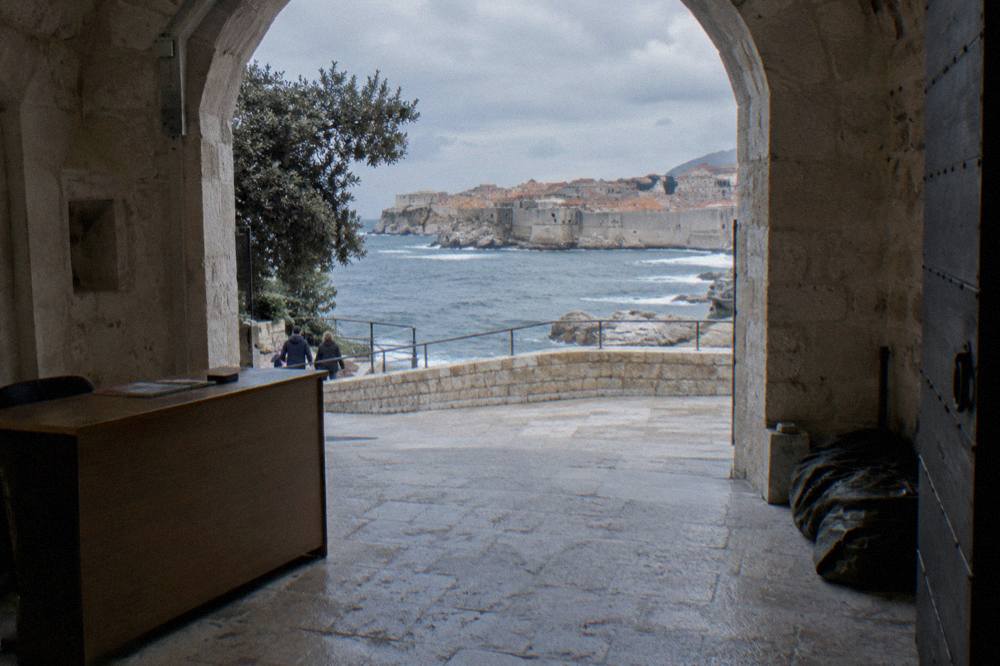
The first mistake is the walls. Walking beneath the walls is free; walking on them is EUR 40 in the main season, EUR 20 in December and the winter months, and the fort is inside that same ticket, not a bonus beside it. The walk titled Walk The Walls Of Dubrovnik is a free GuruWalk walk, and nothing in its listing says it includes the walls circuit or waives the ticket, so do not book it expecting a free climb.
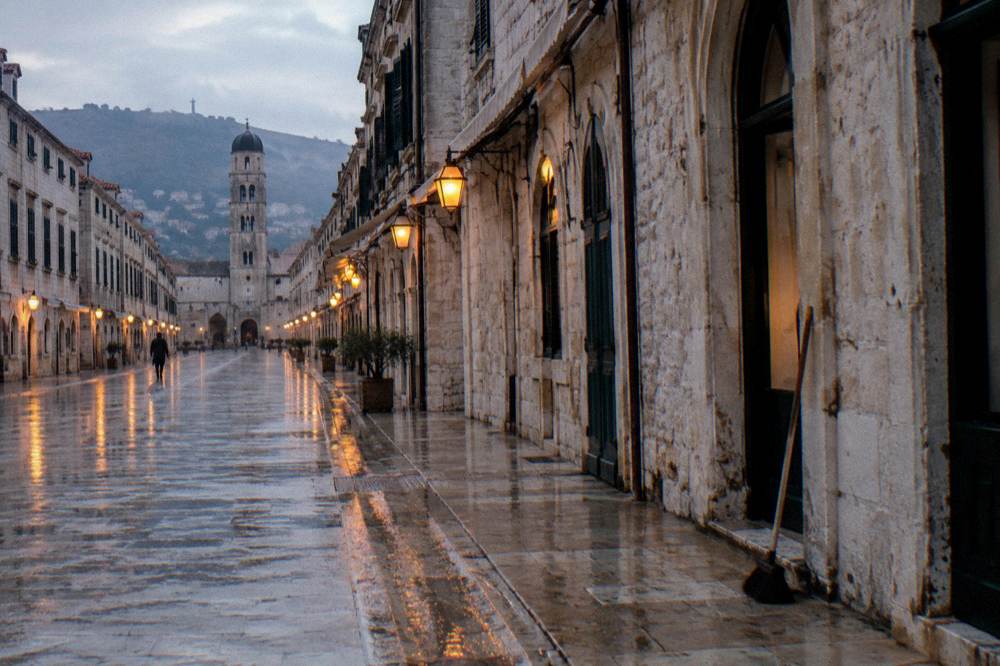
The second is the pass in winter. The EUR 40 one-day pass is a fair main-season bundle against an EUR 40 walls ticket. From December the walls ticket halves and the pass disappears from sale, so the pass is never a winter saving. The third is the beach mistake: swimming at Banje is free, the public strips at Sveti Jakov, Danče, Bellevue, Copacabana and Uvala Lapad are free, and only the sunbeds and loungers charge.
The fourth is calling things free that have no stated price. Advent in Dubrovnik runs 28 November 2026 to 3 January 2027, with the main concert programme on Stradun; the official page states no entry fee either way, so do not count the concerts as free. The same discipline applies to the Summer Festival, where most performances are ticketed, and to museum interiors: the Franciscan church has no listed fee while the cloister beside it charges EUR 8, two separate doors with two separate answers.
Common Questions On This Topic
Is Dubrovnik Expensive?
At its paid icons, yes: the walls ticket is EUR 40 per adult in the 1 March to 30 November season, the cable car is EUR 30 return and Lokrum is EUR 30 per person. The streets, squares, beaches and Srđ trail are free, and every walking tour on the city's GuruWalk list is free, pay what you want. The bill depends on how many of the big tickets you buy.
How Much Is The City Walls Ticket?
EUR 40 for an adult and EUR 15 for a child aged 7 to 18 from 1 March to 30 November 2026, including Fort Lovrijenac, with one tour and no re-entry. From 1 December 2026 the adult price drops to EUR 20 and the child price to EUR 5. Children under 7 do not pay. 2027 prices are not on sale yet.
Is The Dubrovnik Pass Worth It?
In the 1 March to 30 November season the one-day pass costs EUR 40, the same as the walls ticket alone, and adds ten sights and buses. The three-day version is EUR 50 and the seven-day EUR 60. No winter pass is on sale, and from December the walls ticket falls to EUR 20, so the pass is never a winter saving.
Are The Beaches In Dubrovnik Free?
Yes. Swimming at Banje Beach is free, and Sveti Jakov, Danče and Bellevue are free beaches. Copacabana and the Uvala Lapad beaches have free shore access. What costs money is equipment: a sunbed at Banje Beach Club is EUR 30, an umbrella EUR 10 and a towel EUR 5.
Can You Visit Dubrovnik Without Paying For Attractions?
Yes. Stradun, Pile Gate, Ploče Gate, Luža Square, the Onofrio fountains, the Old Port, the Jesuit staircase, Gradac Park and the Lapad promenade are all free, and the Srđ zig-zag trail is a free walk up the hill. A free, pay-what-you-want walking tour on GuruWalk adds a guide's commentary at no fixed price.
Do Prices Drop In Winter?
The walls ticket drops to EUR 20 per adult from 1 December 2026 through January and February. The museums keep their EUR 5 to EUR 15 prices but switch to winter hours with different closing days. The cable car closes December to March, as do War Photo Limited and the Western Outer Wall. No winter Dubrovnik Pass is on sale.